

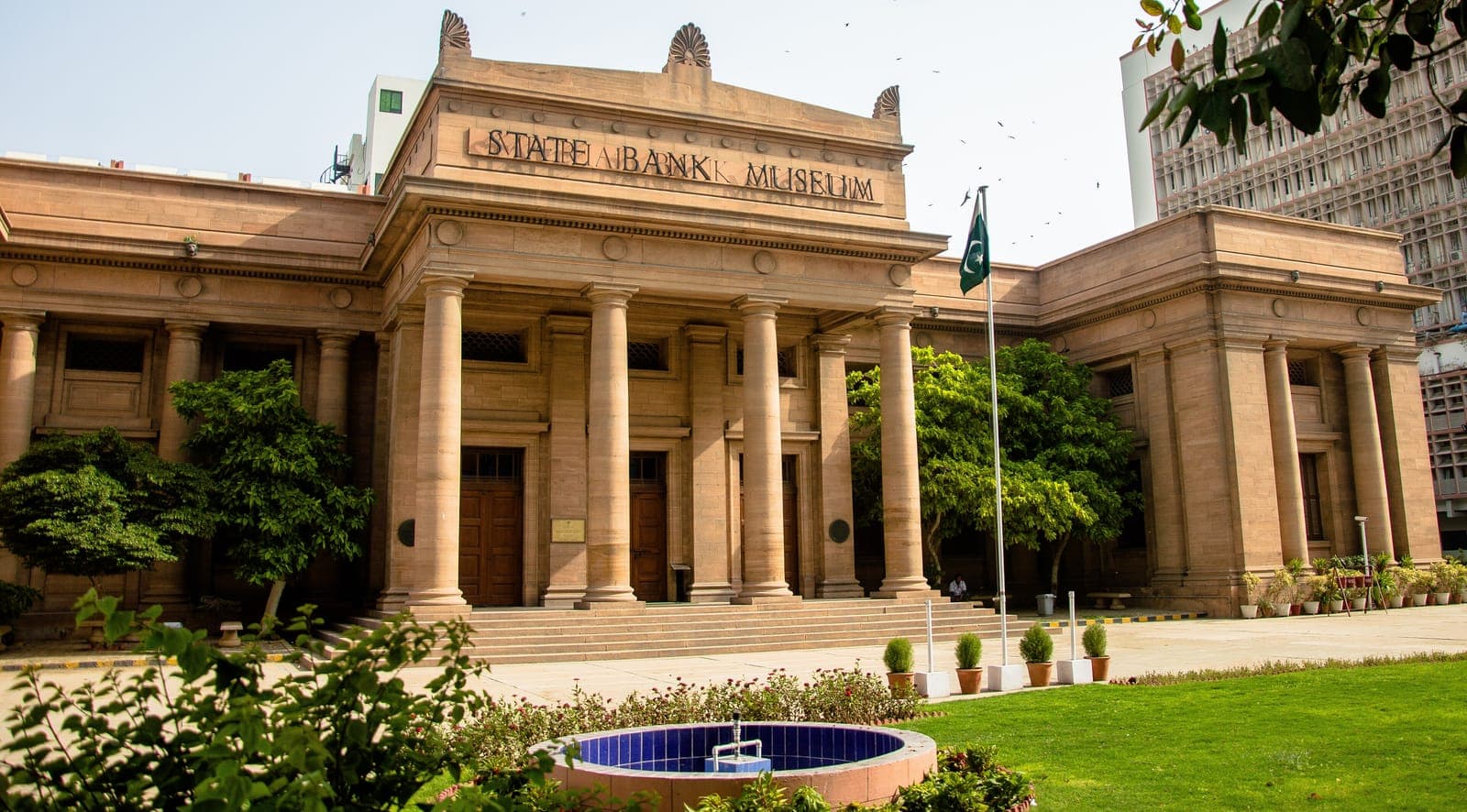
Roshan Digital Account
Open a Pakistani bank account online from abroad and invest in Pakistan
- Opened fully online from abroad
- Foreign-currency or rupee account
- Funds repatriable without prior approval
- Gateway to certificates, shares and property
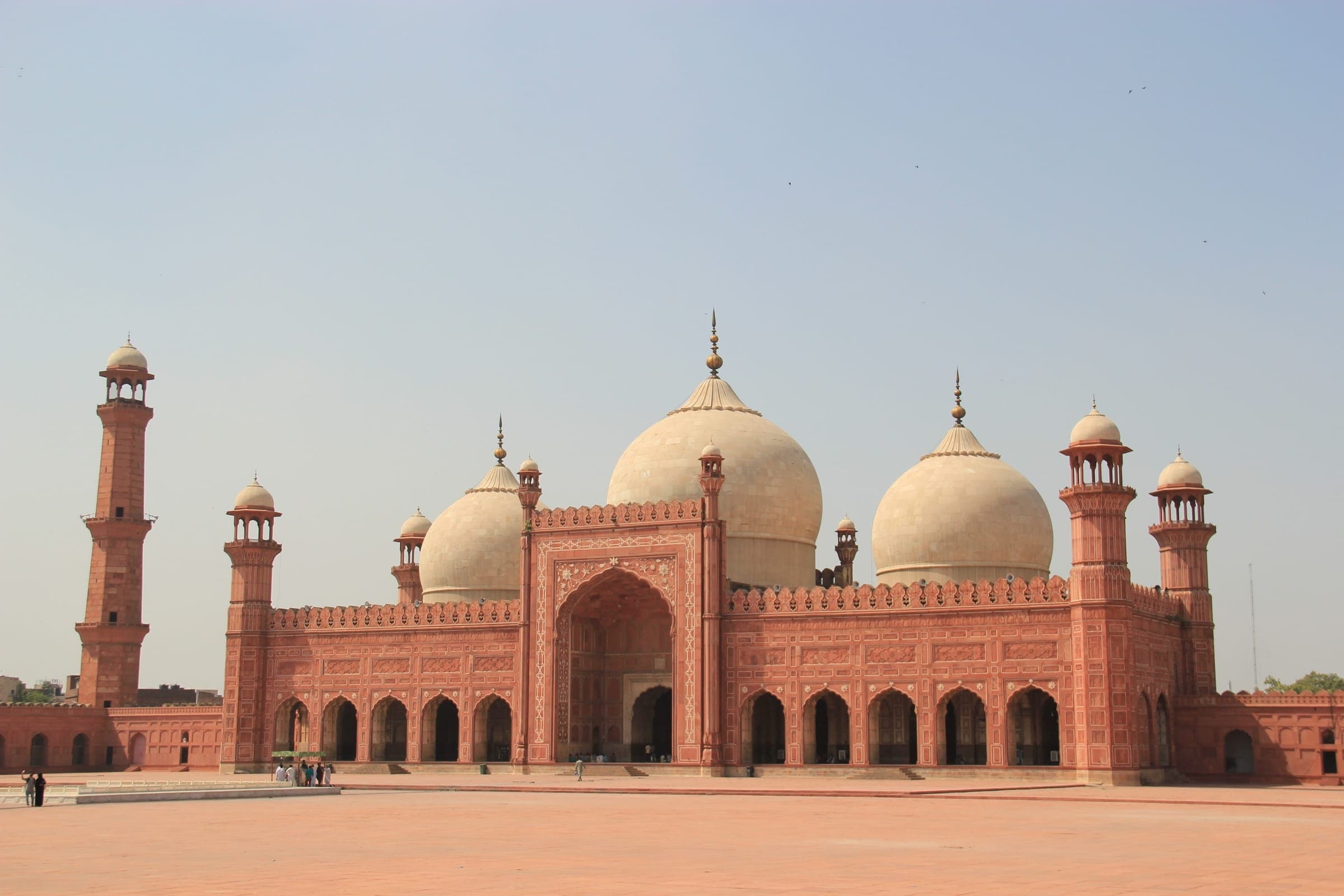
 Pakistan
Seven routes for overseas Pakistanis and foreign investors to bank, invest, set up a business or live in Pakistan — with requirements and fees checked against official Government of Pakistan sources.
Under legal review
This guide is being reviewed by a lawyer qualified in Pakistan. Rules and fees were checked against official Government of Pakistan sources (SBP, NADRA, the Ministry of Interior, BOI, the SECP and the FBR) on 19 October 2026, but please confirm the details for your situation with an advisor before acting on them.Visa & investment programs
Seven routes for overseas Pakistanis, people of Pakistani origin and foreign investors. Open any route for its complete, source-referenced details.
Open a Pakistani bank account online from abroad and invest in Pakistan

Government of Pakistan savings certificates bought through a Roshan Digital Account

Visa-free entry and stay for foreign nationals of Pakistani origin and foreign spouses

The identity card for Pakistani citizens living abroad, including dual nationals

Investment-linked residence of 5, 7 or 10 years for foreign investors and their families
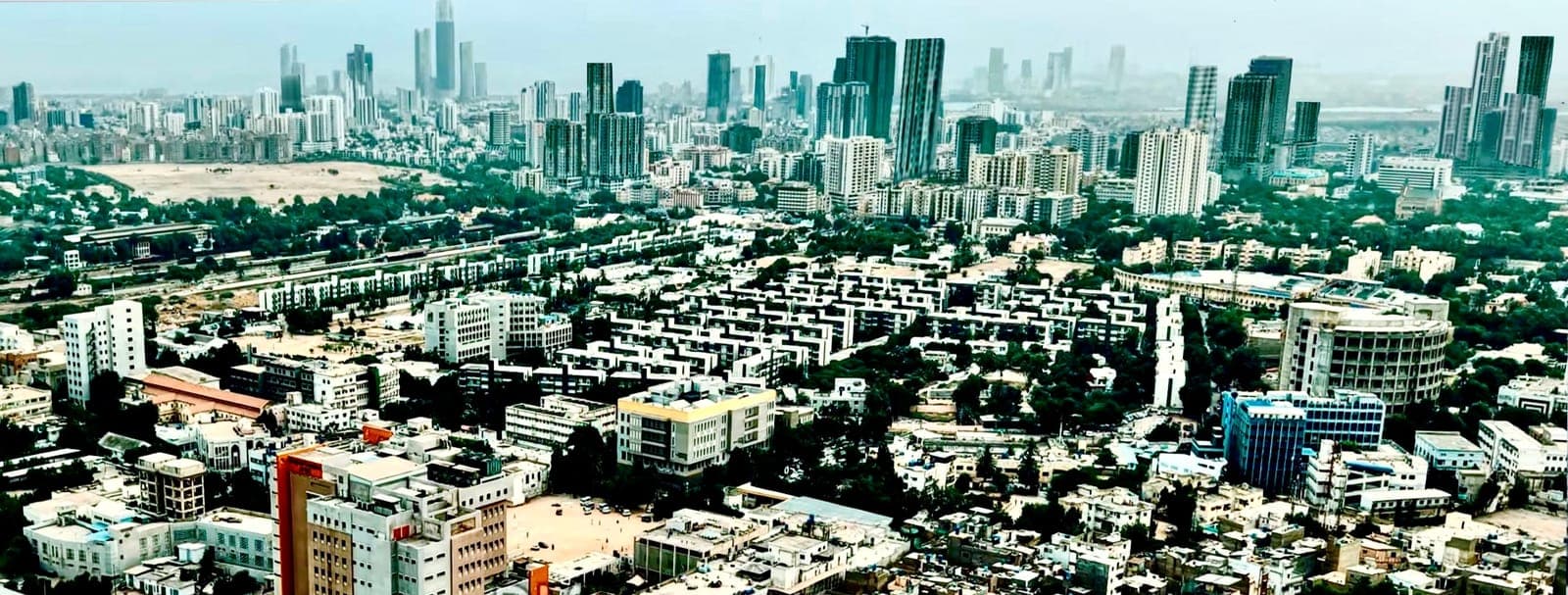
Online business or investor visa for foreign nationals, up to five years multiple entry

Register a company with the SECP and invest under Pakistan’s open investment regime

Online accounts and government certificates for non-residents, visa-free entry for Pakistan Origin Card holders, investment-linked Long Term Residency and most sectors open to 100% foreign ownership.
Understand your options
The right route depends on whether you are a Pakistani citizen, of Pakistani origin or a foreign national, and whether you want to bank, invest, run a business or live in Pakistan. None of them is citizenship by investment.
Banking & savings
State Bank of Pakistan schemes that let non-residents open a Pakistani account online, invest in government certificates, shares and property, and repatriate funds. They are financial products, not residence status.
Identity & residence
NADRA identity cards for Pakistani citizens abroad (NICOP) and for foreign nationals of Pakistani origin and foreign spouses (POC), and the Board of Investment’s investment-linked Long Term Residency for foreign investors. None of them is a route to buy citizenship.
Business & investment
Business and investor visas through the Pakistan Online Visa System, and company registration with the SECP under Pakistan’s open foreign-investment regime. Visas allow entry and stay as permitted; a company gives no residence right by itself.
Side by side
Filter by what matters to you. Processing figures are shown only where an official source publishes them.
Showing 7 of 7 programs
| Program | Classification | Investment | Key requirements | Residence rights | Family | Processing (verified) |
|---|---|---|---|---|---|---|
| RDARoshan Digital Account | Banking & savings | No SBP minimum | Non-residents, POC holders, eligible foreigners | Not a residence route | Individual or joint accounts | Within 2 working days of complete application (SBP) |
| NPCNaya Pakistan Certificates | Banking & savings | Bank-set minimum; USD/GBP/EUR/PKR/SAR/AED | RDA holders (overseas Pakistanis) | Not a residence route | Individual holdings | Online via RDA bank |
| POCPakistan Origin Card (POC) | Identity & residence | None; card fee from US$150 | Pakistani origin or foreign spouse | Visa-free entry and stay while the card is valid (not citizenship) | Spouse and dependants apply separately | About 9–31 days by tier (NADRA) |
| NICOPNICOP for Overseas Pakistanis | Identity & residence | None; card fee from US$20 | Pakistani citizens abroad | Confirms citizenship – no new status | Each citizen family member applies | About 9–31 days by tier (NADRA) |
| LTRLong Term Residency (LTR) for Foreign Investors | Identity & residence | From US$50,000; tiers US$300k–700k | Foreign investors; security clearance | 5, 7 or 10-year residence (check that applications are open) | Up to 7: spouse, children <25, parents | Clearances 4–6 weeks (BOI) |
| Investor visaBusiness & Investor Visa | Business & investment | Long-term: US$50,000+ (US$100,000+ property) | Business purpose or investment | Visa only (up to 5 years, multiple entry) | Separate visas | 24 hours–10 days for BVL (NADRA) |
| Company & FDICompany Registration & Foreign Direct Investment | Business & investment | No general minimum capital | Any nationality; security clearance | Not a residence route | No residence for family | 2–3 working days (SECP) |
Program details
Choose a route to see its overview, investment and eligibility rules, benefits, family options, documents, process, official fees, residence position, legal considerations and FAQs.
Program 1 of 7
Open a Pakistani bank account online from abroad and invest in Pakistan
The Roshan Digital Account (RDA) is a State Bank of Pakistan (SBP) initiative that lets non-resident Pakistanis and other eligible persons open a bank account in Pakistan through a participating bank’s online channel, without visiting a branch or embassy. It can be held as a Foreign Currency Value Account (FCVA) or a Non-Resident Rupee Value Account (NRVA) and used for payments in Pakistan and for investment in Naya Pakistan Certificates, government securities, listed shares and property.
Purpose: To give overseas Pakistanis and other non-residents a simple, digital way to bank and invest in Pakistan through formal banking channels.
Classification: Bank account scheme of the State Bank of Pakistan, offered by designated commercial and Islamic banks under SBP’s foreign-exchange regulations (Foreign Exchange Manual) and the Foreign Exchange Regulation Act, 1947. It is a banking product, not a visa or residence status.
Business ownership: The account is in your own name (or joint names under SBP rules). Investments bought through it are held in your name.
Nationality requirements
Overseas Pakistanis (with a passport, NICOP or CNIC) and foreign nationals of Pakistani origin with a POC are the main users. SBP also lists foreign nationals and foreign companies as eligible. SBP’s 25 September 2026 press release states that the scheme’s scope has been expanded to foreign investors and to Pakistani residents with declared foreign assets; confirm the documents your bank now accepts.
The exact evidence depends on your case and the current form instructions. Documents in other languages need certified English translations.
Choose a participating bank
Pick one of the banks offering Roshan Digital Accounts (listed by SBP) and open its RDA online channel or app.
Apply online
Fill in the digital application, choose a foreign-currency or rupee account, and upload your identity and residence documents.
Due diligence
The bank verifies your identity and information. SBP’s RDA FAQ states that the account is to be opened within two working days of a complete application.
Fund the account
Send money from your overseas bank account through banking channels.
Invest if you wish
Use the account for Naya Pakistan Certificates, shares, mutual funds, government securities or property, each under its own rules and tax treatment.
| Fee | Amount (US$ or %) |
|---|---|
| Account opening (SBP)Banks set their own account and transfer charges; check your bank’s schedule of charges. | No SBP fee published |
| Tax on profit on rupee deposits in an NRVASBP’s RDA FAQ states that profit on RDA deposits is tax-exempt, with no withholding tax and no return needed for this profit. Confirm the current treatment with the FBR. | Exempt |
| Tax on profit on federal government debt bought through an NRVA/FCVADeducted at source under section 152(1DA) for Federal Government instruments bought through FCVA/NRVA accounts, as substituted by the Finance Act 2026 (FBR Circular No. 2 of 2026-27). | 10% |
SBP does not charge for the account; participating banks publish their own charges. Tax applies to investments made through the account (shares, property, certificates) under their own rules. Taxes are set each year by the Finance Act; confirm the current treatment with the FBR or a tax adviser.
Source: FAQs – Roshan Digital Account — State Bank of Pakistan (SBP) (opens in a new tab) · verified 19 October 2026
No. This is a banking or investment product, not an immigration status. It gives no right to enter or live in Pakistan. Overseas Pakistanis who are citizens already have the right to live in Pakistan; foreign nationals need a visa, a Pakistan Origin Card (if eligible) or Long Term Residency.
General information verified against official Government of Pakistan sources on 19 October 2026. It is not legal or tax advice and approval is never guaranteed; have your case reviewed by a lawyer qualified in Pakistan before you apply or invest.
No. The account is opened through the participating bank’s online channel. Resident Pakistanis with foreign assets may be asked to visit a branch; check with your bank.
Yes. SBP states that funds in the account, including profit on investments, can be remitted abroad without prior approval of the bank or SBP.
SBP lists foreign nationals and foreign companies that are non-resident under the Income Tax Ordinance as eligible, and in September 2026 said the scope had been expanded to foreign investors. Confirm the documents with your chosen bank.
Last legally verified: 19 October 2026.
Program 2 of 7
Government of Pakistan savings certificates bought through a Roshan Digital Account
Naya Pakistan Certificates (NPCs) are sovereign savings instruments issued by the Government of Pakistan for overseas Pakistanis and resident Pakistanis with declared assets abroad. They are bought only through a Roshan Digital Account and are available in US dollars, pounds sterling, euros and Pakistani rupees (SBP’s current rate table also lists Saudi riyal and UAE dirham certificates), in conventional and Islamic (Shariah-compliant) form.
Purpose: To offer non-resident Pakistanis a government-issued savings instrument in Pakistan, funded through formal banking channels.
Classification: Government of Pakistan debt instruments, administered by the State Bank of Pakistan and sold through Roshan Digital Account banks. Profit is taxed at 10% at source as a final tax for non-residents (FBR). It is a savings product, not an immigration status.
Business ownership: Certificates are held in the investor’s name through the Roshan Digital Account.
Nationality requirements
Designed for Pakistani citizens living abroad and for resident Pakistanis with declared foreign assets. The FBR has stated that the concessionary 10% final tax applies to non-residents; residents should take tax advice.
The exact evidence depends on your case and the current form instructions. Documents in other languages need certified English translations.
Open a Roshan Digital Account
Open an RDA with a participating bank (see the Roshan Digital Account route).
Check current rates
Compare tenors, currencies and rates on SBP’s Naya Pakistan Certificate page.
Place the order
Buy the certificates through your bank’s RDA online channel.
Receive profit
Profit is paid to your RDA, after 10% tax deducted at source.
Maturity or encashment
At maturity the principal returns to your RDA and can be reinvested or remitted abroad.
| Fee | Amount (US$ or %) |
|---|---|
| Withholding tax on profitDeducted at source; full and final discharge of tax on the profit, with no tax return needed solely for this profit (SBP, FBR). | 10% (final) |
| Bank chargesAsk your RDA bank about any purchase, encashment or transfer charges. | Set by your bank |
The principal is not taxed. The 10% final tax on profit is stated by SBP and the FBR; the FBR has said the concessionary regime applies to non-residents. Rates of return are published by SBP and change from time to time.
Source: Naya Pakistan Certificate — State Bank of Pakistan (SBP) (opens in a new tab) · verified 19 October 2026
No. This is a banking or investment product, not an immigration status. It gives no right to enter or live in Pakistan. Overseas Pakistanis who are citizens already have the right to live in Pakistan; foreign nationals need a visa, a Pakistan Origin Card (if eligible) or Long Term Residency.
General information verified against official Government of Pakistan sources on 19 October 2026. It is not legal or tax advice and approval is never guaranteed; have your case reviewed by a lawyer qualified in Pakistan before you apply or invest.
No. SBP states that Naya Pakistan Certificates can only be bought through a Roshan Digital Account.
Profit is taxed at 10% at source as a final tax, and non-residents do not need to file a return solely for this profit (SBP and FBR). The principal is not taxed.
Yes. Profit is then calculated at the rate for the nearest shorter tenor.
Last legally verified: 19 October 2026.
Program 3 of 7
Visa-free entry and stay for foreign nationals of Pakistani origin and foreign spouses
The Pakistan Origin Card (POC) is an identity card issued by NADRA to foreign nationals of Pakistani origin — former Pakistani citizens and people with a Pakistani parent or grandparent — and to foreign spouses of Pakistanis. Under the Application for Pakistan Origin Card Regulations, 2025, a valid POC holder can enter Pakistan without a visa, stay for the validity of the card, open bank accounts, buy and sell property and seek employment or business, subject to law.
Purpose: To let people of Pakistani origin who hold another nationality, and foreign spouses of Pakistanis, live in, visit and invest in Pakistan without visas.
Classification: Identity document under section 11 of the National Database and Registration Authority Ordinance, 2000, governed by the Application for Pakistan Origin Card Regulations, 2025 (S.R.O. 2187(I)/2025, published in the Gazette of Pakistan on 20 November 2025). It is not Pakistani citizenship.
Business ownership: POC holders may purchase, hold and dispose of movable and immovable property in Pakistan, subject to applicable law (POC Regulations 2025). Provincial land rules and registration requirements still apply.
Nationality requirements
Not available to citizens of India, Israel, Bangladesh or any state not recognised by Pakistan, and not where the parents hold those nationalities (POC Regulations 2025 and NADRA). Citizens of countries with dual-nationality arrangements with Pakistan can usually keep or regain Pakistani citizenship and hold a NICOP instead.
The exact evidence depends on your case and the current form instructions. Documents in other languages need certified English translations.
Confirm your category
Check the eligible categories and required documents on NADRA’s POC page.
Apply
Apply online through the Pak-ID website or app, at a Pakistani mission with NADRA services abroad, or at a NADRA centre in Pakistan.
Verification
NADRA verifies your family link through its records and may ask for attestation by a family member who holds a CNIC or NICOP.
Pay the fee
Choose normal, urgent or executive processing and pay the fee shown.
Receive the card
The Smart POC is delivered to you; it is used with your foreign passport for visa-free entry.
| Fee | Amount (US$ or %) |
|---|---|
| New Smart POC – normalNADRA lists about 31 days after fee payment. | US$150 |
| New Smart POC – urgentAbout 23 days. | US$200 |
| New Smart POC – executiveAbout 9 days. NADRA’s 2024 services charter showed US$200 for executive; the fee page now shows US$250. | US$250 |
| RenewalNormal / urgent / executive. | US$150 / 200 / 250 |
| Modification or duplicateNormal / urgent / executive. | US$200 / 250 / 300 |
Fees as shown on NADRA’s fee structure page, verified 19 October 2026. NADRA states that fees are charged in PKR after currency conversion where paid in Pakistan; missions may add their own charges. Confirm the amount shown at payment.
Source: Fee Structure — NADRA (opens in a new tab) · verified 19 October 2026
Yes, in the sense used on this page: a valid POC lets you enter Pakistan without a visa, as often as you wish, and stay for as long as the card is valid, without police or foreigner registration. It is not citizenship and gives no political rights. Former Pakistani citizens and spouses may separately be eligible to resume or acquire Pakistani citizenship under the Pakistan Citizenship Act, 1951; ask DGI&P.
General information verified against official Government of Pakistan sources on 19 October 2026. It is not legal or tax advice and approval is never guaranteed; have your case reviewed by a lawyer qualified in Pakistan before you apply or invest.
No. The POC Regulations 2025 allow a valid POC holder to enter Pakistan without a visa, on the same conditions as citizens, and stay for the card’s validity. Travel with the POC and your foreign passport.
Yes, a foreign spouse of a Pakistani citizen or of a person of Pakistani origin can apply, unless they are a citizen of an excluded state. Spouse-based cards are valid for five years.
No. Pakistan has dual-nationality arrangements with 22 countries (DGI&P). Citizens of those countries may keep Pakistani citizenship and hold a NICOP. The POC is for those who are not Pakistani citizens.
Last legally verified: 19 October 2026.
Program 4 of 7
The identity card for Pakistani citizens living abroad, including dual nationals
The National Identity Card for Overseas Pakistanis (NICOP) is issued by NADRA under section 12 of the NADRA Ordinance, 2000 to Pakistani citizens living or working abroad, including dual nationals of countries with which Pakistan has dual-nationality arrangements. It works like the CNIC and is widely used for banking (including Roshan Digital Accounts), property transactions and the overseas tax concessions.
Purpose: To give Pakistani citizens abroad a recognised identity document for dealings in Pakistan and for travel to Pakistan.
Classification: National identity document under the National Database and Registration Authority Ordinance, 2000 and the NADRA (National Identity Card) Rules, 2002. It does not create a status: it records Pakistani citizenship.
Business ownership: As citizens, NICOP holders can buy, own and sell property in Pakistan. Non-resident NICOP holders can pay advance tax on property at the filer rate under conditions set by the FBR.
Nationality requirements
Only for Pakistani citizens. A Pakistani who acquires the nationality of a country without a dual-nationality arrangement generally has to renounce Pakistani citizenship (DGI&P) and may then apply for a Pakistan Origin Card instead.
The exact evidence depends on your case and the current form instructions. Documents in other languages need certified English translations.
Start on Pak-ID
Apply on the Pak-ID website or app (fresh, renewal, modification or reprint), or at a Pakistani mission or NADRA centre.
Upload documents
Upload your documents and capture photograph and fingerprints as instructed.
Pay the fee
Pay the zone-based fee for normal, urgent or executive processing.
Verification
NADRA verifies your record and family tree; a relative may be asked to attest.
Delivery
The Smart NICOP is delivered to your address abroad or collected.
| Fee | Amount (US$ or %) |
|---|---|
| Smart NICOP – Zone A (USA and Europe)Normal / urgent / executive; same for new, renewal, modification and duplicate (NADRA fee page). | US$39 / 57 / 75 |
| Smart NICOP – Zone B (Middle East and Africa)Normal / urgent / executive. | US$20 / 30 / 40 |
| Other countriesNADRA publishes fees by zone; confirm the zone for your country of residence. | See NADRA fee page |
Fees as shown on NADRA’s fee structure page, verified 19 October 2026. NADRA’s 2024 services charter listed lower amounts, so confirm the fee shown on Pak-ID at payment.
Source: Fee Structure — NADRA (opens in a new tab) · verified 19 October 2026
Not applicable: NICOP holders are Pakistani citizens and already have the right to live in Pakistan. NICOP is the identity document that proves this. Non-resident NICOP holders also benefit from overseas concessions, such as paying the filer rate of advance tax on property under conditions set by the FBR.
General information verified against official Government of Pakistan sources on 19 October 2026. It is not legal or tax advice and approval is never guaranteed; have your case reviewed by a lawyer qualified in Pakistan before you apply or invest.
Not necessarily. SBP accepts a Pakistani passport, NICOP or CNIC for non-resident Pakistanis, and a POC for foreign nationals of Pakistani origin.
Yes. The UK is one of the 22 countries with which Pakistan has dual-nationality arrangements (DGI&P), so you can keep Pakistani citizenship and hold a NICOP.
Yes. The FBR allows non-resident NICOP and POC holders to pay advance tax on property at the filer rate even if they are not on the Active Taxpayers List, subject to conditions and verification.
Last legally verified: 19 October 2026.
Program 5 of 7
Investment-linked residence of 5, 7 or 10 years for foreign investors and their families
Long Term Residency (LTR) is a Government of Pakistan scheme under the Foreigners (Long Term Residency) Order, 2025, managed by the Board of Investment (BOI). It grants foreign investors and their families residence in Pakistan for 5, 7 or 10 years, linked to the materialisation of an investment in Pakistan. When the BOI pages were checked, they stated that the LTR digital portal ‘will go live soon’, so confirm with BOI that applications are being accepted before you plan around it.
Purpose: To attract foreign direct investment by giving investors and their families stable, long-term residence in Pakistan.
Classification: Investment-linked long-term residence under the Foreigners (Long Term Residency) Order, 2025, with clearances by BOI, the Ministry of Interior and security agencies, and an LTR identity card issued by NADRA. It is residence, not citizenship.
Business ownership: BOI states that LTR holders may lease or acquire land for approved investment projects (subject to law), invest in Special Economic Zones and start businesses. Purchase of a home on its own is not listed as a qualifying investment.
Nationality requirements
For foreign nationals. Overseas Pakistanis who are citizens do not need it; foreign nationals of Pakistani origin may find the Pakistan Origin Card simpler. BOI states that eligibility is limited to nationals of recognised countries, subject to security clearance.
The exact evidence depends on your case and the current form instructions. Documents in other languages need certified English translations.
Check that the portal is open
Check BOI’s LTR page for the portal launch, application guidelines and timelines.
Apply to BOI
Submit the application and investment proposal through BOI’s LTR digital portal.
Clearances
BOI, the Ministry of Interior and security agencies carry out clearances; BOI states 4–6 weeks.
Invest
Materialise the investment through authorised banking channels within one year of approval.
LTR card
NADRA issues the LTR card to you and your dependants as proof of residence status.
| Fee | Amount (US$ or %) |
|---|---|
| Application feeNo separate application fee was found on the BOI pages; check the portal when it opens. | Not published |
| RenewalThe BOI FAQ states that LTR can be renewed annually by paying US$50,000. Confirm whether this is a fee or an additional investment. | US$50,000 (as stated by BOI) |
Amounts as stated on the BOI LTR pages, verified 19 October 2026. The scheme was still awaiting its digital portal when checked, and the rules may be clarified when it opens. Confirm all amounts with BOI.
Source: FAQs on Long Term Residency (LTR) in Pakistan — Board of Investment (BOI) (opens in a new tab) · verified 19 October 2026
Yes, in the sense used on this page: LTR itself grants 5, 7 or 10 years of residence in Pakistan, renewable. It is not citizenship. Naturalisation as a Pakistani citizen is a separate, discretionary process under the Naturalization Act, 1926 and the Pakistan Citizenship Act, 1951, handled by the Ministry of Interior (DGI&P).
General information verified against official Government of Pakistan sources on 19 October 2026. It is not legal or tax advice and approval is never guaranteed; have your case reviewed by a lawyer qualified in Pakistan before you apply or invest.
The Board of Investment published the scheme and its FAQs, but when checked on 19 October 2026 its page said the LTR digital portal ‘will go live soon’. Check BOI’s LTR page before applying.
Yes. BOI states that the main applicant may include up to seven dependants: spouse, children under 25 and parents.
BOI does not list buying a home as a qualifying investment. It refers to investment through banking channels in businesses, projects and SEZs, with land for approved projects.
Last legally verified: 19 October 2026.
Program 6 of 7
Online business or investor visa for foreign nationals, up to five years multiple entry
Foreign businesspeople and investors visit Pakistan on business or investor visas issued through the Pakistan Online Visa System, run by the Ministry of Interior with NADRA. Short-term business/investor visas (1 or 3 years) need a business invitation or recommendation; the long-term investor entry visa (5 years, multiple entries) needs proof of investment in Pakistan, such as a company or partnership investment of at least US$50,000 or real estate worth more than US$100,000.
Purpose: To let foreign investors and businesspeople travel to Pakistan to set up, manage and grow businesses and investments.
Classification: Entry visa issued by the Ministry of Interior (Directorate General of Immigration & Passports) through the Pakistan Online Visa System. It is a visa, not residence status. Special categories exist for investors referred by the Special Investment Facilitation Council (SIFC) and for CPEC-related business.
Business ownership: The visa does not itself confer property rights. Foreign nationals can own land through a company incorporated with the SECP, or individually with the permission of the Federal Government (Ministry of Interior) and the provincial government (BOI FAQ).
Nationality requirements
The NADRA visa portal states that nationals of both BVL and non-BVL countries can apply if they meet the requirements. Special rules apply to some nationalities (for example Indian nationals, who apply under a separate policy). Overseas Pakistanis who are citizens do not need a visa; foreign nationals of Pakistani origin can use a Pakistan Origin Card or family visit visa.
The exact evidence depends on your case and the current form instructions. Documents in other languages need certified English translations.
Choose the category
Pick business, investor or SIFC investor on the Pakistan Online Visa System.
Prepare the invitation or proof
Get the invitation letter or recommendation, and for the long-term visa the evidence of investment.
Apply online
Create an account at visa.nadra.gov.pk, upload documents and pay any fee shown.
Decision
The visa is issued electronically. Nationals of listed countries can instead obtain an ETA and receive a business visa on arrival.
Extend if needed
Apply to the Ministry of Interior for an extension before the visa expires.
| Fee | Amount (US$ or %) |
|---|---|
| Visa Prior to Arrival (business, tourist) for listed countriesThe Pakistan Online Visa System states that citizens of the listed eligible countries (120 on its page) can obtain business, tourist and Sikh pilgrim visas within 24 hours without fee. Citizens of the six GCC countries are exempt from the visa requirement for these categories. | Free |
Pakistan’s visa fees depend on your nationality, visa type and reciprocity, and official pages of different dates show different amounts. Always rely on the fee shown in the Pakistan Online Visa System when you apply.
Source: Business – Investor Visa — Pakistan Online Visa System (opens in a new tab) · verified 19 October 2026
No. A business or investor visa allows visits and stays as permitted by the visa; it is not residence status. Investors seeking long-term residence should look at the Long Term Residency (LTR) scheme; foreign nationals of Pakistani origin can use the Pakistan Origin Card.
General information verified against official Government of Pakistan sources on 19 October 2026. It is not legal or tax advice and approval is never guaranteed; have your case reviewed by a lawyer qualified in Pakistan before you apply or invest.
Only the Pakistan Online Visa System at visa.nadra.gov.pk. The Government of Pakistan states that it has no other official visa website.
Nationals of listed countries can obtain an Electronic Travel Authorization (ETA) online and receive a business visa on arrival. The ETA is not a visa; it authorises you to travel and seek the visa at the FIA counter.
The NADRA portal lists real estate worth more than US$100,000, or at least US$50,000 invested in a Pakistani company or partnership, held in a foreign-currency account in Pakistan, or in other investment.
Last legally verified: 19 October 2026.
Program 7 of 7
Register a company with the SECP and invest under Pakistan’s open investment regime
Overseas Pakistanis and foreign investors can incorporate a company in Pakistan online with the Securities and Exchange Commission of Pakistan (SECP). Under Pakistan’s investment policy, all sectors are open to foreign investment unless specifically restricted, and 100% foreign ownership is generally allowed outside a short list of sectors (BOI). Foreign directors and subscribers go through a Ministry of Interior security clearance after or before incorporation, depending on nationality.
Purpose: To let investors set up and own businesses in Pakistan, with legal protection for foreign private investment and the right to repatriate profits and capital.
Classification: Company incorporation under the Companies Act, 2017 and the Companies Regulations, 2024 (SECP). Foreign investment is protected under the Foreign Private Investment (Promotion & Protection) Act, 1976, with foreign-exchange rules in SBP’s Foreign Exchange Manual. A company does not give its owners any visa or residence right.
Business ownership: 100% foreign ownership is allowed except in specified sectors (BOI lists, among others, airlines, banking, agriculture and media as restricted; arms, explosives, radioactive substances and currency minting are closed). Foreigners can own land after incorporating a company with the SECP; individually they need permission from the Ministry of Interior and the provincial government (BOI FAQ).
Nationality requirements
Open to all nationalities, subject to security clearance by the Ministry of Interior for foreign subscribers and officers. Under the Companies Regulations, 2024, companies with Indian nationals or persons of Indian origin among their foreign subscribers or officers are incorporated only after clearance; other foreign nationals can be incorporated on an undertaking and replaced if clearance is refused.
The exact evidence depends on your case and the current form instructions. Documents in other languages need certified English translations.
Reserve the name
Apply on SECP’s online services; a reserved name is held for 60 days.
File for incorporation
File the incorporation application online (or combined with the name), sign digitally and pay the SECP fee.
Security clearance
SECP refers foreign subscribers and officers to the Ministry of Interior.
Certificate and NTN
The digitally signed certificate of incorporation is emailed; data is shared with the FBR for the company’s NTN.
Bring in capital
Open a company bank account, remit the investment through banking channels and issue shares in line with SBP rules.
| Fee | Amount (US$ or %) |
|---|---|
| SECP incorporation feeCalculated with SECP’s incorporation fee calculator from the Seventh Schedule; online filing is cheaper than paper filing. Name reservation is charged separately. | Depends on nominal capital |
SECP fees are set in the Seventh Schedule to the Companies Act, 2017 and calculated on the nominal share capital; use the SECP fee calculator for the current amount. Legal, notarisation, legalisation and sector licensing costs are separate.
Source: SECP Turn Around Time — SECP (opens in a new tab) · verified 19 October 2026
No. Owning a Pakistani company gives no residence right. Foreign owners and managers need a business, investor or work visa, Long Term Residency or, if eligible, a Pakistan Origin Card.
General information verified against official Government of Pakistan sources on 19 October 2026. It is not legal or tax advice and approval is never guaranteed; have your case reviewed by a lawyer qualified in Pakistan before you apply or invest.
Yes in most sectors. BOI states that 100% foreign ownership is allowed except in specified sectors, and some activities are closed for security reasons.
Yes. The Foreign Private Investment (Promotion & Protection) Act, 1976 allows repatriation of profits, dividends and capital, subject to SBP foreign-exchange procedures and proof that the investment came through banking channels.
SECP publishes 2–3 working days after all requirements are met. Security clearance of foreign nationals is separate.
Last legally verified: 19 October 2026.
How it works
The main stages are similar across programs; timing and forms differ by route.
Initial consultation
Discuss your goals — banking, investing, a business or living in Pakistan — and your citizenship, family and documents with an advisor.
Status check
Confirm whether you are a Pakistani citizen (NICOP or CNIC), eligible for a Pakistan Origin Card, or a foreign national who needs a visa or Long Term Residency.
Identity documents
Obtain or renew your NICOP or POC through NADRA’s Pak-ID service, or prepare your passport and invitation for a visa application.
Banking
Open a Roshan Digital Account or company bank account and bring money in through formal banking channels so it can be repatriated later.
Invest or incorporate
Buy certificates, shares or property, register a company with the SECP, or submit an investment proposal to the Board of Investment.
Visa or residence
Apply on visa.nadra.gov.pk or through BOI’s Long Term Residency process; clearances are decided by the authorities and approval is never guaranteed.
Tax & compliance
Register with the FBR where required, file returns and annual company filings, and keep your cards, visa or residence valid.
Costs & fees
Fees and tax rates published by NADRA, the Pakistan Online Visa System, BOI, the SECP, SBP and the FBR, verified 19 October 2026. Bank charges, legal and professional costs are separate.
| Program | Fee | Amount (US$ or %) |
|---|---|---|
| RDA | Account opening (SBP)Banks set their own account and transfer charges; check your bank’s schedule of charges. | No SBP fee published |
| Tax on profit on rupee deposits in an NRVASBP’s RDA FAQ states that profit on RDA deposits is tax-exempt, with no withholding tax and no return needed for this profit. Confirm the current treatment with the FBR. | Exempt | |
| Tax on profit on federal government debt bought through an NRVA/FCVADeducted at source under section 152(1DA) for Federal Government instruments bought through FCVA/NRVA accounts, as substituted by the Finance Act 2026 (FBR Circular No. 2 of 2026-27). | 10% | |
| NPC | Withholding tax on profitDeducted at source; full and final discharge of tax on the profit, with no tax return needed solely for this profit (SBP, FBR). | 10% (final) |
| Bank chargesAsk your RDA bank about any purchase, encashment or transfer charges. | Set by your bank | |
| POC | New Smart POC – normalNADRA lists about 31 days after fee payment. | US$150 |
| New Smart POC – urgentAbout 23 days. | US$200 | |
| New Smart POC – executiveAbout 9 days. NADRA’s 2024 services charter showed US$200 for executive; the fee page now shows US$250. | US$250 | |
| RenewalNormal / urgent / executive. | US$150 / 200 / 250 | |
| Modification or duplicateNormal / urgent / executive. | US$200 / 250 / 300 | |
| NICOP | Smart NICOP – Zone A (USA and Europe)Normal / urgent / executive; same for new, renewal, modification and duplicate (NADRA fee page). | US$39 / 57 / 75 |
| Smart NICOP – Zone B (Middle East and Africa)Normal / urgent / executive. | US$20 / 30 / 40 | |
| Other countriesNADRA publishes fees by zone; confirm the zone for your country of residence. | See NADRA fee page | |
| LTR | Application feeNo separate application fee was found on the BOI pages; check the portal when it opens. | Not published |
| RenewalThe BOI FAQ states that LTR can be renewed annually by paying US$50,000. Confirm whether this is a fee or an additional investment. | US$50,000 (as stated by BOI) | |
| Investor visa | Visa Prior to Arrival (business, tourist) for listed countriesThe Pakistan Online Visa System states that citizens of the listed eligible countries (120 on its page) can obtain business, tourist and Sikh pilgrim visas within 24 hours without fee. Citizens of the six GCC countries are exempt from the visa requirement for these categories. | Free |
| Company & FDI | SECP incorporation feeCalculated with SECP’s incorporation fee calculator from the Seventh Schedule; online filing is cheaper than paper filing. Name reservation is charged separately. | Depends on nominal capital |
Always confirm NICOP and POC amounts on NADRA’s fee structure page (opens in a new tab) and visa fees on the Pakistan Online Visa System before paying.
Legal updates
Changes to banking schemes, identity cards, residence rules and tax, each with a link to the official source.
Long Term Residency portal still awaited
As checked on 19 October 2026, the Board of Investment’s page for Long Term Residency under the Foreigners (Long Term Residency) Order, 2025 stated that the LTR digital portal ‘will go live soon’. BOI lists tiers of US$300,000 (5 years), US$400,000 (7 years) and US$700,000 (10 years). Confirm with BOI that applications are open before committing funds.
SBP launches Pasban Remittance Reward Scheme and widens Roshan Digital Accounts
The State Bank of Pakistan announced the Pasban Remittance Reward Scheme, with Rs16 billion a year in prizes for remittances sent through banking channels, and said the scope of the Roshan Digital Account scheme has been expanded to foreign investors and to Pakistani residents with declared foreign assets.
FBR explains Finance Act 2026 income-tax changes
FBR Circular No. 2 of 2026-27 explains the Finance Act 2026 amendments, including the substituted section 152(1DA): 10% tax on profit on Federal Government debt instruments bought through foreign-currency or non-resident rupee value accounts.
Finance Act 2026 published
The Finance Act, 2026 was published in the Gazette of Pakistan on 26 June 2026, setting income-tax and withholding rates for tax year 2027, including rates for non-residents and on property transactions. Check the FBR withholding rate card before you transact.
New Naya Pakistan Certificate rates
SBP’s rate table shows new rates for PKR, SAR and AED Naya Pakistan Certificates issued from 5 June 2026, following revised USD, GBP and EUR rates from 27 March 2026 (USD: 6.75% for 3 months to 7.75% for 5 years).
Naya Pakistan Certificate — State Bank of Pakistan (SBP) (opens in a new tab)
New Pakistan Origin Card Regulations
The Application for Pakistan Origin Card Regulations, 2025 (S.R.O. 2187(I)/2025) were published in the Gazette of Pakistan on 20 November 2025. They set the eligible categories, visa-free entry and stay for the card’s validity, and validity of seven years (five years for spouse-based cards).
Official sources to bookmark
Page last updated 19 October 2026.
Photos: Header photo — Romero Maia, CC BY-SA 4.0; Long Term Residency (LTR) for Foreign Investors — Zain.3nov, CC BY-SA 4.0; NICOP for Overseas Pakistanis — Obaid747, CC BY-SA 3.0; Roshan Digital Account — Asim Iftikhar Nagi, CC BY-SA 4.0; Pakistan Origin Card (POC) — Aqkh, CC BY-SA 4.0; Naya Pakistan Certificates — Prince Waqar Jalbai, CC BY-SA 4.0; Why choose Pakistan — Ali Mujtaba, CC BY-SA 4.0, via Wikimedia Commons.
FAQs
Program-specific questions are answered in each program’s details above.
Ask an advisorNo. Pakistani citizens, including dual nationals, already have the right to live in Pakistan. The NICOP is the identity card that records your citizenship while you live abroad. The banking, investment and business routes on this page are optional ways to manage money and assets in Pakistan.
Pakistan has dual-nationality arrangements with 22 countries listed by the Directorate General of Immigration & Passports, including the UK, the USA, Canada and Australia. Citizens of those countries can keep Pakistani citizenship and hold a NICOP. If you take the nationality of a country not on the list, you generally have to renounce Pakistani citizenship and can then apply for a Pakistan Origin Card.
No. Buying property does not by itself give foreign nationals residence or citizenship. BOI states that foreign nationals can own land through a company registered with the SECP, or individually with permission from the Federal and provincial governments. Real estate worth more than US$100,000 can support an application for a 5-year investor entry visa, which is a visa, not residence.
No. Long Term Residency gives foreign investors 5, 7 or 10 years of residence, and BOI states that it gives residency rights only, not nationality. Naturalisation is a separate, discretionary process handled by the Ministry of Interior under the Pakistan Citizenship Act, 1951 and the Naturalization Act, 1926.
The FBR allows non-resident NICOP and POC holders to pay advance tax on buying property at the filer rate even if they are not on the Active Taxpayers List, subject to conditions and verification. Tax rates change with each Finance Act, so check the FBR rate card or take tax advice before you buy.
No. Cards, visas and residence are decided by NADRA, the Ministry of Interior and the Board of Investment, and investments can lose value. Use only official channels — the SBP-listed banks, Pak-ID, visa.nadra.gov.pk and BOI — and be wary of anyone offering ‘guaranteed’ approvals or returns. The Overseas Pakistanis Foundation runs a complaint cell for overseas Pakistanis.
Property purchases, company structures, foreign-exchange questions, family or citizenship issues and previous refusals should be reviewed with a lawyer qualified in Pakistan, and tax questions with a tax adviser. Bee Haven International is a consultancy, not a law firm, and this page is general information, not legal advice.
Program rules, eligibility, investment thresholds and immigration requirements may change. Information is for general guidance and does not constitute legal, immigration, tax or investment advice.
Property & real estate
Pakistan is Bee Haven International's home market. Our Islamabad head office advises local and overseas Pakistani investors on residential, commercial and plot investments in the country's major cities.
Demand is concentrated in planned housing societies and gated communities in Islamabad, Rawalpindi, Lahore and Karachi. Plot files, constructed houses and commercial units are the most traded asset types. Prices are typically quoted in PKR and land areas in Marla and Kanal.
Foreign ownership rules differ by asset type and province. Overseas Pakistanis (including dual nationals) generally can own property; other foreign nationals should obtain legal advice.
Overseas Pakistanis can invest through Roshan Digital Accounts and related schemes offered by Pakistani banks. Eligibility and product terms are set by the banks and the State Bank of Pakistan.
No published opportunities in Pakistan right now.
Property transactions may attract provincial stamp duty, capital value tax, withholding taxes (which typically differ for active and non-active tax filers) and capital gains tax. Rates change with each federal and provincial budget — confirm with a qualified tax advisor before transacting.
For society projects, always verify NOC/approval status with the relevant development authority (e.g. CDA, LDA, RDA).
Sources reviewed 15 Sept 2026: www.sbp.org.pk, www.fbr.gov.pk. Always confirm current rules with qualified local advisors.
Residential plots are commonly measured in Marla and Kanal. The size of a Marla can vary by society and region, so always confirm the area in square feet.