

Dubai development projects
 Dubai, United Arab Emirates
- Indicative budget
- Varies widely
- No public benchmark
- Gross rental yield
- 6.17% gross
- September 2026 · REIDIN
- Price change
- −1.27% a year
- September 2026 · REIDIN
- Holding period
- 2–5 years per project
- Information verified
- 24 October 2026
Overview
Market overview and investment rationale
Developers in Dubai must be licensed and must open a project escrow account before selling off-plan; a developer that does not start construction within six months of permission can be struck off the register. Co-investing in development means taking construction, sales and market risk at a time when prices have flattened.
Dubai and United Arab Emirates
Dubai is the largest freehold property market open to foreign buyers in the Gulf, with sale and lease registration through the Dubai Land Department. After strong growth since 2021, prices flattened in 2026 and rents started to fall: REIDIN's index shows sale prices down 1.27% and rents down 6.81% in the year to September 2026, with an average gross yield of 6.17%.
Potential benefits
- Regulated escrow structure
- Deep buyer market for completed units
Market performance
Prices, rents and the latest research
The most recent published figures for this market, each with its period and source.
Costs and taxes
What it costs to buy, own and sell
Buyer costs: 4% DLD fee (shared unless agreed), plus agency fees. Rates from official sources; confirm them for your case before you commit.
Buying costs
- Dubai Land Department sale registration fee4% of the sale valueDubai Land Department (legislation portal) · paid by buyer and seller
- Agency and conveyancing feesSet by the agent or trustee office; not fixed by lawMarket rate — not set by law
Taxes for non-resident owners
Tax on rental income
UAE corporate tax applies to individuals only when they carry on a business under a commercial licence or as a regular business in the UAE; check how your own rental activity is treated, and tax in your home country.
u.ae
Rules
Ownership, legal and regulatory requirements
Foreign ownership
Non-UAE nationals can own freehold, or hold leases of up to 99 years, in areas designated by the Ruler of Dubai; elsewhere ownership is reserved for UAE and GCC nationals.
Dubai Land Department (legislation portal)- Every sale and off-plan contract is registered with the Dubai Land Department; check the title or the Oqood (off-plan) registration before paying.
- Off-plan payments must go into a project escrow account under Law No. 8 of 2007.
- Letting a unit by the night requires a holiday-home permit from the Department of Economy and Tourism.
Escrow protection for off-plan payments
Developers selling off-plan in Dubai must pay buyers' money into a project escrow account approved by the Land Department; 5% is retained for a year after units are registered to buyers, and if a project is not completed the escrow agent must act to complete it or refund depositors.
Dubai Land Department (legislation portal)Licensing and penalties
Developing real estate without a licence, or knowingly selling units in fraudulent projects, is punishable by prison, a fine of at least AED 100,000, or both.
Dubai Land Department (legislation portal)Risks
Advantages, disadvantages and risks
Advantages
- Gross yields above 6% on average
- Freehold ownership for foreigners in designated areas
- Golden residence linked to property of AED 2 million or more
- Dollar-pegged currency
Disadvantages
- Rents falling year on year in 2026
- Large new supply in some communities
- Service charges vary widely between buildings
- Prices have moved in sharp cycles in the past
Risks in development opportunities
- Construction-cost overruns
- Sales below forecast if prices soften
- Partner and contractor risk
Currency risk
The dirham has been pegged to the US dollar at AED 3.6725 since 1997, so the main currency risk is the dollar against your home currency.
Financing
UAE banks lend to some non-resident buyers, usually with larger deposits than for residents; off-plan purchases are mostly paid through developer instalment plans.
Exit and liquidity
A high-volume market with public transaction data. Resale of off-plan units before completion depends on the developer's terms and how much has been paid.
Before you invest
Due diligence checklist
- 1Confirm the seller's title and that the property is free of mortgages, liens and disputes at the land registry
- 2Check that foreigners may buy this property type in this location, and any approval or permit you need first
- 3Get an independent valuation, not only the seller's or developer's figure
- 4Ask for the full running costs: service charges, owners' association fees, insurance, maintenance and local taxes
- 5Take advice from a licensed local lawyer and a tax adviser in both countries before you sign or pay
- 6Plan how you will move money in and out: bank route, currency conversion and any reporting rules
Assess this market with a consultant
We help you weigh the figures, rules and risks for your budget and goals. We advise only — we do not sell property or investments.
References
Official references and data sources
Every figure on this page comes from these sources, checked 24 October 2026.
- Law No. (8) of 2007 concerning escrow accounts for real estate development in the Emirate of DubaiDubai Land Department (legislation portal)
- UAE Residential Property Price Report, September 2026 (edition 214)REIDIN
- Dubai Q1 2026 property market research reportValuStrat
- Executive Council Resolution No. (30) of 2013 approving the fees of the Land DepartmentDubai Land Department (legislation portal)
- Law No. (7) of 2006 concerning real property registration in the Emirate of DubaiDubai Land Department (legislation portal)
- Golden Residency GuideFederal Authority for Identity, Citizenship, Customs & Port Security (ICP)
Not investment advice, and returns are never guaranteed.
Property and investment values can fall as well as rise. Projected or estimated returns are not guaranteed. All property information should be independently verified, and you should obtain appropriate legal, tax and financial advice before making any investment decision.Related
Other market guides
 Rental IncomeDubai rental apartments Dubai, United Arab Emirates
 Off-PlanDubai off-plan with escrow protection Dubai, United Arab Emirates
 CommercialDubai Grade A offices Dubai, United Arab Emirates
Photo credits
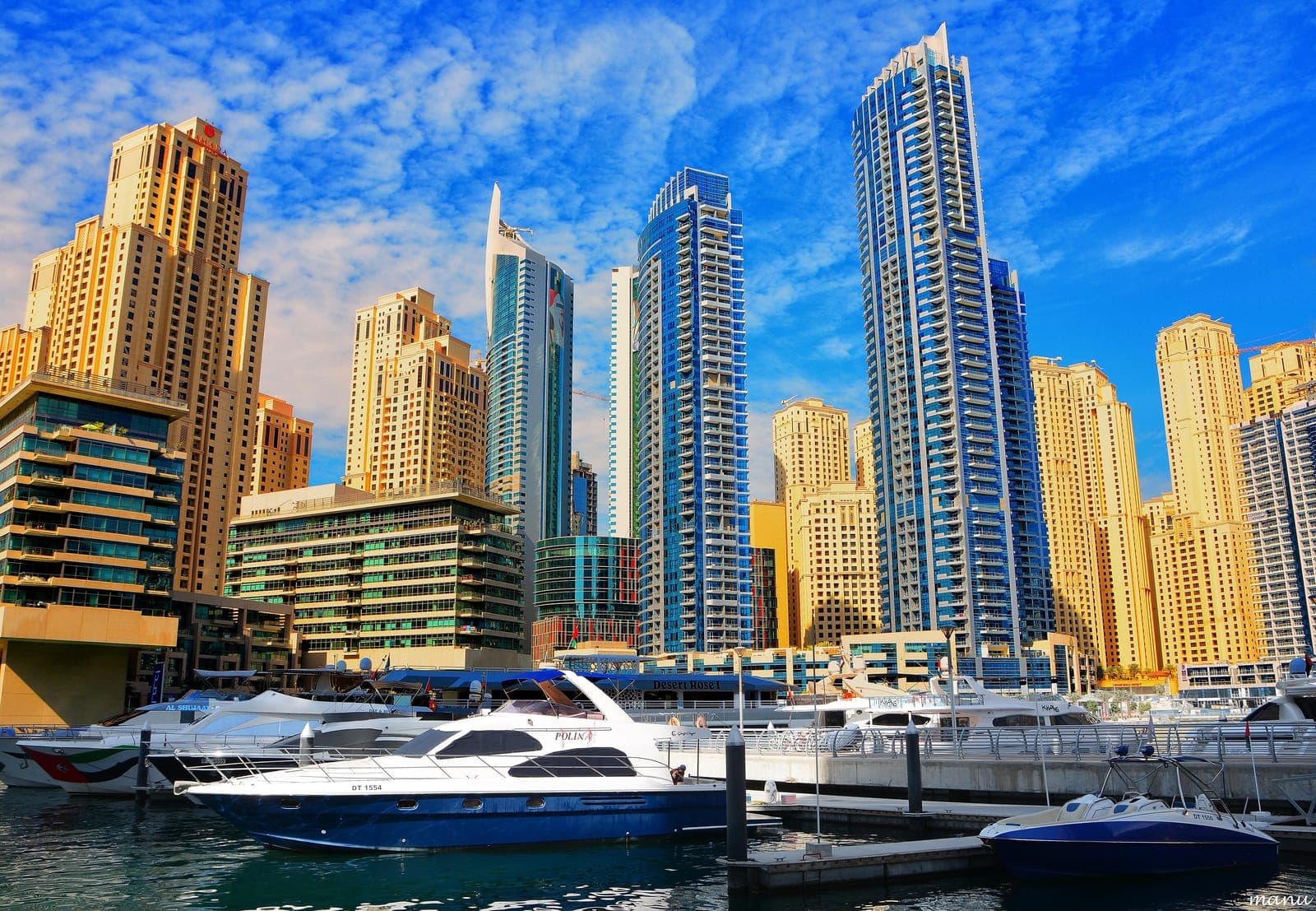
- Dubai Marina is a district in Dubai, United Arab Emirates. Dubai Marina is an artificial canal city, built along a two-mile (3 km) stretch of Persian Gulf shore — lensnmatter, CC BY 2.0
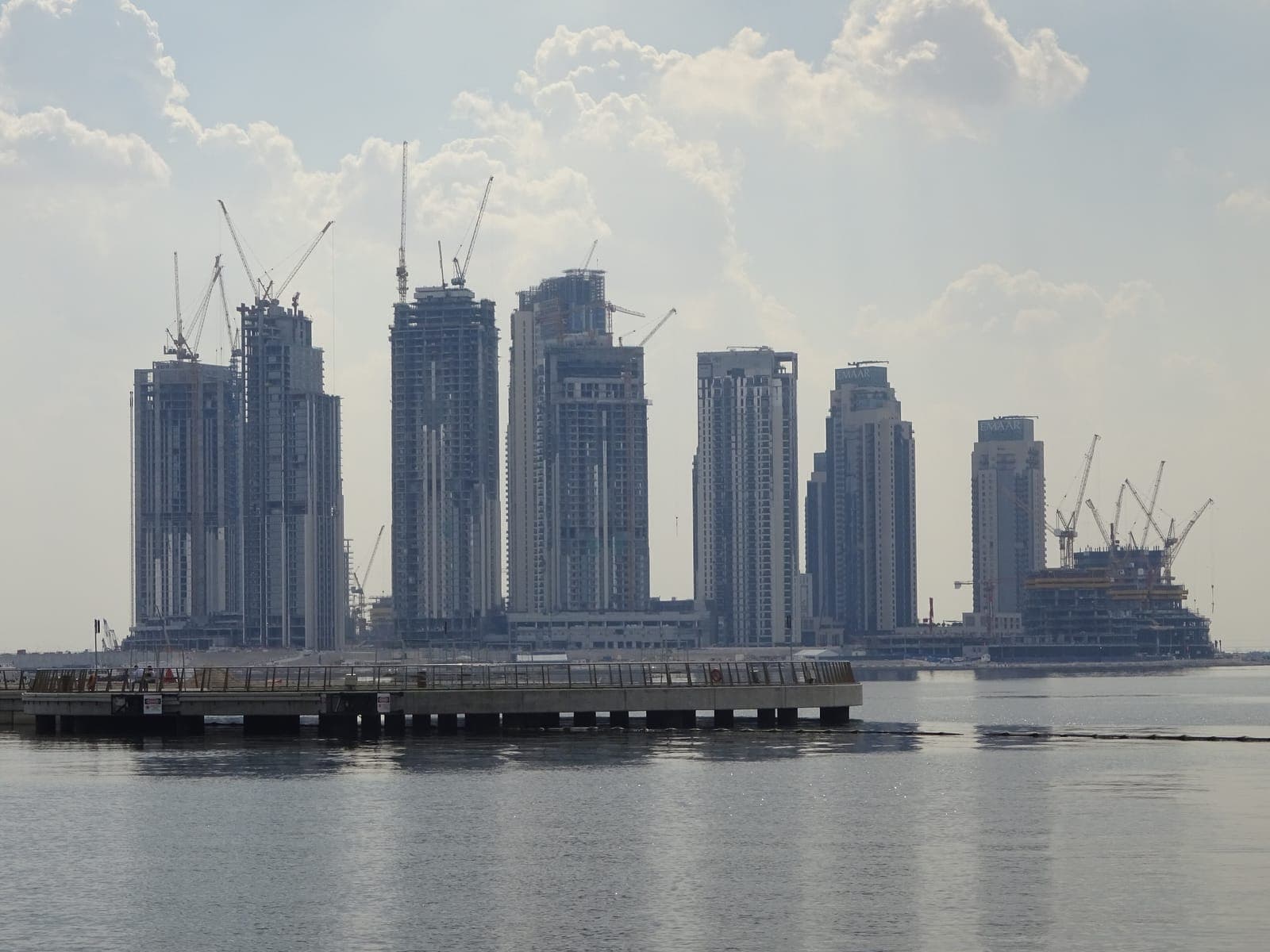
- View of new buildings under construction in 2019 at Dubai Creek Harbour on Dubai Creek, viewed from Dubai Festival City, Dubai, United Arab Emirates. — Jpbowen, CC BY-SA 4.0
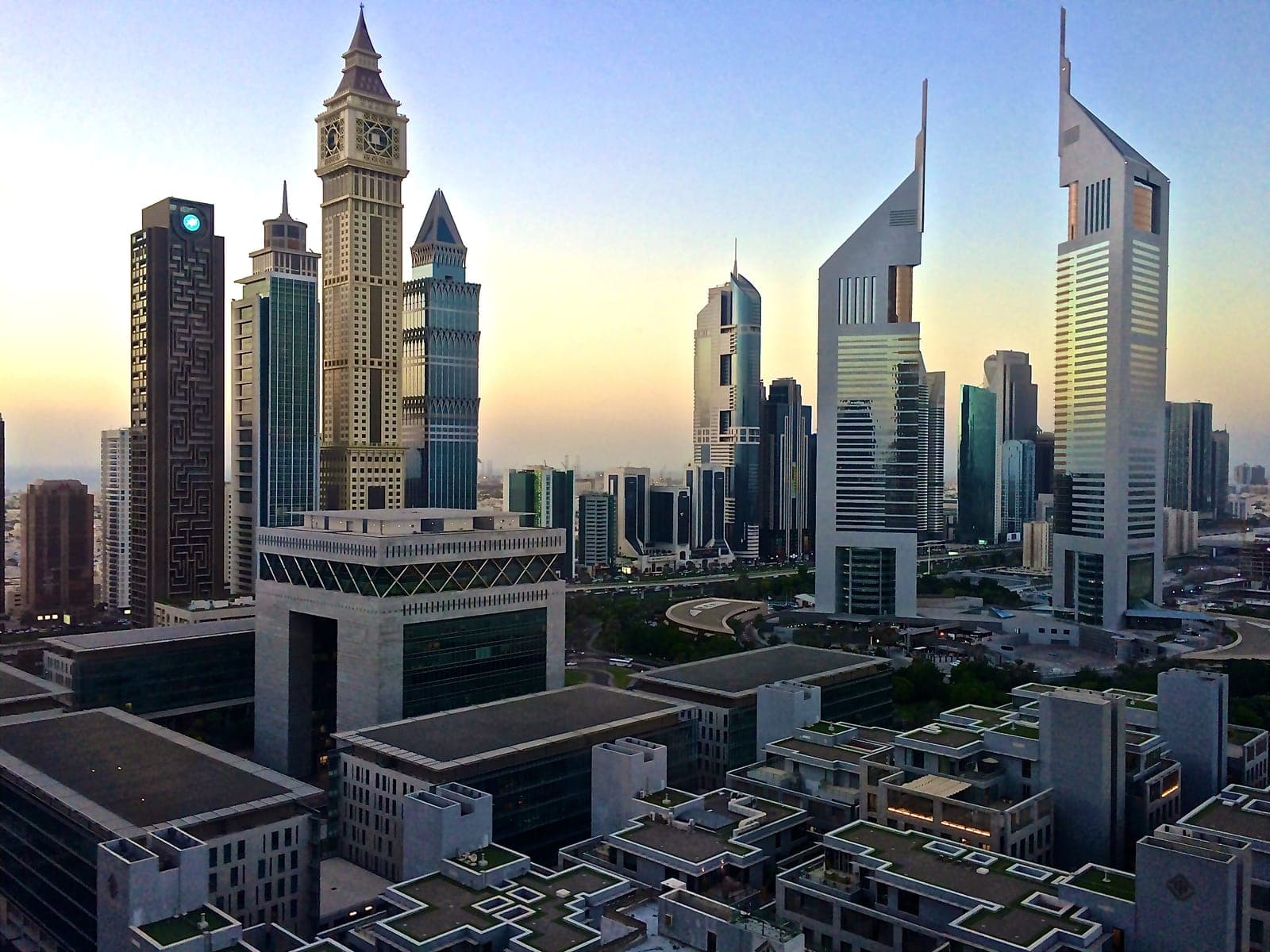
- Emirates Tower in Dubai as seen from the apartment complex Sky Gardens in front of Dubai International Financial Center (DIFC) — Jackardsiffant, CC BY 3.0
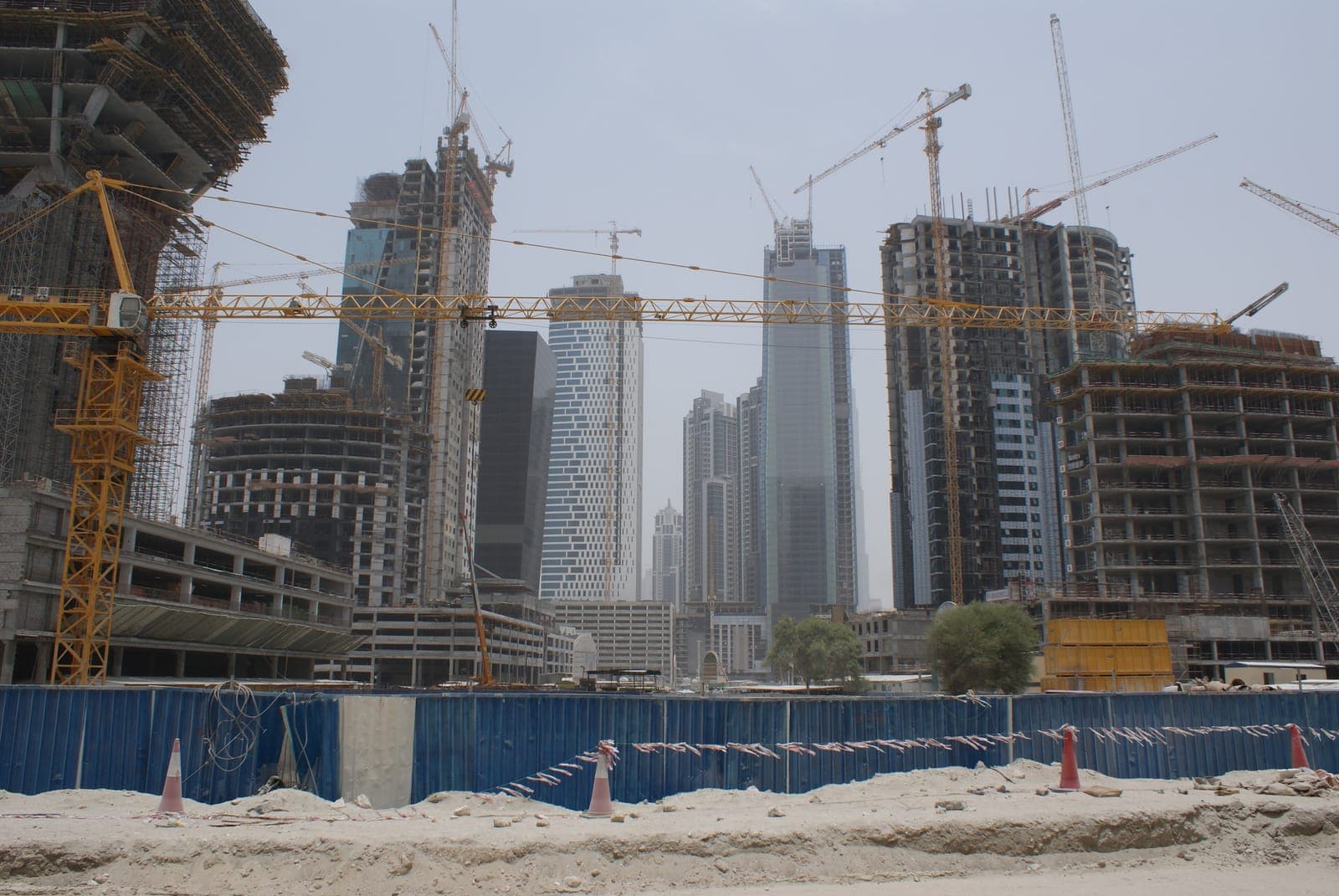
- en:Business Bay during construction in Dubai. — Nepenthes, CC BY-SA 3.0