

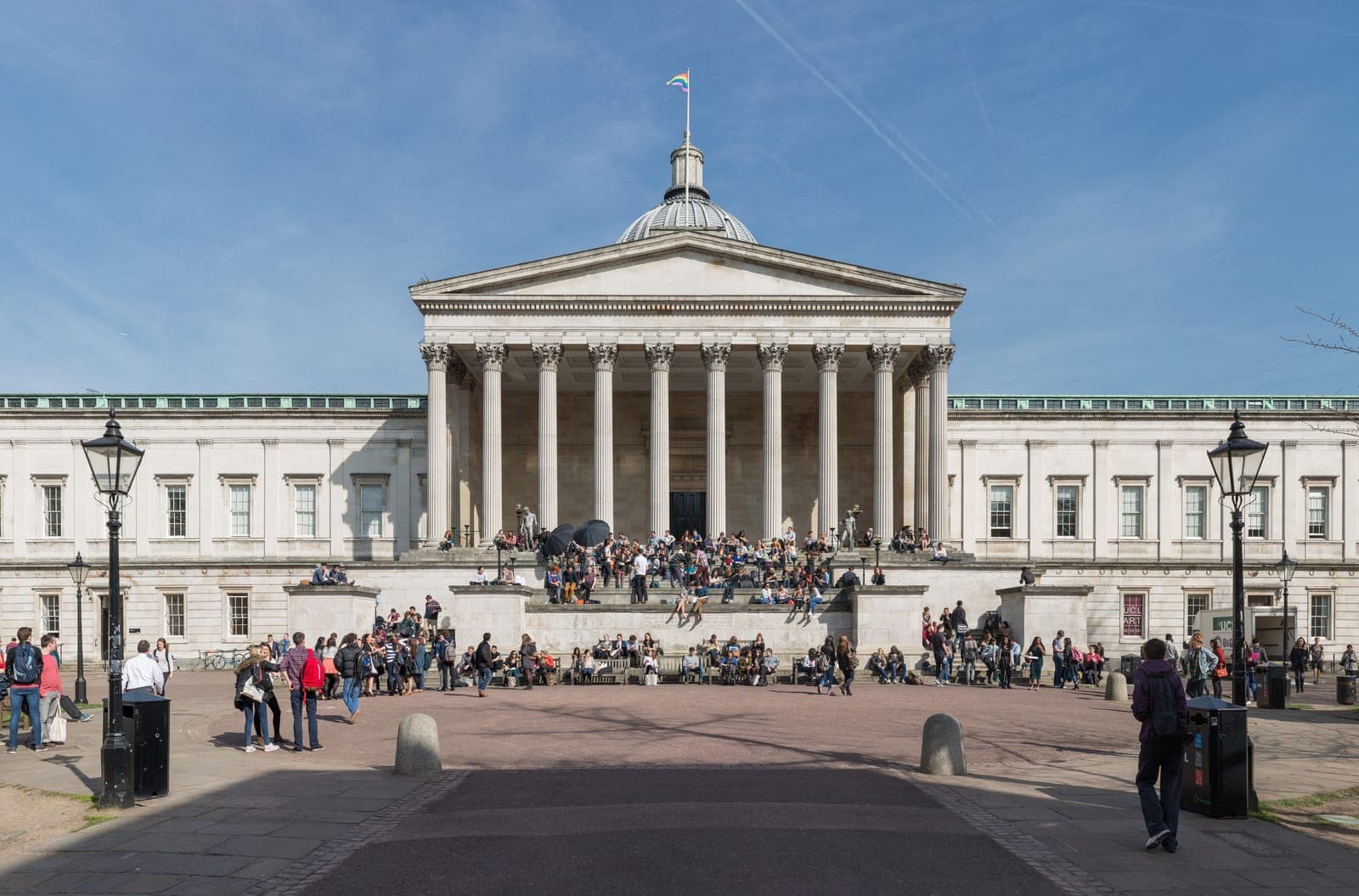
London student accommodation
 London, United Kingdom
- Indicative budget
- Varies widely
- No public benchmark
- Gross rental yield
- ≈4.75% net initial
- Q2 2026 · Knight Frank Research
- Price change
- −2.2% a year
- August 2026 · HM Land Registry
- Holding period
- 7–10 years
- Information verified
- 24 October 2026
Overview
Market overview and investment rationale
London has the UK's deepest student market and the lowest PBSA yields, about 4.75% net initial for prime direct-let schemes in Q2 2026. Investment volumes were low in the quarter as buyers and sellers disagreed on price.
London and United Kingdom
London has the UK's highest prices and rents. Average prices fell 2.2% in the year to August 2026, driven by flats (−5.0%), which make up about half of London sales, while rents rose 3.5%.
Potential benefits
- Deepest student demand
- Global universities
- Institutional investor interest
Market performance
Prices, rents and the latest research
The most recent published figures for this market, each with its period and source.
Rent change
+3.5% a year
September 2026 · Average rent £2,338 a month
Office for National Statistics (ONS)Annual change in house prices — London, all property types, year to December. Past changes do not predict future ones.
- 2020+3.1%
- 2021+3.5%
- 2022+4.5%
- 2023-4.1%
- 2024+1.4%
- 2025-1.2%
Costs and taxes
What it costs to buy, own and sell
Buyer costs: Stamp duty by band, +5% for additional homes and +2% for non-residents. Rates from official sources; confirm them for your case before you commit.
Buying costs
- Stamp Duty Land Tax0% to £125,000, 2% to £250,000, 5% to £925,000, 10% to £1.5m, 12% aboveHM Revenue & Customs (GOV.UK) · paid by buyer
- Higher rates for additional homes+5% on every band if you will own more than one homeHM Revenue & Customs (GOV.UK) · paid by buyer
- Non-UK resident surcharge+2% on every bandHM Revenue & Customs (GOV.UK) · paid by buyer
Taxes for non-resident owners
Non-Resident Landlord Scheme
Letting agents or tenants must deduct basic-rate tax from rent paid to a landlord abroad unless HMRC approves gross payment; UK income tax applies to UK rental profit.
HM Revenue & Customs (GOV.UK)
Rules
Ownership, legal and regulatory requirements
Foreign ownership
No restriction on foreign individuals or companies buying property; non-residents pay a 2% stamp-duty surcharge.
HM Revenue & Customs (GOV.UK)- Most flats are leasehold: check the lease length, ground rent and service charges.
- Landlords must meet deposit-protection, safety and licensing rules, which vary by borough.
Stamp duty for investors from abroad
Buying an additional home adds 5% to every stamp-duty band, and buyers not resident in the UK pay a further 2%.
HM Revenue & Customs (GOV.UK)Risks
Advantages, disadvantages and risks
Advantages
- Deep, transparent market with official monthly data
- Rents still rising
- Strong legal protection of title
Disadvantages
- Prices falling, especially flats
- High purchase taxes for non-residents with other homes
- Lower yields than regional cities
Risks in student accommodation
- Lowest yields
- Slow deal market in 2026
- High build and land costs
Currency risk
Rent and sale proceeds are in pounds sterling, which floats freely: a weaker pound reduces returns in dollars or other currencies, and a stronger one increases them.
Financing
UK lenders offer buy-to-let mortgages to some non-residents and expatriates, usually with larger deposits and higher rates than for residents; affordability is tested against the rent.
Exit and liquidity
A deep, transparent market with published sold prices. A typical sale takes several months from offer to completion; flats in large new blocks can take longer to sell.
Before you invest
Due diligence checklist
- 1Confirm the seller's title and that the property is free of mortgages, liens and disputes at the land registry
- 2Check that foreigners may buy this property type in this location, and any approval or permit you need first
- 3Get an independent valuation, not only the seller's or developer's figure
- 4Ask for the full running costs: service charges, owners' association fees, insurance, maintenance and local taxes
- 5Take advice from a licensed local lawyer and a tax adviser in both countries before you sign or pay
- 6Plan how you will move money in and out: bank route, currency conversion and any reporting rules
Assess this market with a consultant
We help you weigh the figures, rules and risks for your budget and goals. We advise only — we do not sell property or investments.
References
Official references and data sources
Every figure on this page comes from these sources, checked 24 October 2026.
- UK Student Market Update, Q2 2026Knight Frank Research
- Stamp Duty Land Tax: residential property rates (including the non-UK resident surcharge)HM Revenue & Customs (GOV.UK)
- Private rent and house prices, UK: October 2026Office for National Statistics (ONS)
- Price Index of Private Rents, UK: monthly price statistics (local authority rents, 21 October 2026)Office for National Statistics (ONS)
- UK House Price Index (local authority average prices and annual change)HM Land Registry
- Stamp Duty Land Tax: buying an additional residential propertyHM Revenue & Customs (GOV.UK)
- Paying tax on rent to landlords abroad (Non-Resident Landlord Scheme)HM Revenue & Customs (GOV.UK)
Not investment advice, and returns are never guaranteed.
Property and investment values can fall as well as rise. Projected or estimated returns are not guaranteed. All property information should be independently verified, and you should obtain appropriate legal, tax and financial advice before making any investment decision.Related
Other market guides
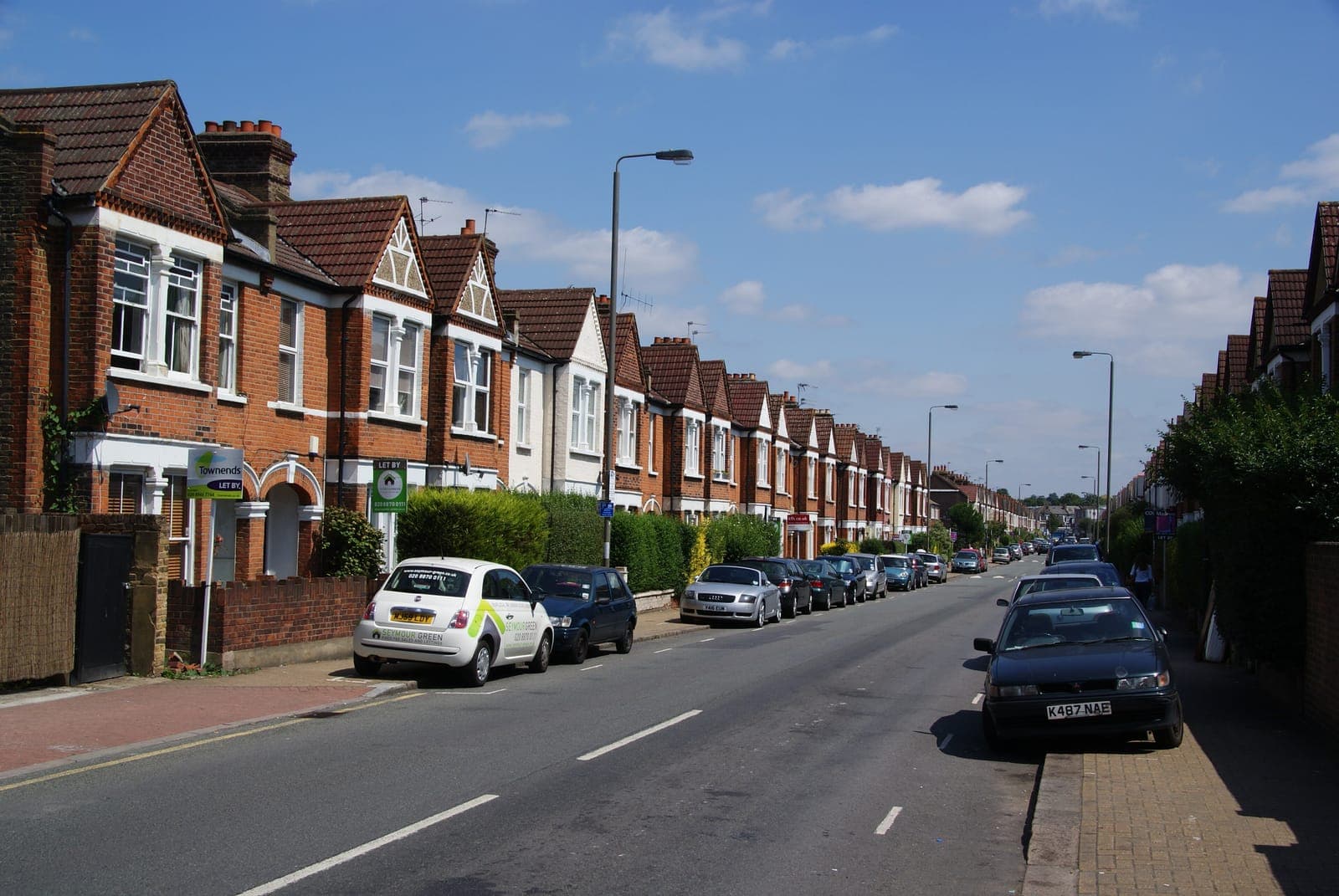 ResidentialLondon homes London, United Kingdom
 Student AccommodationManchester student accommodation Manchester, United Kingdom
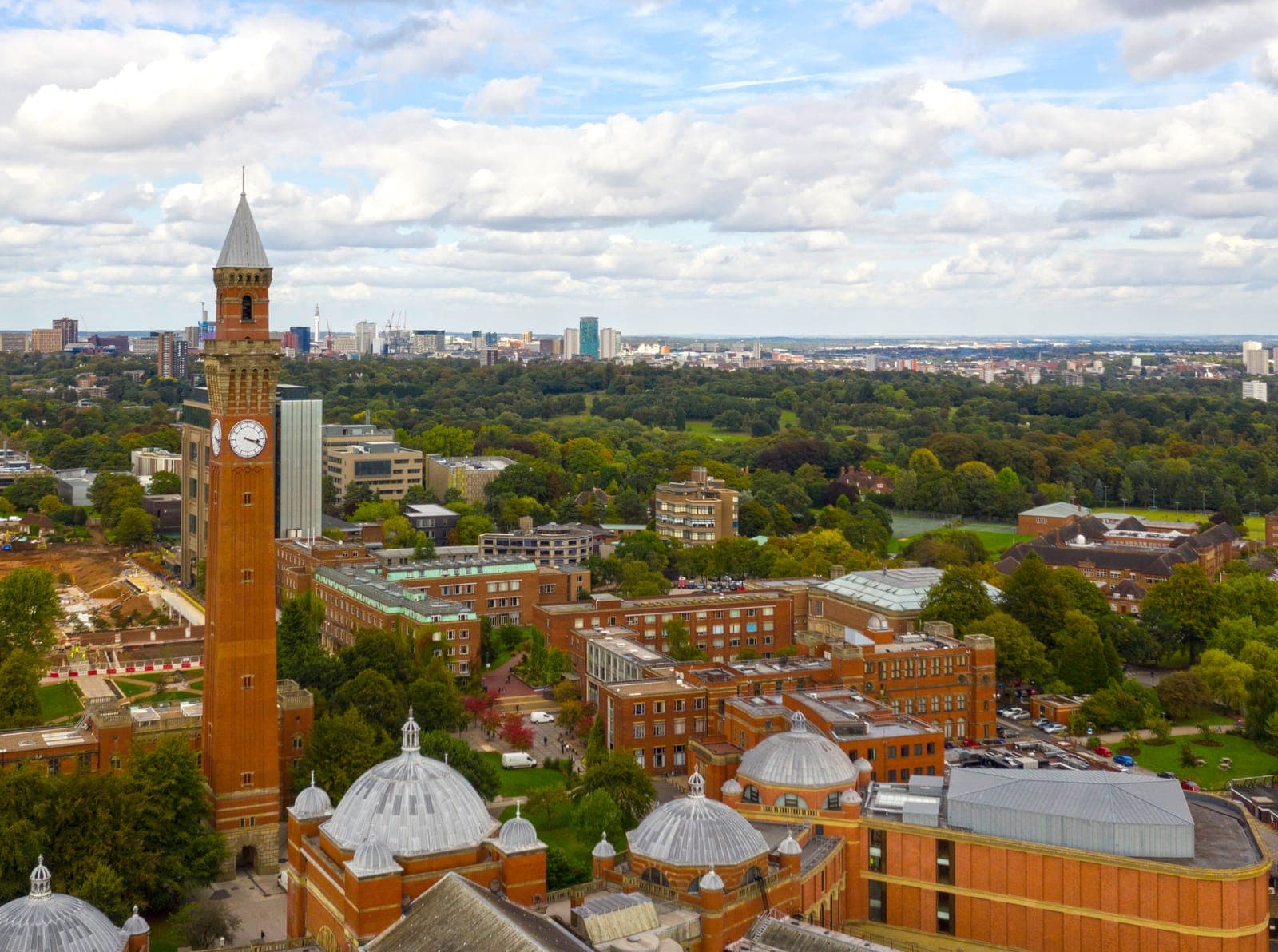 Student AccommodationBirmingham student accommodation Birmingham, United Kingdom
Photo credits
- Terraced houses on Penwith Road — Bill Boaden, CC BY-SA 2.0
- An outdoor shot of a part of the Manchester University campus. Image made available under Creative Commons Attribution licensing, with attribution in the form o — citysuitesimages, CC BY 2.0
- University of Birmingham Aerial Photography .mw-parser-output .messagebox{margin:4px 0;width:auto;border-collapse:collapse;border:2px solid var(--border-color-p — Mingkai Zhang, CC BY-SA 4.0
- The Wilkins Building, University College London, Gower Street, Bloomsbury, London, England — Diliff, CC BY-SA 3.0