

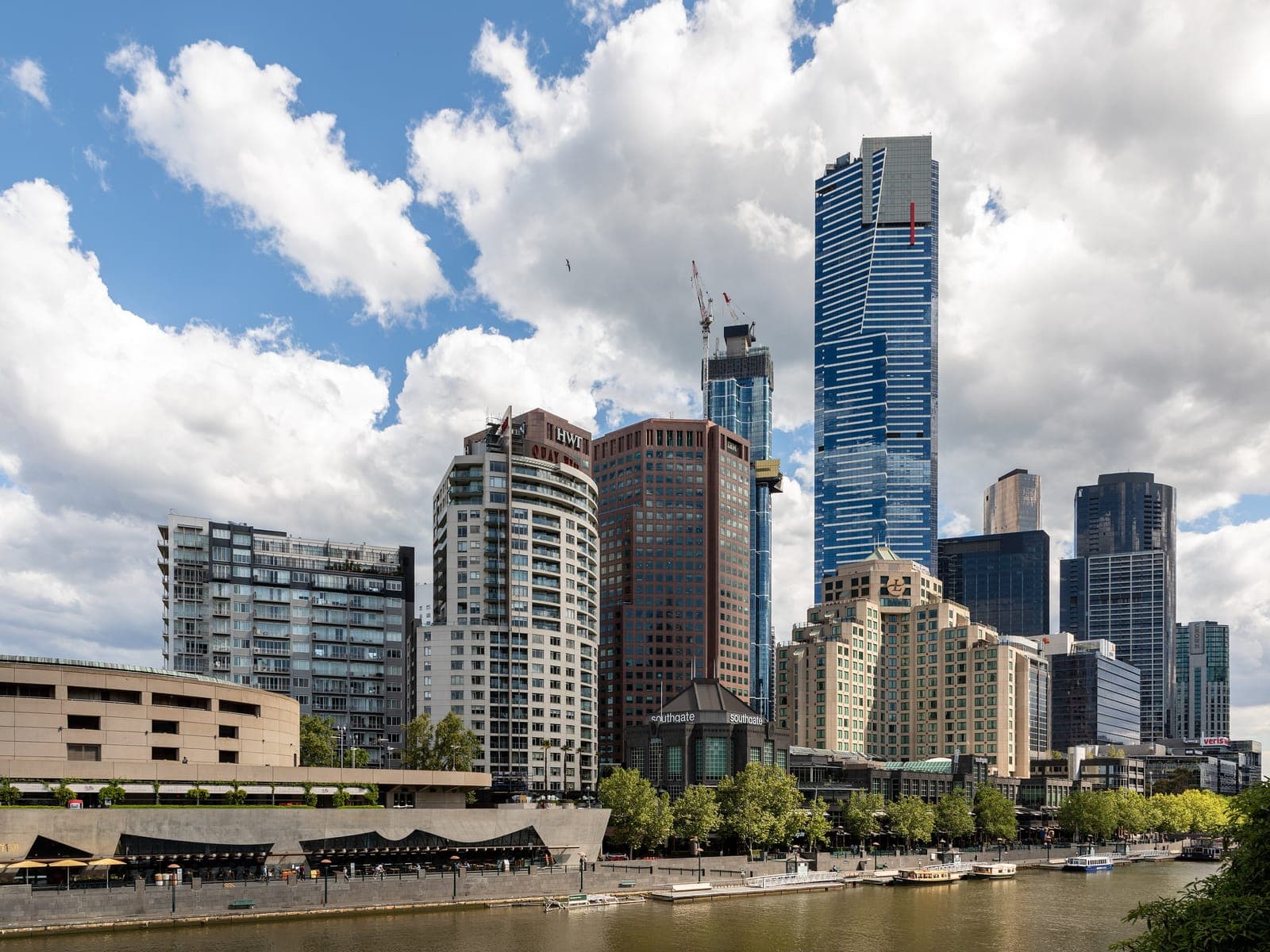
Melbourne new apartments
 Melbourne, Australia
- Indicative budget
- Varies widely
- No public benchmark
- Gross rental yield
- 4.1% gross
- September 2026 · Cotality (formerly CoreLogic)
- Price change
- −6.2% a year
- September 2026 · Cotality (formerly CoreLogic)
- Holding period
- 3–10 years
- Information verified
- 24 October 2026
Overview
Market overview and investment rationale
Foreign buyers in Australia are channelled into new dwellings: established homes are off limits until 30 June 2029, but new and off-the-plan homes are normally approved. Melbourne values fell 6.2% in the year to September 2026 and gross yields reached 4.1%, the highest of Australia's two largest cities.
Melbourne and Australia
Melbourne has the highest gross rental yields of Australia's two largest cities (4.1% in September 2026) after values fell 6.2% over the year. Foreign buyers are generally banned from buying established homes until 30 June 2029, but can seek approval to buy new dwellings, including off the plan.
Potential benefits
- New dwellings normally approved for foreign buyers
- Prices below their peak
- Highest yields among Sydney and Melbourne
Market performance
Prices, rents and the latest research
The most recent published figures for this market, each with its period and source.
Price change
−6.2% a year
September 2026 · Melbourne dwellings; 7.2% below the cyclical high
Cotality (formerly CoreLogic)Gross rental yield
4.1% gross
September 2026 · Melbourne dwellings (Sydney 3.4%)
Cotality (formerly CoreLogic)Annual change in house prices — Australia, all residential, nominal, year to Q4. Past changes do not predict future ones.
- 2019+2.5%
- 2020+3.6%
- 2021+23.7%
- 2022-3.1%
- 2023+7.2%
- 2024+5.8%
- 2025+8.2%
Costs and taxes
What it costs to buy, own and sell
Buyer costs: FIRB approval fee, state stamp duty and foreign-purchaser surcharges. Rates from official sources; confirm them for your case before you commit.
Buying costs
- Foreign investment approvalFIRB application fee, set by priceForeign Investment Review Board (Australian Treasury)
Taxes for non-resident owners
Established-dwelling ban
From 1 April 2025 to 30 June 2029 foreign persons are generally banned from buying established dwellings; new dwellings are normally approved.
Foreign Investment Review Board (Australian Treasury)
Rules
Ownership, legal and regulatory requirements
Foreign ownership
Foreign persons need approval and are generally limited to new dwellings and vacant land for development until 30 June 2029.
Foreign Investment Review Board (Australian Treasury)- Victoria charges foreign purchasers additional stamp duty and land tax surcharges; check the current rates with the State Revenue Office.
Foreign investment approval
Foreign persons need approval to buy Australian residential land and, from 1 April 2025 to 30 June 2029, are generally banned from buying established dwellings; new dwellings are normally approved.
Foreign Investment Review Board (Australian Treasury)Risks
Advantages, disadvantages and risks
Advantages
- Highest yields among Sydney and Melbourne
- Prices below their peak
- Transparent data
Disadvantages
- Values falling in 2026
- Foreign buyers limited to new dwellings
- State surcharges for foreigners
Risks in off-plan
- Values still falling in 2026
- Fewer resale buyers for foreign-owned new apartments
- State surcharges for foreign purchasers
Currency risk
The Australian dollar floats freely.
Financing
Australian lenders lend to non-residents only in limited cases; many foreign buyers of new dwellings pay deposits and settle with cash.
Exit and liquidity
A liquid market; new apartments bought by foreigners may be harder to resell because foreign resale buyers are limited.
Before you invest
Due diligence checklist
- 1Confirm the seller's title and that the property is free of mortgages, liens and disputes at the land registry
- 2Check that foreigners may buy this property type in this location, and any approval or permit you need first
- 3Get an independent valuation, not only the seller's or developer's figure
- 4Ask for the full running costs: service charges, owners' association fees, insurance, maintenance and local taxes
- 5Take advice from a licensed local lawyer and a tax adviser in both countries before you sign or pay
- 6Plan how you will move money in and out: bank route, currency conversion and any reporting rules
Assess this market with a consultant
We help you weigh the figures, rules and risks for your budget and goals. We advise only — we do not sell property or investments.
References
Official references and data sources
Every figure on this page comes from these sources, checked 24 October 2026.
- Guidance Note 6: Residential land (version 5, June 2026)Foreign Investment Review Board (Australian Treasury)
- Home Value Index, October 2026 (values and gross rental yields to 30 September 2026)Cotality (formerly CoreLogic)
- Residential land – foreign investment guidanceForeign Investment Review Board (Australian Government, The Treasury)
- Residential property prices: selected series, nominal and real (from national sources)Bank for International Settlements (BIS)
Not investment advice, and returns are never guaranteed.
Property and investment values can fall as well as rise. Projected or estimated returns are not guaranteed. All property information should be independently verified, and you should obtain appropriate legal, tax and financial advice before making any investment decision.Related
Other market guides
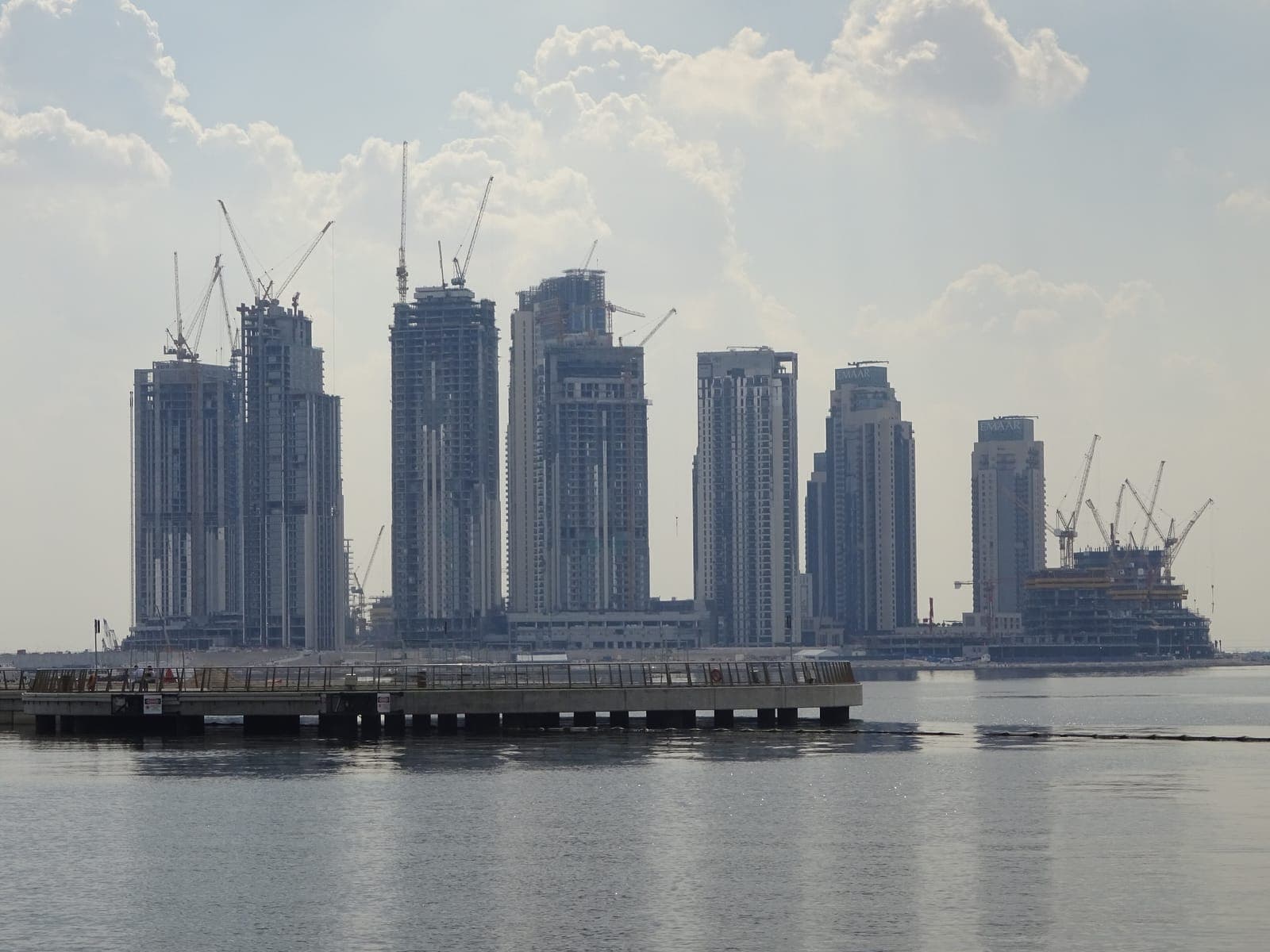 Off-PlanDubai off-plan with escrow protection
 Dubai, United Arab Emirates
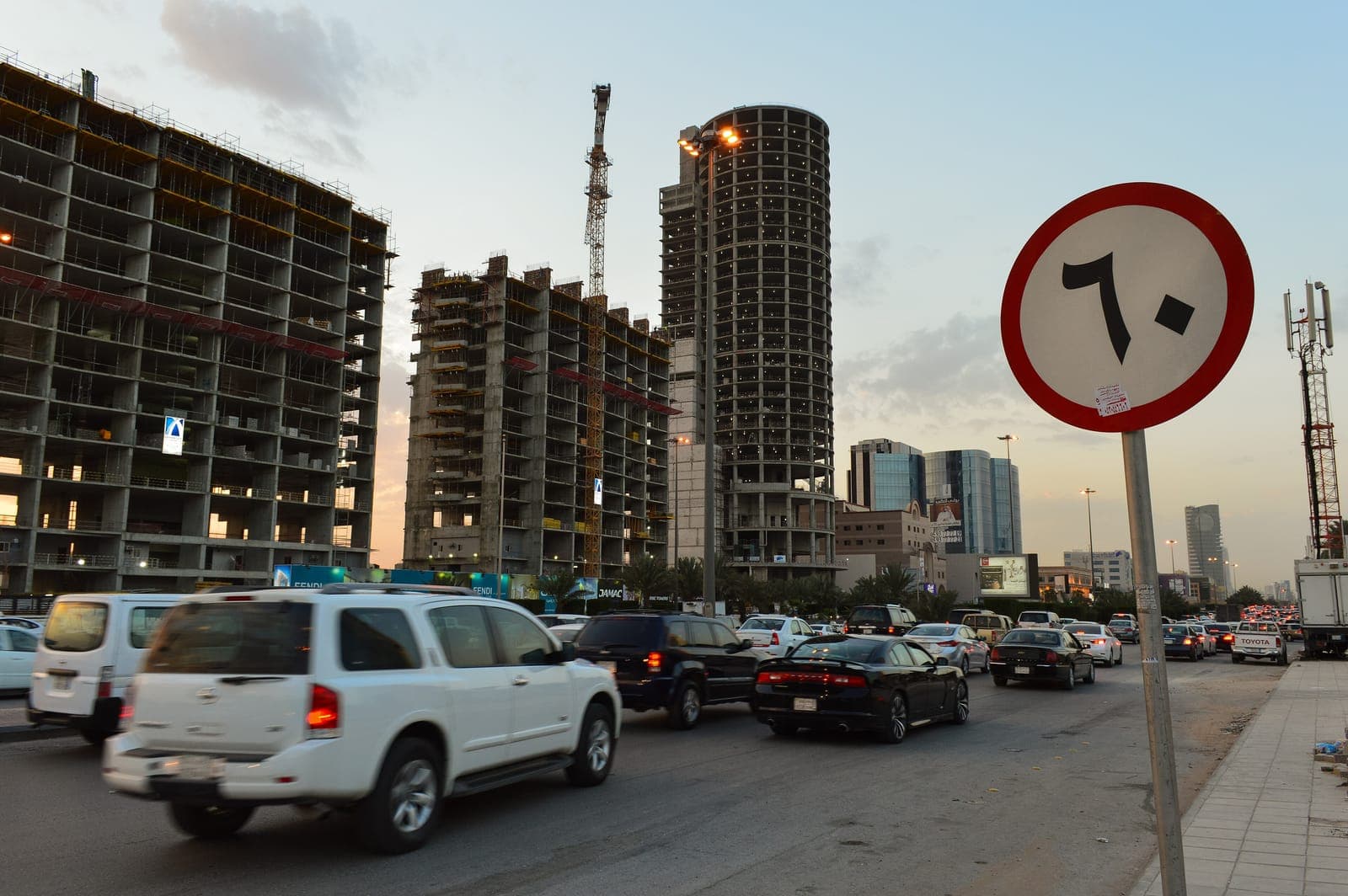 Off-PlanRiyadh giga-project zones
 Riyadh, Saudi Arabia
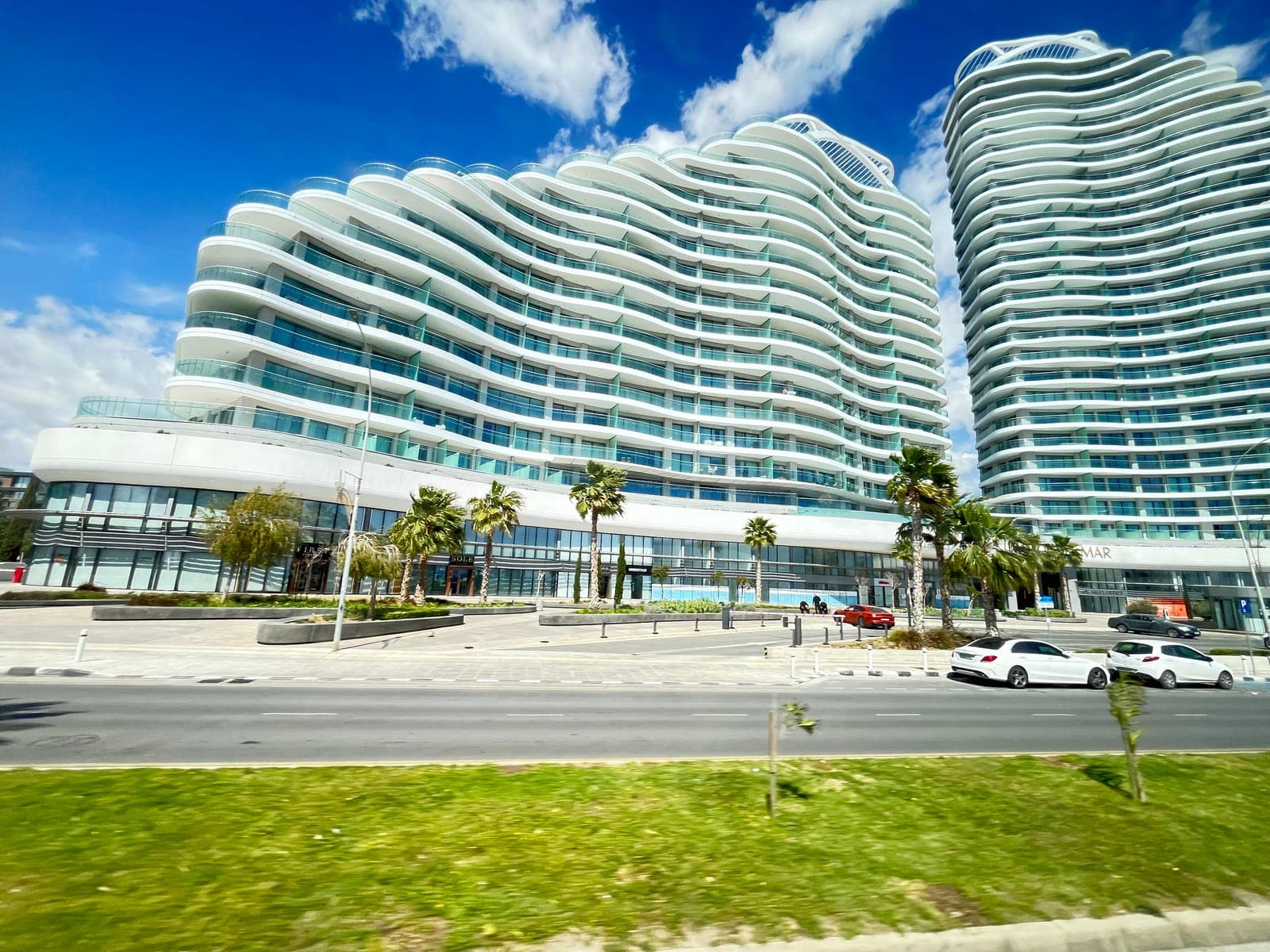 Off-PlanLimassol new-build homes
 Limassol, Cyprus
Photo credits
- View of new buildings under construction in 2019 at Dubai Creek Harbour on Dubai Creek, viewed from Dubai Festival City, Dubai, United Arab Emirates. — Jpbowen, CC BY-SA 4.0
- New construction in Riyadh — Francisco Anzola, CC BY 2.0
- Southbank (and Eureka Tower), Melbourne, Victoria, Australia — Dietmar Rabich, CC BY-SA 4.0
- The Limassol Del Mar buildings in Limassol, Cyprus — Lomaine, CC BY-SA 4.0