

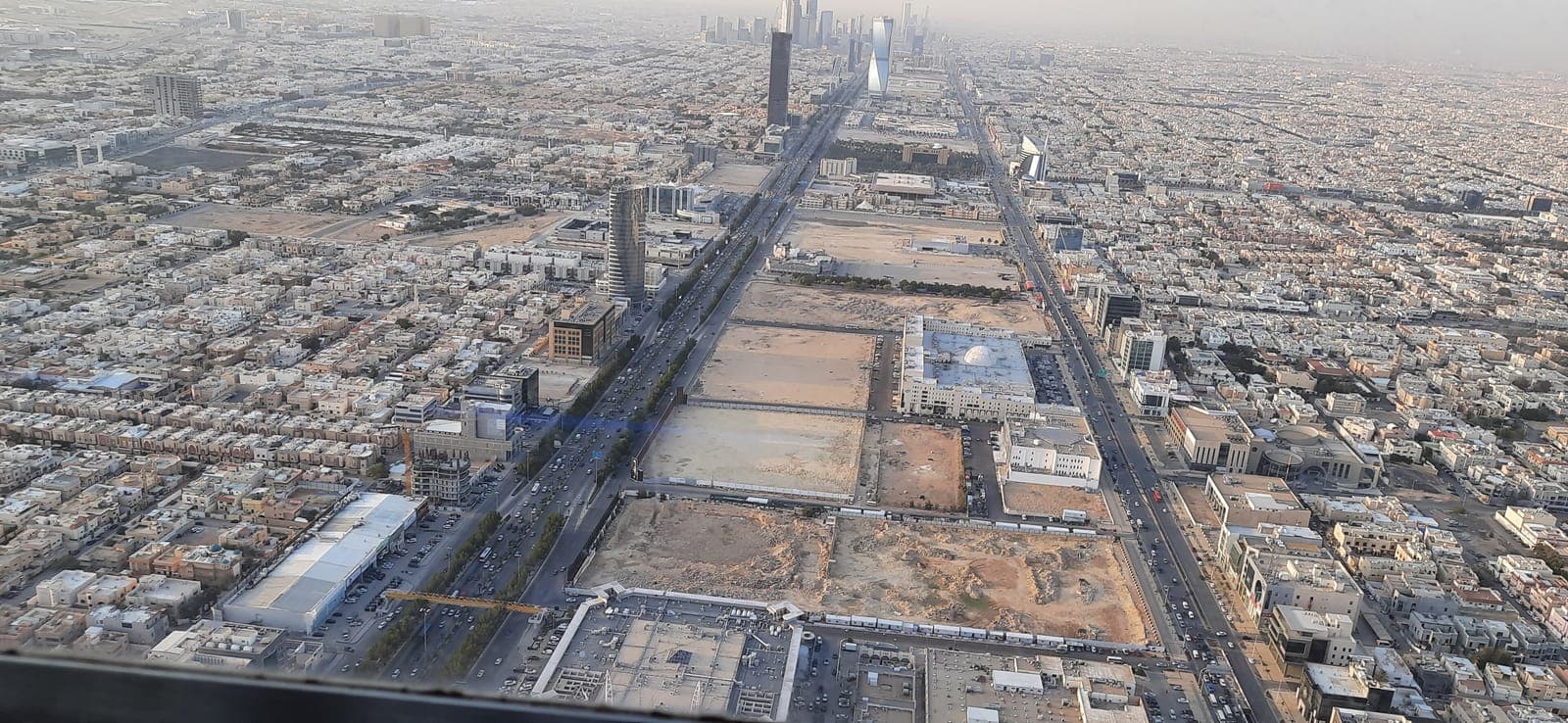
Riyadh land: the white land tax
 Riyadh, Saudi Arabia
- Indicative budget
- Varies widely
- No public benchmark
- Gross rental yield
- Not reliably published
- Price change
- +2.6% a year
- Q2 2026 · Bank for International Settlements (BIS)
- Holding period
- 3–10 years
- Information verified
- 24 October 2026
Overview
Market overview and investment rationale
Saudi Arabia taxes undeveloped land inside urban boundaries to push it into development: the April 2025 amendments allow a rate of up to 10% of the land's value a year. Holding urban land without building on it is therefore costly, and foreign ownership is limited to the approved zones.
Riyadh and Saudi Arabia
Saudi Arabia's law on property ownership by non-Saudis took effect on 22 January 2026, and in June 2026 the Cabinet approved the geographic zones where non-residents may buy. In Riyadh these are mainly the government giga-projects — Qiddiya, New Murabba, Diriyah Gate, King Salman Park, KAFD, Sedra, the Sports Boulevard and arts district, King Salman International Airport — plus a transit-oriented development site. Since September 2025, rents across Riyadh have been frozen for five years.
Potential benefits
- Strong development pipeline in Riyadh
- Land inside approved zones may suit joint ventures
Market performance
Prices, rents and the latest research
The most recent published figures for this market, each with its period and source.
Price change
+2.6% a year
Q2 2026 · Saudi Arabia, all real estate (national index)
Bank for International Settlements (BIS)Costs and taxes
What it costs to buy, own and sell
Buyer costs: Up to 10% for non-Saudis (5% transaction tax + up to 5% fee). Rates from official sources; confirm them for your case before you commit.
Buying costs
- Real estate transaction tax5% of the valueREGA · paid by buyer
- Additional fee for non-Saudi buyersUp to 5% (total for non-Saudis up to 10%)REGA
Taxes for non-resident owners
White land tax
Undeveloped land inside urban boundaries can be taxed at up to 10% of its value a year, and vacant buildings at up to 5%, under amendments approved in April 2025 (rates set by regulations).
Addleshaw Goddard
Rules
Ownership, legal and regulatory requirements
Foreign ownership
Non-resident foreigners may own only inside the approved geographic zones; residents (iqama holders) and Premium Residency holders may also own one home for personal use outside the zones (not in Makkah or Madinah). Applications go through the Saudi Properties platform.
Enterprise (EnterpriseAM)- Rent increases on residential and commercial leases within Riyadh's urban boundary are suspended for five years from 25 September 2025; leases must be registered on the Ejar platform.
- Non-residents need a digital ID issued through a Saudi embassy, a Saudi bank account and a Saudi phone number before applying.
- Each zone sets the type of right available (ownership or usufruct) and maximum ownership percentages.
White land tax
Up to 10% of the land's value a year for unused land within urban boundaries, and up to 5% for vacant buildings, under amendments approved on 29 April 2025.
Addleshaw GoddardWhere non-residents can buy
Non-resident foreigners can own only inside the Cabinet-approved geographic zones; each zone sets the type of right (ownership or usufruct) and ownership limits.
Enterprise (EnterpriseAM)Risks
Advantages, disadvantages and risks
Advantages
- Newly opened to foreign buyers in defined zones
- Large government-backed development pipeline
- Premium Residency linked to property
- Dollar-pegged currency
Disadvantages
- Purchase costs of up to 10% for non-Saudis
- Rents frozen in Riyadh for five years from September 2025
- Zones limited mainly to giga-projects
- No reliable published rental yield
Risks in land
- White land tax of up to 10% a year
- Ownership limited to zones for non-residents
- Up to 10% purchase costs
Currency risk
The riyal is pegged to the US dollar at SAR 3.75.
Financing
Saudi banks lend mainly to residents; non-resident buyers should expect to pay largely in cash or through developer payment plans.
Exit and liquidity
The market for foreign buyers is new and concentrated in large projects, so resale liquidity for foreigners is untested.
Before you invest
Due diligence checklist
- 1Confirm the seller's title and that the property is free of mortgages, liens and disputes at the land registry
- 2Check that foreigners may buy this property type in this location, and any approval or permit you need first
- 3Get an independent valuation, not only the seller's or developer's figure
- 4Ask for the full running costs: service charges, owners' association fees, insurance, maintenance and local taxes
- 5Take advice from a licensed local lawyer and a tax adviser in both countries before you sign or pay
- 6Plan how you will move money in and out: bank route, currency conversion and any reporting rules
Assess this market with a consultant
We help you weigh the figures, rules and risks for your budget and goals. We advise only — we do not sell property or investments.
References
Official references and data sources
Every figure on this page comes from these sources, checked 24 October 2026.
- Amendments to Saudi Arabia's White Land Tax Law (May 2025)Addleshaw Goddard
- Mapping the real estate foreign ownership zones (30 June 2026)Enterprise (EnterpriseAM)
- Q&A: Updated Law of Real Estate Ownership by Non-SaudisREGA
- Residential property prices: selected series, nominal and real (from national sources)Bank for International Settlements (BIS)
- Non-Saudi Property Ownership System Enters into Force as of TodayReal Estate General Authority (REGA)
- Non-Saudi Real Estate Ownership in Saudi Arabia (Saudi Properties platform)REGA
- Saudi Cabinet approves foreign ownership zones in Riyadh, Jeddah and the holy citiesIMI Daily
- Saudi Arabia freezes rents in Riyadh for 5 years (25 September 2025)Arab News (reporting the Saudi Press Agency)
- Real Estate Owner ResidencyPremium Residency Center
Not investment advice, and returns are never guaranteed.
Property and investment values can fall as well as rise. Projected or estimated returns are not guaranteed. All property information should be independently verified, and you should obtain appropriate legal, tax and financial advice before making any investment decision.Related
Other market guides
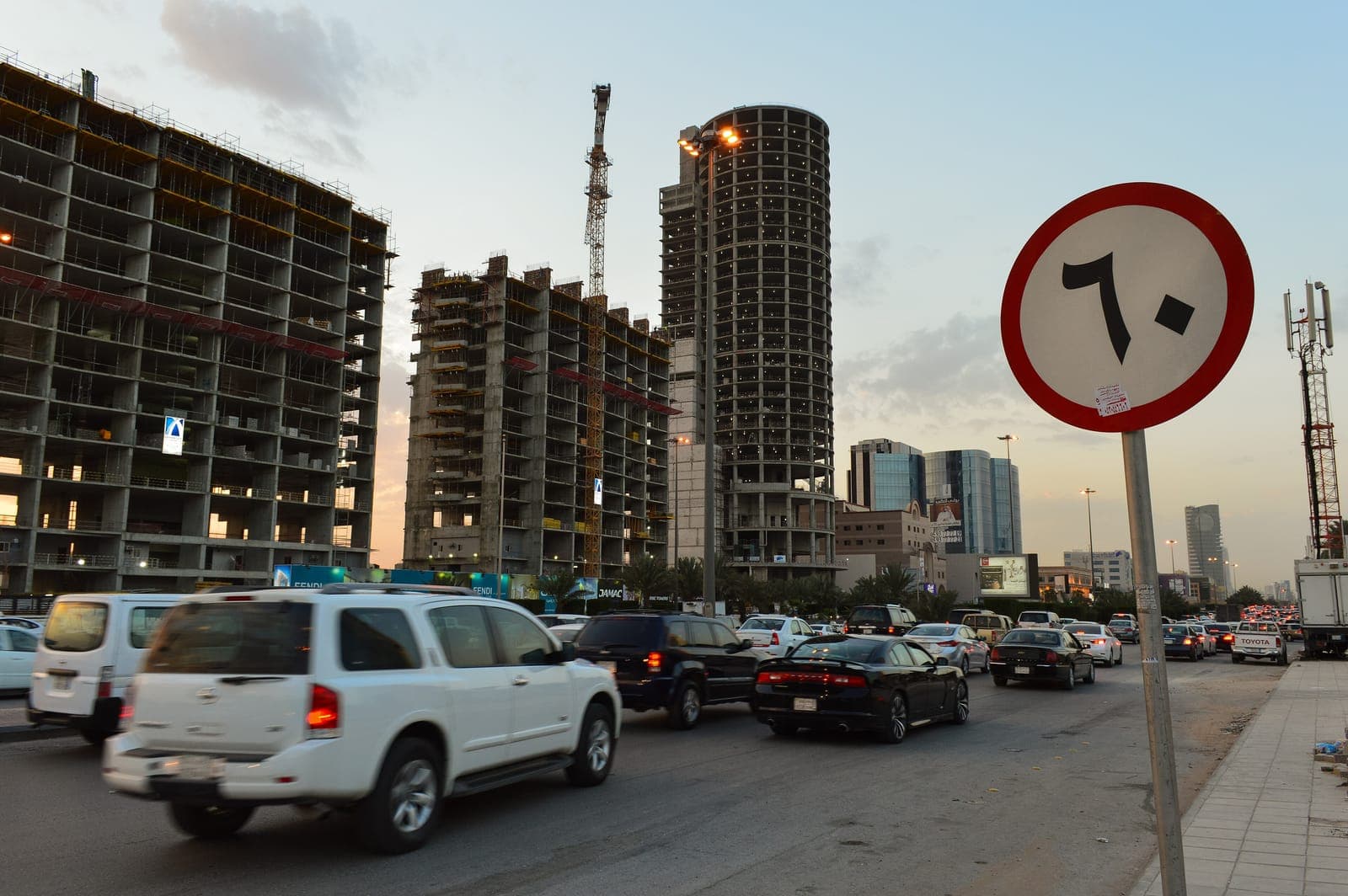 Off-PlanRiyadh giga-project zones Riyadh, Saudi Arabia
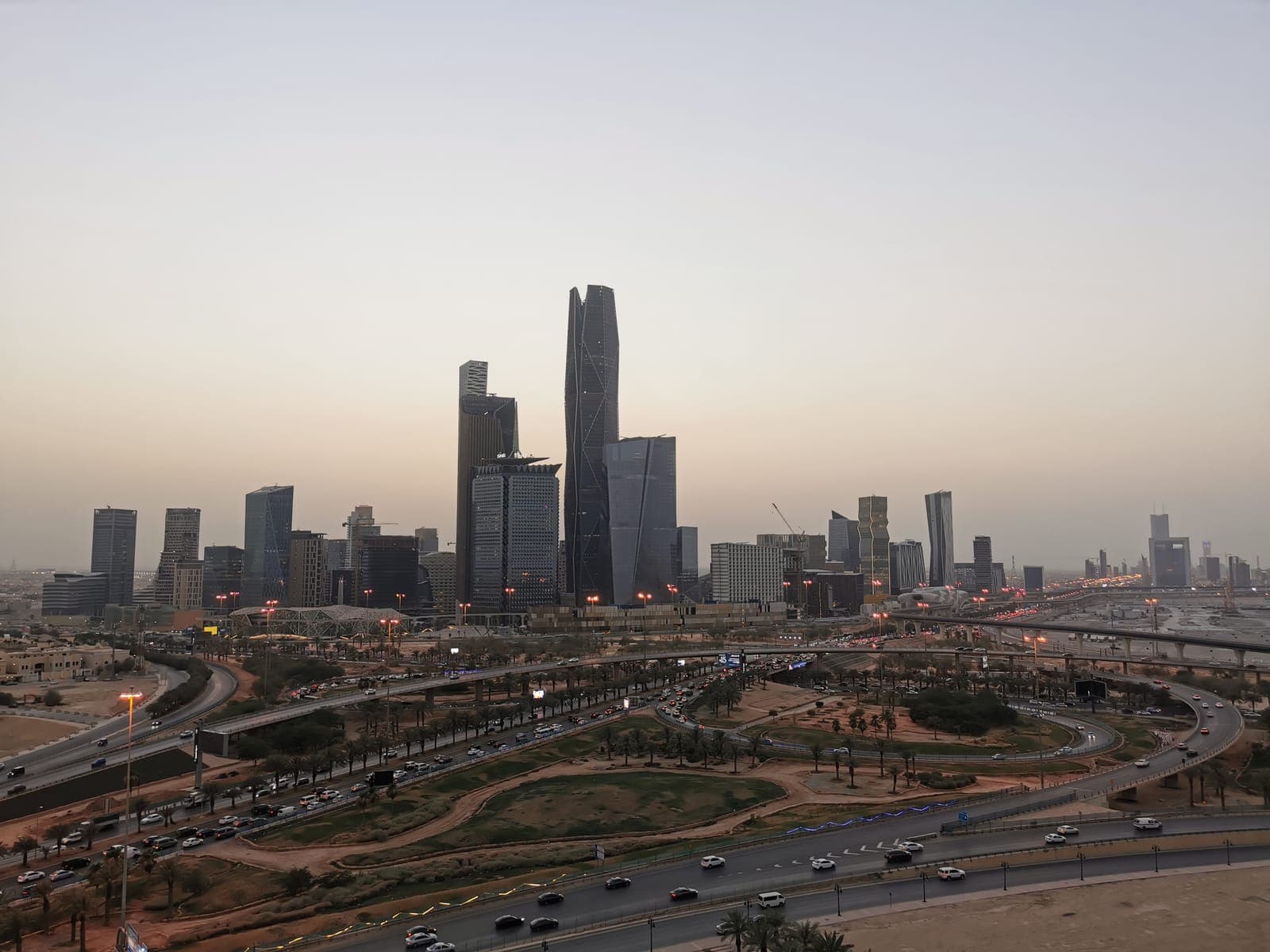 CommercialRiyadh commercial property Riyadh, Saudi Arabia
 LandTexas land
 Dallas–Fort Worth, United States
Photo credits
- New construction in Riyadh — Francisco Anzola, CC BY 2.0
- King Abdullah Financial District — Ahmed, CC BY-SA 4.0
- Sunrise over farmland near Nada, Texas — Corey Leopold, CC BY 2.0
- A view from Kingdom Tower — Adithyak1997, CC BY-SA 3.0