

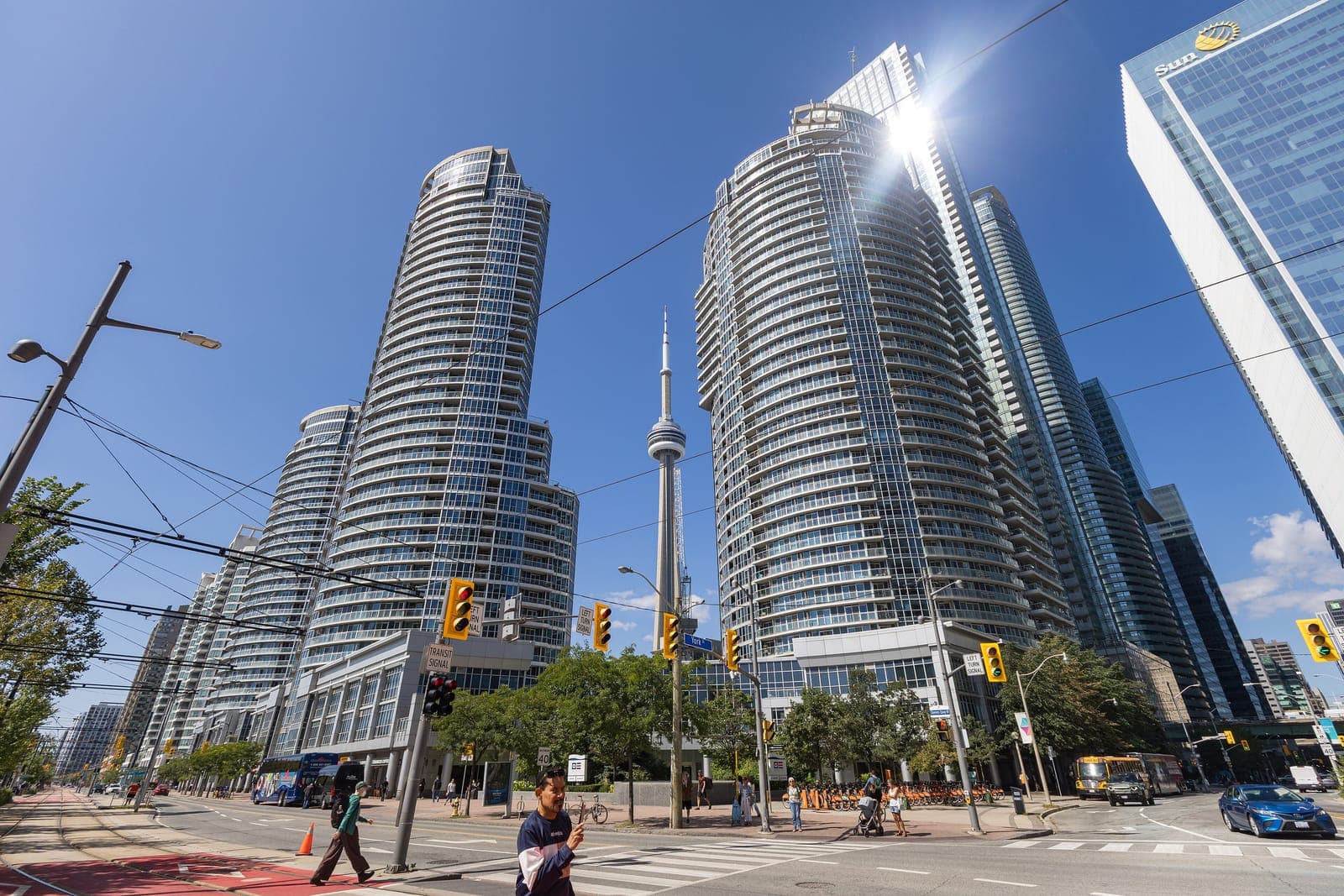
Toronto homes: closed to most foreign buyers
 Toronto, Canada
- Indicative budget
- Varies widely
- No public benchmark
- Gross rental yield
- Not reliably published
- Price change
- −4.0% a year
- Q2 2026 · Bank for International Settlements (BIS)
- Holding period
- After the ban ends
- Information verified
- 24 October 2026
Overview
Market overview and investment rationale
Most non-Canadians cannot buy Canadian homes until the federal ban ends on 1 January 2027, and Ontario charges foreign buyers a 25% tax. We include Toronto so investors can follow the market: prices fell 4.0% nationally in the year to Q2 2026 and rental vacancy rose to 3%.
Toronto and Canada
Canada's federal ban on non-Canadians buying residential property runs to 1 January 2027, and Ontario adds a 25% tax on foreign buyers. Prices fell 4.0% nationally in the year to Q2 2026, and Toronto's purpose-built rental vacancy reached 3%, the first time since the pandemic, as more rented condominiums competed for tenants.
Potential benefits
- Prices falling after the 2021–22 peak
- Strong rule of law
- Rising rental vacancy gives tenants choice and shows the market's direction
Market performance
Prices, rents and the latest research
The most recent published figures for this market, each with its period and source.
Price change
−4.0% a year
Q2 2026 · Canada, all residential (−6.7% after inflation)
Bank for International Settlements (BIS)Vacancy or occupancy
3% vacancy
October 2025 survey · Toronto purpose-built rental apartments
Canada Mortgage and Housing Corporation (CMHC)Annual change in house prices — Canada, all residential, nominal, year to Q4. Past changes do not predict future ones.
- 2019+1.6%
- 2020+8.4%
- 2021+13.9%
- 2022-4.7%
- 2023+0.5%
- 2024-1.8%
- 2025-3.4%
Costs and taxes
What it costs to buy, own and sell
Buyer costs: 25% Ontario NRST for foreign buyers, plus land transfer tax. Rates from official sources; confirm them for your case before you commit.
Buying costs
- Non-Resident Speculation Tax (Ontario)25% of the price for foreign nationalsGovernment of Ontario · paid by buyer
Taxes for non-resident owners
Federal ban on purchases
Non-Canadians are generally prohibited from buying residential property until 1 January 2027, with limited exceptions; no extension had been announced when we checked.
Canada Mortgage and Housing Corporation (CMHC)
Rules
Ownership, legal and regulatory requirements
Foreign ownership
Non-Canadians generally cannot buy residential property until 1 January 2027; Ontario charges foreign buyers a 25% tax on top.
Canada Mortgage and Housing Corporation (CMHC)- What replaces the federal ban after 1 January 2027 had not been announced when we checked.
Federal ban
Non-Canadians are generally prohibited from buying residential property until 1 January 2027, with limited exceptions.
Canada Mortgage and Housing Corporation (CMHC)Ontario foreign buyer tax
The Non-Resident Speculation Tax is 25% of the price for foreign nationals buying residential property anywhere in Ontario.
Government of OntarioRisks
Advantages, disadvantages and risks
Advantages
- Strong rule of law
- Rental vacancy data published by CMHC
Disadvantages
- Federal ban on most foreign purchases to 2027
- 25% Ontario tax on foreign buyers
- Prices falling
Risks in residential
- Federal ban on most foreign purchases to 1 January 2027
- 25% Ontario tax on foreign buyers
- Rules after 2026 not yet announced
Currency risk
The Canadian dollar floats freely against the US dollar.
Financing
Canadian lenders require proof of status and income; foreign buyers face the federal ban until 2027.
Exit and liquidity
Liquid market, but the foreign-buyer ban removes most foreign demand until 2027.
Before you invest
Due diligence checklist
- 1Confirm the seller's title and that the property is free of mortgages, liens and disputes at the land registry
- 2Check that foreigners may buy this property type in this location, and any approval or permit you need first
- 3Get an independent valuation, not only the seller's or developer's figure
- 4Ask for the full running costs: service charges, owners' association fees, insurance, maintenance and local taxes
- 5Take advice from a licensed local lawyer and a tax adviser in both countries before you sign or pay
- 6Plan how you will move money in and out: bank route, currency conversion and any reporting rules
Assess this market with a consultant
We help you weigh the figures, rules and risks for your budget and goals. We advise only — we do not sell property or investments.
References
Official references and data sources
Every figure on this page comes from these sources, checked 24 October 2026.
- Residential property prices: selected series, nominal and real (from national sources)Bank for International Settlements (BIS)
- Rental Market Report (major centres)Canada Mortgage and Housing Corporation (CMHC)
- Non-Resident Speculation TaxGovernment of Ontario
- Prohibition on the Purchase of Residential Property by Non-Canadians ActCanada Mortgage and Housing Corporation (CMHC)
- Government announces two-year extension to ban on foreign ownership of Canadian housing (February 2024)Department of Finance Canada
Not investment advice, and returns are never guaranteed.
Property and investment values can fall as well as rise. Projected or estimated returns are not guaranteed. All property information should be independently verified, and you should obtain appropriate legal, tax and financial advice before making any investment decision.Related
Other market guides
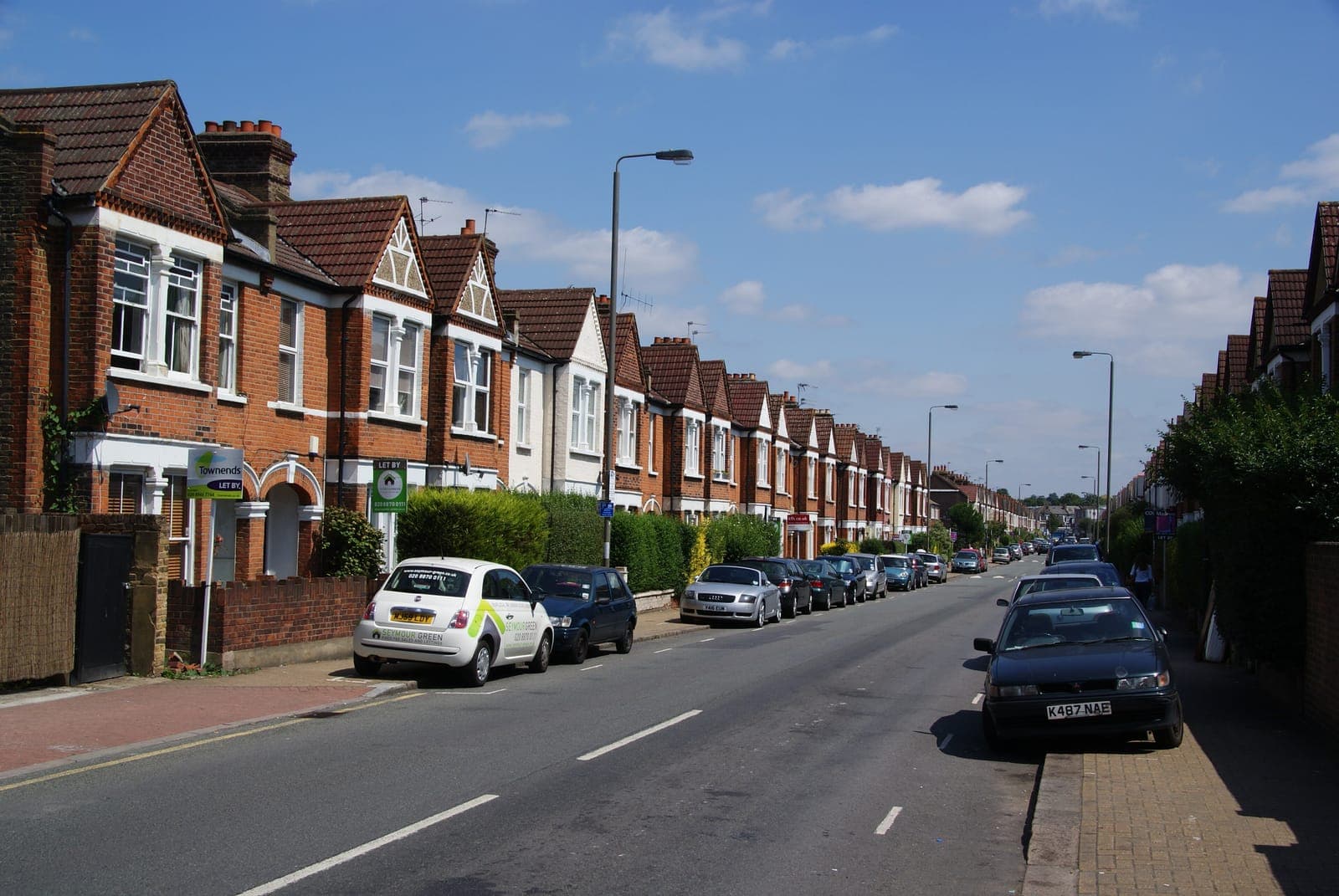 ResidentialLondon homes
 London, United Kingdom
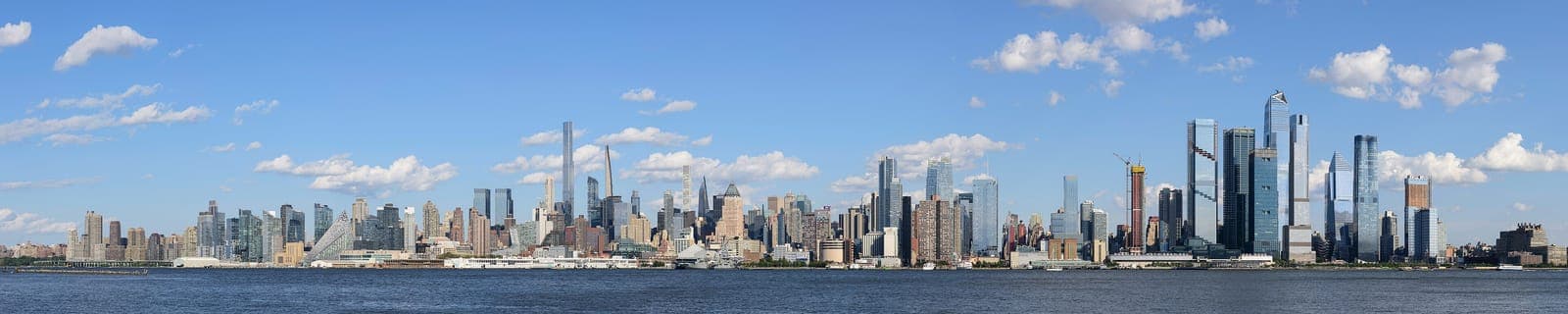 ResidentialNew York condominiums
 New York, United States
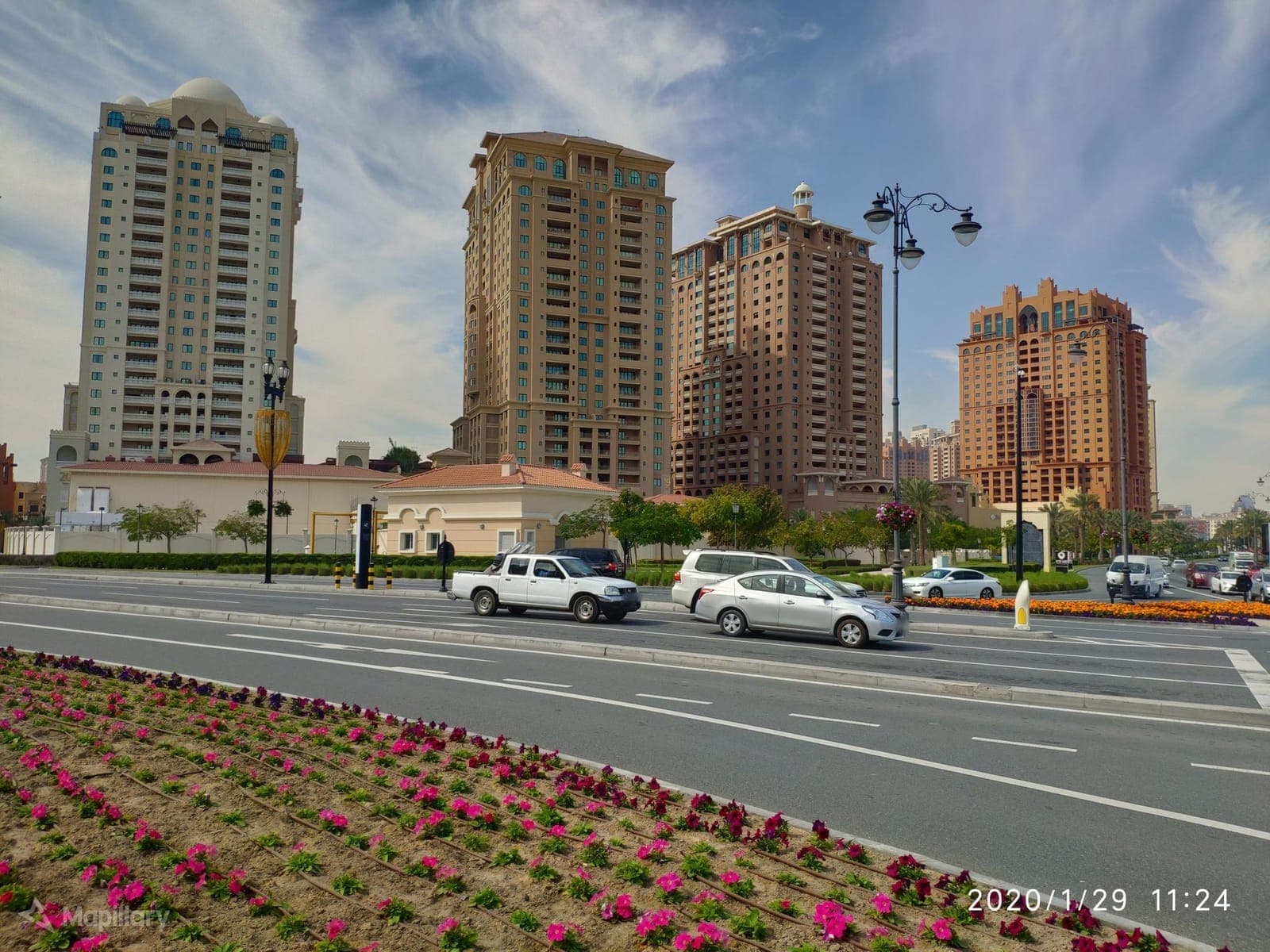 ResidentialDoha freehold homes
 Doha, Qatar
Photo credits
- Terraced houses on Penwith Road — Bill Boaden, CC BY-SA 2.0
- Queens Quay and York Street at the Toronto Waterfront. The CN Tower view will soon be blocked by a new condo tower currently under construction. — Dillan Payne, CC BY-SA 4.0
- Pearl Boulevard-Medina Avenue intersection in The Pearl-Qatar. — km2bp @ Mapillary.com, CC BY-SA 4.0
- Ten-segment panorama of Midtown Manhattan, New York City, as viewed from Weehawken, New Jersey. — King of Hearts, CC BY-SA 4.0