Bee Haven International

Qatar

Qatar Investment & Residence Programs

Six residence routes for property investors, business owners, founders, executives, professionals and long-term residents — with requirements, fees and recent changes checked against official Ministry of Interior and Qatari government sources.

  • Official & updated informationVerified 19 October 2026
  • Family includedSpouse and children on most routes
  • Multiple pathwaysProperty, business, founders & professionals
  • Based on Qatari residence lawMinistry of Interior, Ministry of Justice, Aqarat & MOCI sources

Under legal review

This guide is being reviewed by a lawyer qualified in Qatar. Rules and fees were checked against official Qatari government sources (the Ministry of Interior, the Ministry of Justice, Aqarat, the Ministry of Commerce and Industry, Invest Qatar and the Qatar Financial Centre) on 19 October 2026, but please confirm the details for your situation with an advisor before acting on them.

Visa & investment programs

Choose your Qatar pathway

Six routes for property investors, business owners, founders, executives, professionals and long-term residents. Open any program for its complete, source-referenced details.

Compare all programs
  • Property residence

    Residence for Property Owners (QAR 730,000)

    Own property worth at least QAR 730,000 in a designated area and hold residence without a sponsor

    • Property worth at least QAR 730,000
    • Residence without an employer or sponsor
    • Owner and family for as long as you own it
    • At least 90 days a year in Qatar
  • Permanent residence

    Qatar Permanent Residency Card

    Permanent residence for long-term legal residents and listed categories under Law No. 10 of 2018

    • 20 years’ legal residence if born abroad
    • 10 years if born in Qatar
    • Sufficient income, good conduct and Arabic
    • QAR 3,000 fee covering the family
  • Business & founders

    Entrepreneur and Executive Residency (Invest Qatar)

    Self-sponsored residence for incubator-endorsed founders and employer-nominated senior executives

    • Founders endorsed by a Qatari incubator
    • Executives nominated by a qualifying employer
    • Self-sponsored, renewable residence
    • Launched February 2026 — details still evolving

Why choose Qatar

Residence without a sponsor through property, up to 100% foreign ownership of your own company, and a permanent residency card for long-term residents.

  • Residence by propertyProperty worth QAR 730,000 or more gives residence without a sponsor.
  • Permanent-resident privilegesFrom QAR 3,650,000, owners also receive permanent-resident privileges in health, education and investment.
  • Family includedOn the property routes, owners also obtain residence for their family.
  • Official sourcesEvery rule and fee links to the Ministry of Interior, Ministry of Justice, Aqarat or MOCI.

Understand your options

Four kinds of Qatar residence

The right route depends on whether you will buy property, run a business, take a job or have already lived in Qatar for many years. Only the permanent residency card is a permanent status, and none of the routes is citizenship.

  • Residence through property ownership

    Own real estate worth at least QAR 730,000 in the areas open to foreigners to live in Qatar without a sponsor; from QAR 3,650,000 you also receive the privileges of permanent residents. Both require at least 90 days a year in Qatar.

  • Permanent residency card

    Qatar’s permanent status under Law No. 10 of 2018, mainly for people with 20 years’ legal residence (10 if born in Qatar) and for family and service categories. It is discretionary and cannot be bought.

  • Business, founder and executive residence

    Residence as the investor in your own mainland or QFC company with up to 100% foreign ownership, or through the 2026 entrepreneur and executive residency categories. Renewable while you qualify.

  • Employment residence

    Residence sponsored by a Qatari employer after Ministry of Labour approval — the most common way to live in Qatar, with family residence above set salary levels.

Side by side

Compare the programs

Filter by what matters to you. Processing figures are shown only where an official source publishes them.

Showing 6 of 6 programs

Comparison of Qatar investment and immigration programs, verified 19 October 2026
ProgramClassificationInvestmentKey requirementsResidenceFamilyProcessing (verified)
Property 730kResidence for Property Owners (QAR 730,000)Property residenceProperty worth QAR 730,000+Registered ownership; 90 days a yearRenewable residence; permanent residence only under the separate 20-year ruleOwner’s familyVaries; not published
Property 3.65mProperty Owner Residence with Permanent-Residency Privileges (QAR 3,650,000)Property residenceProperty worth QAR 3,650,000+Registered ownership; 90 days a yearResidence with permanent-residency card privilegesOwner’s familyVaries; not published
PR CardQatar Permanent Residency CardPermanent residenceNone20 years’ legal residence (10 if born in Qatar); income, conduct, ArabicPermanent residency card (discretionary)Spouse and children up to 18Committee decision; not published
InvestorInvestor Residence through a Qatari Company (MOCI or QFC)Business & foundersNo fixed minimum; licence costsApproved activity; company licenceRenewable residence; permanent residence only under the 20-year ruleSpouse and children (salary/housing test)Company set-up about 2 days (MOCI); residence varies
Founder/ExecEntrepreneur and Executive Residency (Invest Qatar)Business & foundersNo fixed amount; US$10,000 / QAR 36,500 funds (founders)Incubator endorsement or employer nominationLong-term renewable residence (term to be confirmed)Executives: dependants; founders: to confirmNot published
EmploymentEmployment Residence for ProfessionalsEmploymentNoneJob offer; Ministry of Labour approvalRenewable residence; permanent residence only under the 20-year ruleSalary QAR 10,000 (or 6,000 + housing)Not published

Program details

Complete program information

Choose a program to see its overview, investment and eligibility rules, benefits, family options, documents, process, government fees, permanent residence pathway, legal considerations and FAQs.

Property residence

Program 1 of 6

Residence for Property Owners (QAR 730,000)

Own property worth at least QAR 730,000 in a designated area and hold residence without a sponsor

Category
Property residence
Investment
From QAR 730,000 in property
Residence
Renewable residence; permanent residence only under the separate 20-year rule
Last verified
19 October 2026

Complete program information

1. Program overviewPurpose, classification and who can apply

A non-Qatari who owns real estate (or its usufruct) worth at least QAR 730,000 in the areas open to foreign ownership can obtain residence in Qatar for themselves and their family without a sponsor, for as long as they keep the property. The Ministry of Justice and Aqarat require the owner to spend at least 90 days a year in Qatar. Invest Qatar and Aqarat describe the permit as five years, renewable.

Purpose: To open Qatar’s real-estate market to foreign buyers and let property owners live in Qatar without an employer sponsor.

Classification: Residence permit without a recruiter (sponsor) for owners and usufructuaries of real estate. Legal basis: Law No. 16 of 2018 on the regulation of non-Qatari ownership and use of real estate (amended by Law No. 1 of 2025), Council of Ministers Decision No. 28 of 2020 (Article 7), and Law No. 21 of 2015 on the entry, exit and residence of expatriates. Ownership is registered by the Ministry of Justice; Aqarat verifies the residency requirements; the residence permit is issued by the Ministry of Interior.

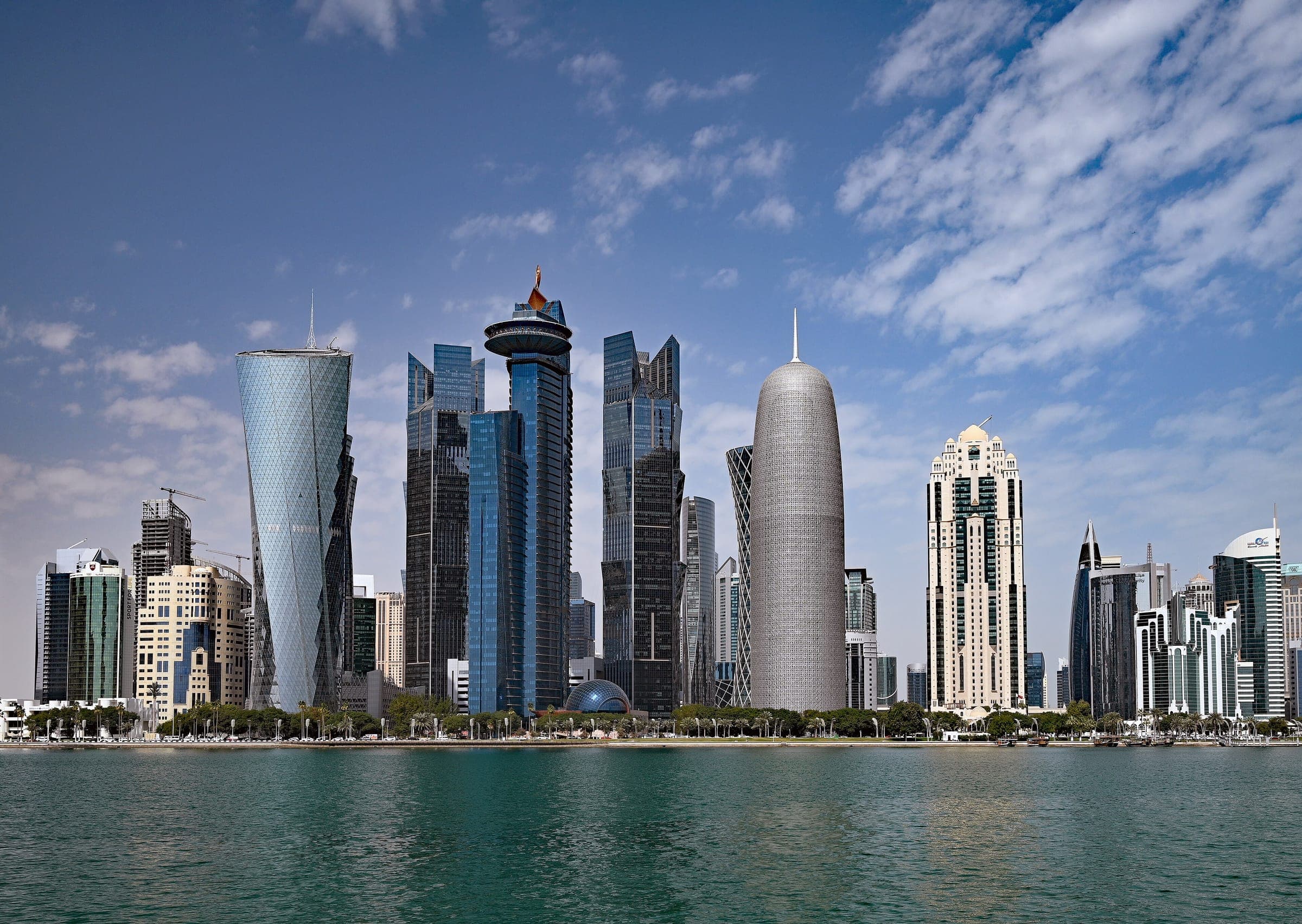
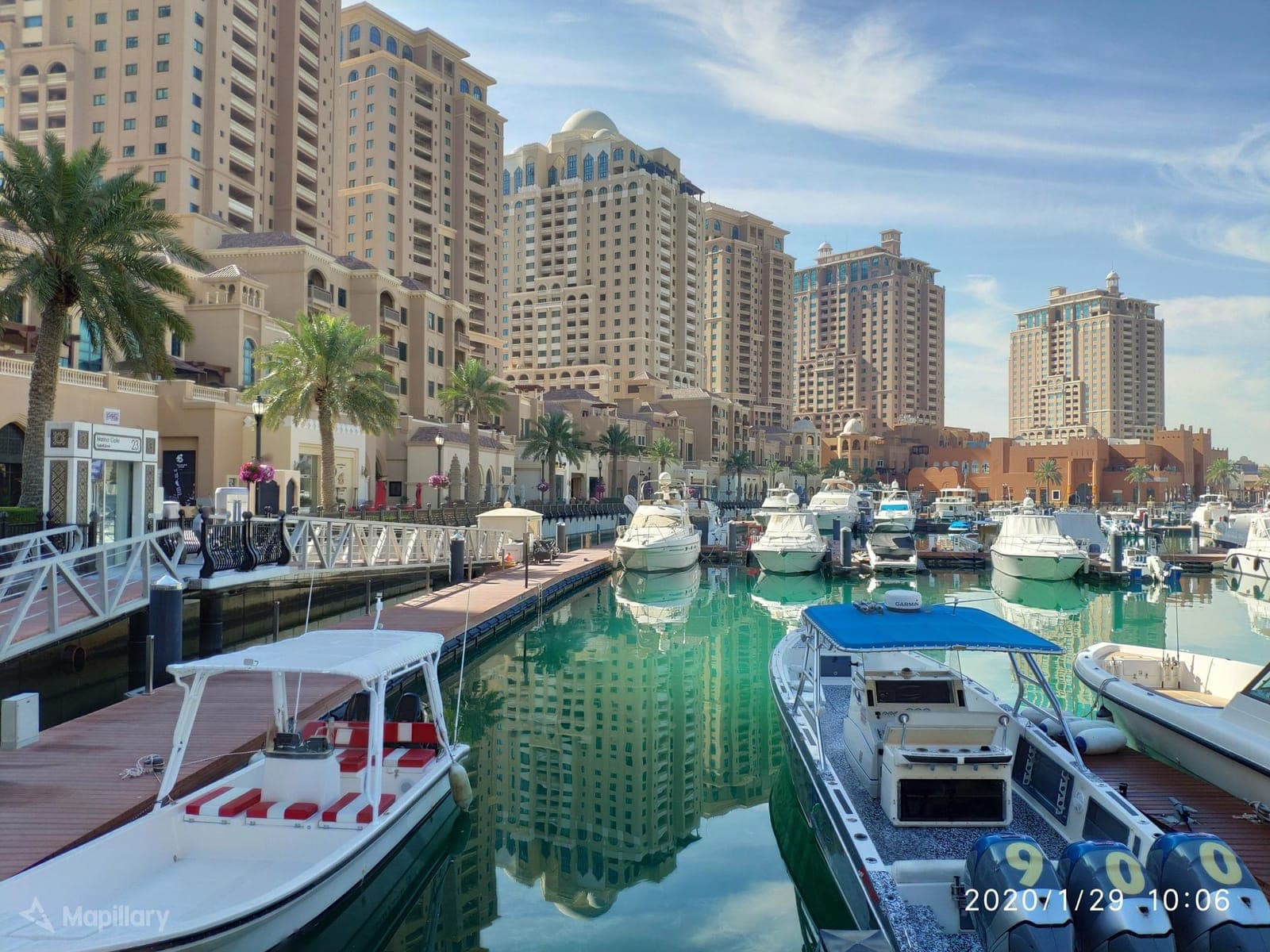
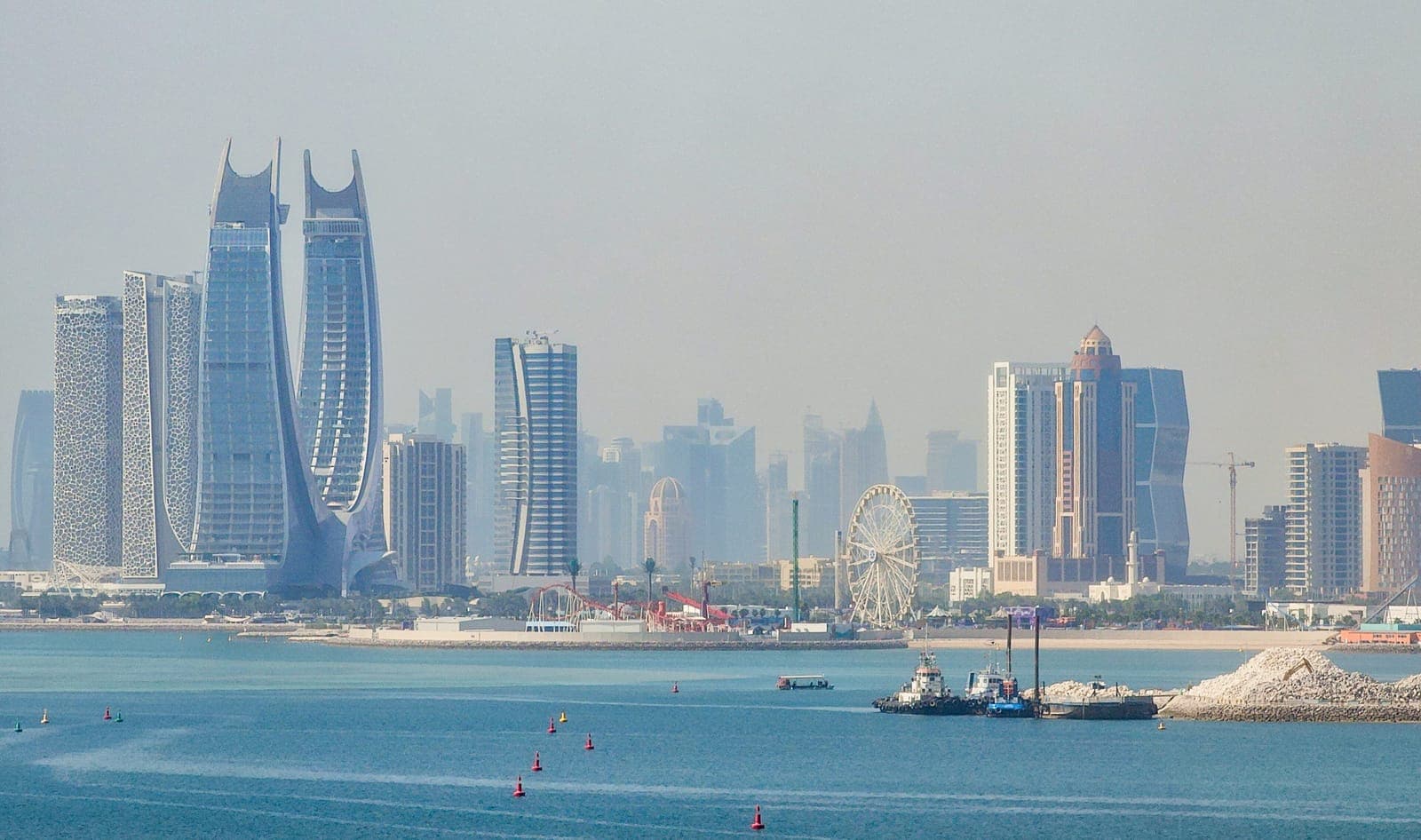
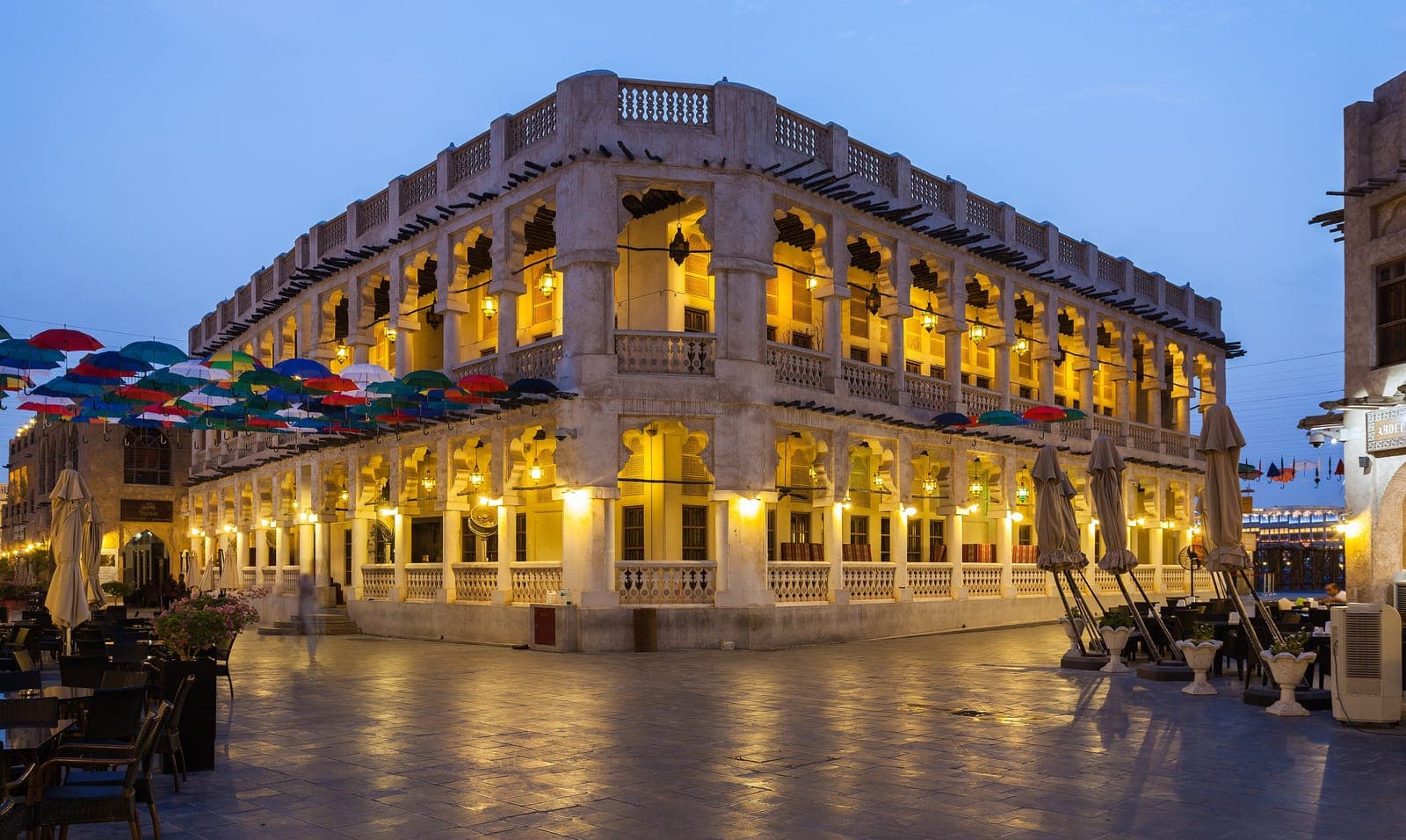
Business ownership: Under Council of Ministers Decision No. 28 of 2020, non-Qataris may own freehold property in 9 designated areas (including West Bay, The Pearl, Lusail, Al Khor Resort, Al Dafna areas 60 and 61, Onaiza, Al Kharaej and Jabal Thuaileb) and hold 99-year renewable usufruct rights in 16 further areas (including Msheireb, Fereej Abdulaziz, Al Sadd and the Doha International Airport area). Units in residential complexes and shops or offices in commercial complexes and malls may also be owned outside those areas, provided the unit’s nature or appearance is not changed.


Who can apply
  • Non-Qatari owners of freehold real estate, or holders of a usufruct right, in the designated areas, where the property is worth at least QAR 730,000.
  • Owners of a separate unit in a residential complex, or of shops or offices in commercial complexes and malls, where Decision No. 28 of 2020 allows such ownership.
  • The owner’s family members, as dependants of the owner’s residence.

Nationality requirements

The published criteria are not limited by nationality, and Pakistani nationals can apply if they meet them. Every application is subject to security checks and to the discretion of the Ministry of Interior. The Ministry of Interior lists Pakistan among the nationalities that can enter visa-free for short visits, subject to conditions (its visa FAQ requires Pakistani visitors to hold a valid credit card); a visit does not allow work, and residence is granted only through a qualifying route.

2. Investment requirementsAmounts, funds and business requirements
  • Minimum value: QAR 730,000 (about US$200,000) for the real estate or its usufruct (Decision No. 28 of 2020; Ministry of Justice; Invest Qatar).
  • The Ministry of Justice FAQ states that there is no limit on the number of properties a non-Qatari can own in freehold areas.
  • Off-plan purchases from developers are paid into an escrow account regulated by Aqarat.
  • Whether several properties, mortgaged property or off-plan units can be combined to reach the QAR 730,000 threshold is not stated clearly on the official pages found — confirm before you buy.
3. Eligibility criteriaWhat you must show to qualify
  • Own (or hold the usufruct of) qualifying real estate worth at least QAR 730,000, registered with the Ministry of Justice.
  • Reside in Qatar for at least 90 days a year, continuously or intermittently (Decision No. 28 of 2020; Ministry of Justice FAQ; Aqarat FAQ).
  • Keep the property: the residence lasts for the period of ownership.
  • Pass the Ministry of Interior medical examination, fingerprinting and security checks.
4. Key benefitsThe main advantages of this route
  • Residence without an employer sponsor.
  • One of the lowest property thresholds for residence in the Gulf region.
  • Family can be included for as long as you own the property.
  • Freehold ownership in established areas such as The Pearl, West Bay and Lusail.
5. Family eligibilitySpouse and children
  • The Ministry of Justice states that owners obtain residence for themselves and their family, without a sponsor, for the duration of ownership.
  • Children aged 6–18 must be enrolled in a licensed school in Qatar (or show enrolment abroad) for their residence to be issued or renewed (Ministry of Interior rules, December 2023).
  • Which relatives count as ‘family’ for this route is not defined on the official pages found; confirm with the Ministry of Interior.
6. Required documentsTypical supporting evidence
  • Valid passport and personal photograph.
  • Registered title deed or usufruct certificate from the Ministry of Justice, or the registered sale contract for an off-plan unit.
  • Evidence of the property’s value (purchase contract or valuation accepted by the authorities).
  • Source-of-funds evidence for the purchase (anti-money-laundering checks apply to real-estate transactions).
  • Family members: marriage and birth certificates, attested and translated into Arabic where required.

The exact evidence depends on your case and the current form instructions. Documents in other languages need certified English translations.

7. Application processStep-by-step procedure and official forms
  1. 1

    Choose a qualifying property

    Pick a freehold or usufruct property in a designated area (or a permitted unit in a residential or commercial complex) from a licensed developer or broker listed by Aqarat, and check its value against the threshold.

  2. 2

    Ownership approval and purchase

    Obtain ownership approval and sign the purchase agreement; off-plan payments to a developer go through an escrow account regulated by Aqarat.

  3. 3

    Register the title

    Register the sale with the Ministry of Justice Real Estate Registration Department (the Pearl or Lusail offices for non-Qatari ownership) and pay the registration fee.

  4. 4

    Request real-estate residency

    Apply to Aqarat (or authorise your developer) to verify that the residency requirements are met; the file is then passed for the residence permit.

  5. 5

    Residence permit (QID)

    Complete the Ministry of Interior steps — entry visa if outside Qatar, medical examination and fingerprints — to receive the residence permit and Qatar ID. Approval is never guaranteed.

  6. 6

    Family and the 90-day rule

    Apply for your family’s residence and keep spending at least 90 days a year in Qatar (continuous or intermittent).

8. Government fees and processing timesFiling fees, official processing data and validity
Government fees
Government fees for Residence for Property Owners (QAR 730,000)
FeeAmount (QAR)
Title registration on a salePaid by the buyer under the Real Estate Registration Law, as stated in the Ministry of Justice real-estate FAQ. Ministerial Decision No. 5 of 2026 changed several registration fees — confirm the current sale rate before budgeting.0.25% of the contract price
Mortgage registrationReduced from 0.25% by Ministerial Decision No. 5 of 2026 (Ministry of Justice, January 2026).0.025% of the secured debt
Property ownership statement / certificateReduced from QAR 100 in 2026 (QNA report of the Ministry of Justice decision).50
Residence permit, medical and ID feesShown at payment in Metrash2 or at the service centre; no consolidated official schedule was found.Set by the Ministry of Interior

Government fees only, from Ministry of Justice sources. Developer, broker, valuation, service-charge and legal costs are set privately. Residence-permit, medical and Qatar ID fees are charged by the Ministry of Interior and shown at payment. Always confirm the amount shown when you pay.

Processing time
  • No official processing time is published for real-estate residency; it depends on the registration, Aqarat verification and Ministry of Interior steps. Check the Aqarat investor journey for the current procedure.

Source: Investor journey — Real Estate Regulatory Authority (Aqarat) (opens in a new tab) · verified 19 October 2026

Validity & renewal
  • Residence is granted for the period of ownership; Aqarat and Invest Qatar describe a five-year permit, renewable.
  • The 90-day annual residence requirement must be met to keep the status.
9. Residence & permanent residence pathwayRoute to permanent residence
Renewable residence; permanent residence only under the separate 20-year rule

This route gives renewable residence, not permanent residence. Qatar’s permanent residency card (Law No. 10 of 2018) has its own conditions, including 20 years’ legal residence for applicants born abroad, and is granted at the authorities’ discretion; whether years spent as a property-owner resident count should be confirmed. Owners of property worth QAR 3,650,000 or more receive the privileges of permanent-residency card holders (see the next route). Qatari nationality requires 25 consecutive years’ residence and is capped at 50 grants a year.

11. Frequently asked questionsAnswers and official Qatari government references
Does the property have to be in a particular area?

Yes. Freehold ownership is allowed in 9 designated areas and 99-year usufruct in 16 more, under Decision No. 28 of 2020. Units in residential complexes and commercial units in malls can also be owned elsewhere, subject to conditions.

Do I have to live in Qatar?

You must spend at least 90 days a year in Qatar, continuously or intermittently, according to the Ministry of Justice and Aqarat.

Can I work on this residence?

The residence itself is for the owner and family. To take a job you need a work permit; the Ministry of Labour issues work permits to people already resident in Qatar, including investors and family-sponsored residents.

Official Qatari government references

Last legally verified: 19 October 2026.

How it works

The application journey

The main stages are similar across programs; timing and forms differ by route.

  1. STEP 1

    Initial consultation

    Discuss your goals, family, budget and background with an advisor.

  2. STEP 2

    Eligibility assessment

    Check your property budget, business plan, job offer or residence history against each route’s published criteria.

  3. STEP 3

    Prepare & invest

    Buy the property, set up the company or secure the job or incubator endorsement, and prepare source-of-funds, attested and Arabic-translated documents.

  4. STEP 4

    Approvals

    Obtain the route’s approval: Ministry of Justice registration and Aqarat verification, MOCI or QFC licensing, incubator or employer nomination, or Ministry of Labour recruitment approval.

  5. STEP 5

    Entry visa & residence application

    Apply through the Ministry of Interior (Metrash2 or its website); Pakistani applicants can complete some steps at a Qatar Visa Centre in Pakistan.

  6. STEP 6

    Medical test & Qatar ID

    Complete the medical examination and fingerprints; the Ministry of Interior then decides — approval is never guaranteed.

  7. STEP 7

    Sponsor family & maintain

    Sponsor your family and keep meeting the route’s conditions, such as the 90-day annual stay for property owners, and renew on time.

Costs & fees

Qatar government fees by program

Fees published by the Ministry of Interior, the Ministry of Justice, MOCI and the QFC, verified 19 October 2026. Residence-permit fees are shown at payment; professional, legal and business costs are separate.

Government fees by program
ProgramFeeAmount (QAR)
Property 730kTitle registration on a salePaid by the buyer under the Real Estate Registration Law, as stated in the Ministry of Justice real-estate FAQ. Ministerial Decision No. 5 of 2026 changed several registration fees — confirm the current sale rate before budgeting.0.25% of the contract price
Mortgage registrationReduced from 0.25% by Ministerial Decision No. 5 of 2026 (Ministry of Justice, January 2026).0.025% of the secured debt
Property ownership statement / certificateReduced from QAR 100 in 2026 (QNA report of the Ministry of Justice decision).50
Residence permit, medical and ID feesShown at payment in Metrash2 or at the service centre; no consolidated official schedule was found.Set by the Ministry of Interior
Property 3.65mTitle registration on a salePaid by the buyer under the Real Estate Registration Law, as stated in the Ministry of Justice real-estate FAQ. Ministerial Decision No. 5 of 2026 changed several registration fees — confirm the current sale rate before budgeting.0.25% of the contract price
Mortgage registrationReduced from 0.25% by Ministerial Decision No. 5 of 2026 (Ministry of Justice, January 2026).0.025% of the secured debt
Property ownership statement / certificateReduced from QAR 100 in 2026 (QNA report of the Ministry of Justice decision).50
Residence permit, medical and ID feesShown at payment in Metrash2 or at the service centre; no consolidated official schedule was found.Set by the Ministry of Interior
PR CardPermanent residency cardNon-refundable; includes all family members; paid by debit or credit card after final approval (Ministry of Interior FAQ).3,000
InvestorInvest in Qatar Center reviewMOCI states that the Center itself charges no fee.0
Comprehensive company establishment (MOCI Single Window)From the 2026 MOCI/Invest Qatar set-up guide; older MOCI material shows lower individual fees. Confirm on the Single Window before paying.About 2,200
QFC application feeStandard application fee (DNFBP applications US$2,000), as listed by the QFC. Charged in US dollars.US$500
QFC annual licence feeFor a single licensed activity, plus US$50 per additional activity. Some qualifying digital and fintech firms can receive a first-year waiver.US$5,000 a year
Residence permit, medical and ID feesShown at payment; no consolidated official schedule was found.Set by the Ministry of Interior
Founder/ExecApplication feeNo government fee for these categories was found on an official page. Residence-permit, medical and ID fees are charged by the Ministry of Interior.Not published
EmploymentWork visa, residence permit and Qatar IDUsually paid by the employer; shown at payment in Metrash2. No consolidated official schedule was found.Set by the Ministry of Interior

FAQs

Frequently asked questions

Program-specific questions are answered in each program’s details above.

Ask an advisor
Does any Qatar route lead to permanent residence or citizenship?

Qatar has a permanent residency card under Law No. 10 of 2018, mainly for people with 20 years’ legal residence (10 if born in Qatar) and for family and service categories; it is discretionary. Owning property worth QAR 3,650,000 or more gives the privileges of card holders in health, education and investment. There is no citizenship by investment: naturalisation requires 25 consecutive years’ residence, is decided by Emiri decree and is capped at 50 grants a year.

Does buying property give me a Qatar residence permit?

Yes, if the property (or its usufruct) is worth at least QAR 730,000 and is in an area open to non-Qatari ownership. You must spend at least 90 days a year in Qatar, and the residence lasts while you own the property. From QAR 3,650,000 you also receive the privileges of permanent residency card holders.

Can Pakistani nationals apply?

Yes. The published criteria for the property, business, entrepreneur, employment and permanent residence routes are not limited by nationality. The Ministry of Interior lists Pakistan among the nationalities that can enter visa-free for short visits, subject to conditions such as holding a valid credit card, but a visit does not allow work or residence. For employment, Qatar Visa Centres in Pakistan handle contract signing, medical tests and fingerprints. Every application is subject to security checks and the authorities’ discretion.

Are approvals or timelines guaranteed?

No. Residence permits are granted by the Ministry of Interior on the merits of each application, and the permanent residency card is decided by a committee at its discretion. Be cautious of anyone offering ‘guaranteed’ residence or permanent residency.

Can my spouse work?

Family members on a residence permit can work once they obtain a work permit; the Ministry of Labour issues work permits to people residing in Qatar under family sponsorship.

What is the 90-day rule for property owners?

Property owners who obtain residence through the QAR 730,000 or QAR 3,650,000 routes must reside in Qatar for at least 90 days a year, continuously or intermittently, according to the Ministry of Justice and Aqarat.

Do I need a Qatari lawyer?

Complex cases — company structures, off-plan or mortgaged property, family sponsorship or previous refusals — should be reviewed with a lawyer qualified in Qatar. Bee Haven International is a consultancy, not a law firm, and this page is general information, not legal advice.

Qatar consultation

Your details

Your plans

Program rules, eligibility, investment thresholds and immigration requirements may change. Information is for general guidance and does not constitute legal, immigration, tax or investment advice.

Property & real estate

Property in Qatar

Qatar permits non-Qatari ownership in designated areas and links certain property purchases to residency.

Property market

The Pearl-Qatar, Lusail and West Bay are the principal freehold districts.

Foreign ownership

Ownership permitted in designated areas.

Investment consultancy

Investor information

Supply in freehold zones has grown significantly following the World Cup.

No published opportunities in Qatar right now.

Taxes & costs

Registration fees apply; there is currently no annual property tax for individuals.

Buying process

  1. Consultation — define objectives, budget and timeline with a Bee Haven advisor.
  2. Shortlisting — review verified listings, developer track records and comparable prices.
  3. Due diligence — independent legal review of title, permits and contracts.
  4. Reservation & agreement — reservation deposit and sale & purchase agreement.
  5. Payment & registration — funds transfer through regulated channels and title registration.
  6. After-sale — property management, leasing and resale support.

Sources reviewed 15 Sept 2026: www.moj.gov.qa. Always confirm current rules with qualified local advisors.