

Bee Haven International

Agriculture & farmland

Agriculture & Farmland Advisory

Buying farmland, orchards and vineyards, or investing through agricultural funds and agribusiness: how returns are made, the rules for foreign owners in Australia, the US, Canada, Italy, Türkiye and Pakistan, and the environmental and operational risks.

Returns
Crop or rental income, plus any change in land value
Horizon
Long term: land is usually held for 10 years or more
Liquidity
Low for land; higher for listed agribusiness and REITs
Rules
Many countries screen or limit foreign buyers

How it works

Ways to invest

The main ways investors get exposure to this asset class, from the simplest to the most hands-on.

  • Buy and lease farmland

    Own the land and lease it to an experienced farmer for rent. Lower operating risk than farming yourself, with income from the lease.

  • Owner-operated farms

    Run the farm yourself or through a manager, taking the full crop and price risk and reward.

  • Orchards, vineyards and plantations

    Permanent crops such as olives, dates, citrus or grapes take years to mature but can produce for decades.

  • Farmland funds and REITs

    Funds and listed REITs that own portfolios of farmland, giving diversification without managing land yourself.

  • Agribusiness shares

    Listed companies in food production, processing, equipment and inputs, traded on stock markets.

  • Managed plantation schemes

    Schemes selling individual trees or plots with promised returns. Treat with great caution; many have failed or been fraudulent.

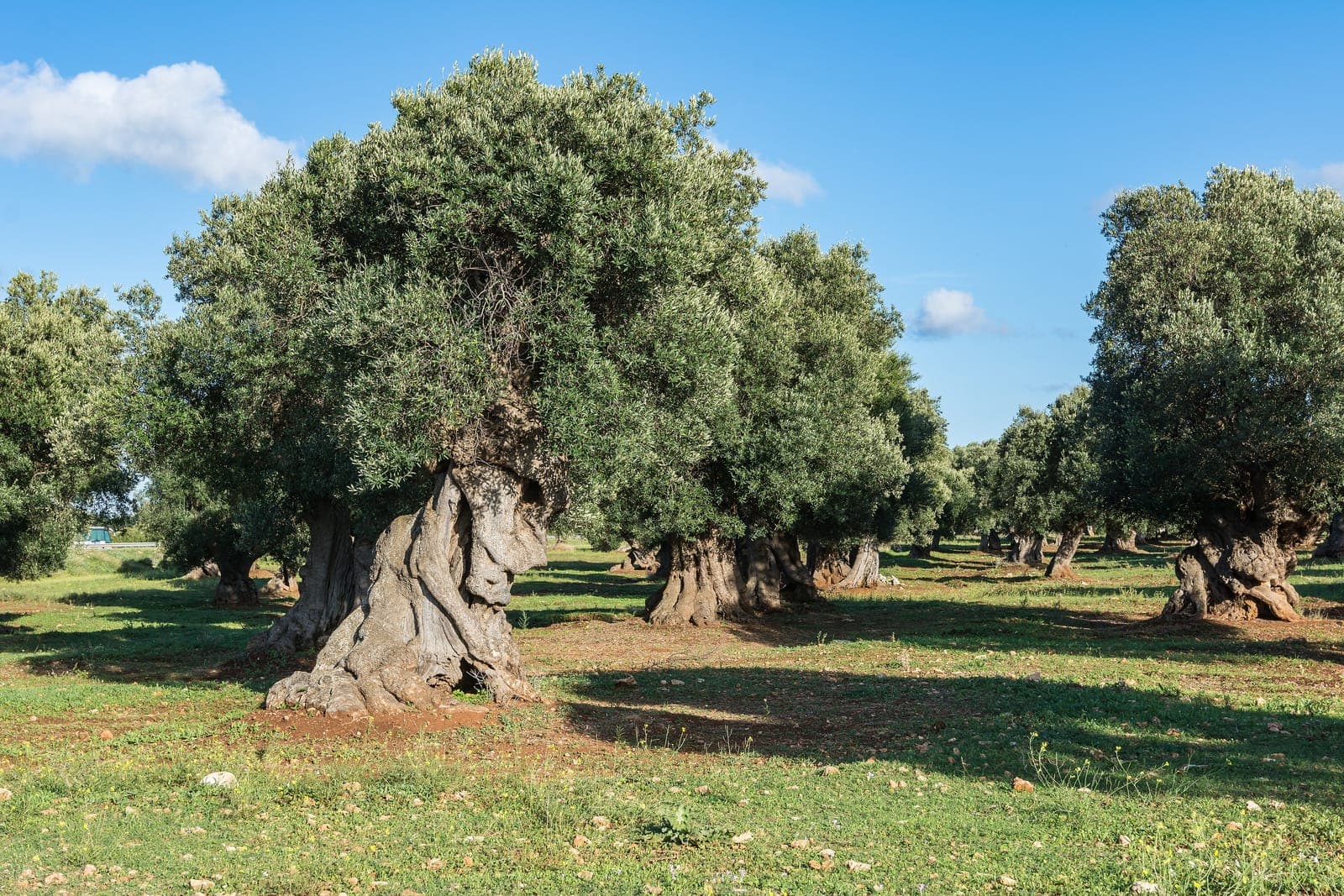
A centuries-old olive grove near Ostuni, Puglia
Permanent crops such as olives can produce for generations, but take years to mature

Benefits and risks

What you can gain, and what can go wrong

Returns are never guaranteed. Weigh both columns against your goals, timeline and other holdings.

Potential benefits

  • A real, productive asset

    Land produces food and income, and its supply is limited.

  • Inflation link

    Land values and rents have tended to rise with food prices and inflation over long periods, though not every year.

  • Diversification

    Farmland returns have often moved differently from shares and bonds.

  • Food-security demand

    Growing populations and Gulf food-security strategies support long-term demand for agricultural output.

Key risks

  • Weather and climate

    Drought, floods, heat and disease can wipe out a season and reduce land value over time.

  • Water

    Access to water rights or groundwater can decide a farm’s viability; rules on water use are tightening in many regions.

  • Foreign ownership rules

    Screening, acreage limits and reporting duties apply to foreign buyers in many countries; breaches can void a sale or bring heavy penalties.

  • Commodity prices

    Crop and livestock prices swing with global markets, currencies and trade policy.

  • Illiquidity

    Selling farmland can take months or years, especially in remote areas.

  • Operational and fraud risk

    Managers, tenants and schemes promising fixed returns all need careful checks.

Countries and markets

Farmland rules for foreign buyers

Whether foreigners can own farmland, the approvals or reports required, typical investments, and whether a purchase leads to residence.

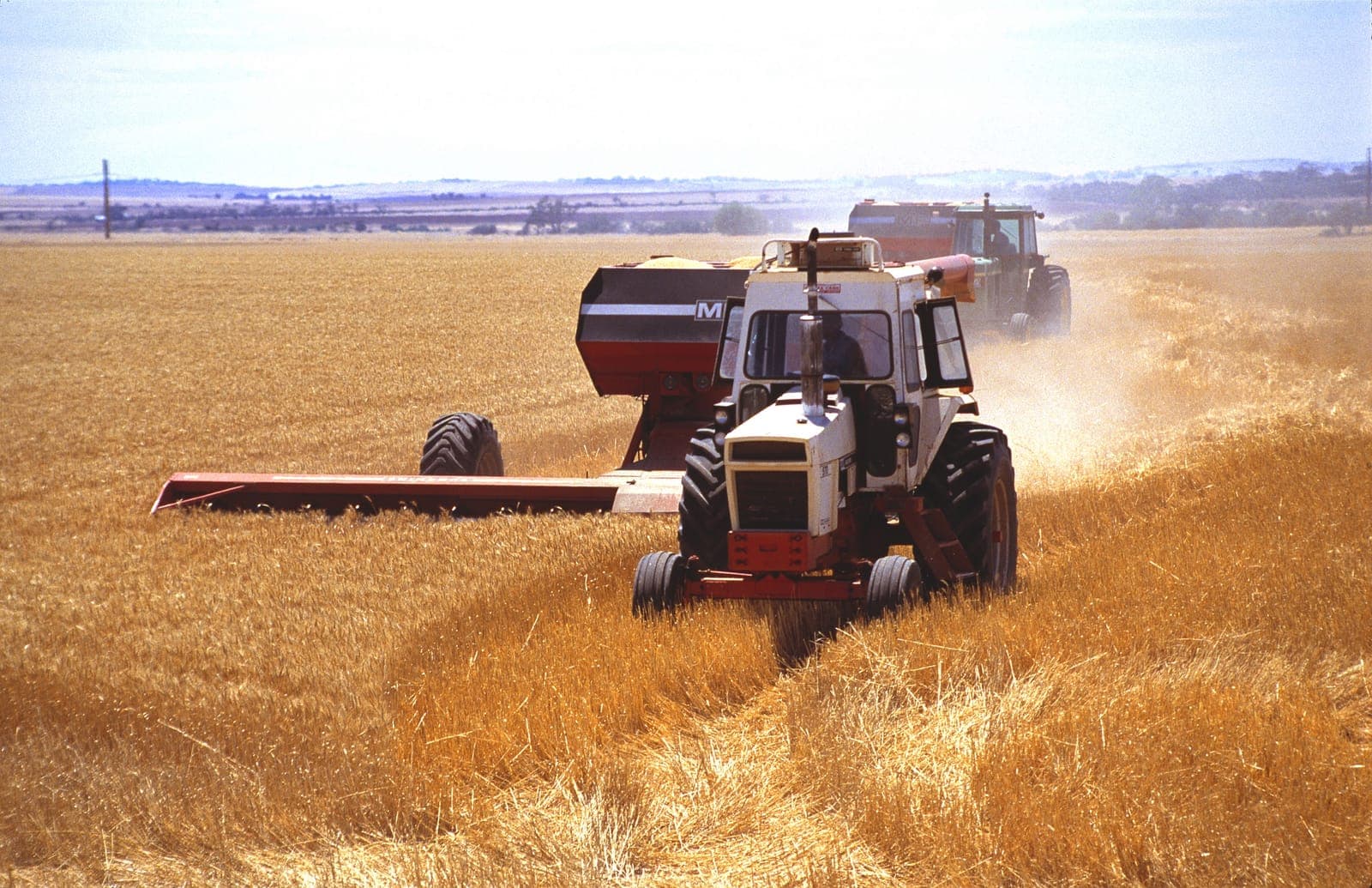
  • Harvesting wheat in South Australia

    Australia

    Australian farmland

    Open to foreign buyers, with screening above a threshold

    Foreign ownership
    Allowed, subject to foreign-investment screening
    Approval or reporting
    Approval generally needed above A$15 million of cumulative agricultural land (no threshold for foreign-government investors); interests registered with the ATO
    Typical investments
    Grain, livestock and horticulture farms; agricultural funds
    Residence link
    None: buying property gives no visa
    • Investors from some free-trade partner countries have different thresholds

    The A$15 million threshold counts all agricultural land you and your associates already hold.

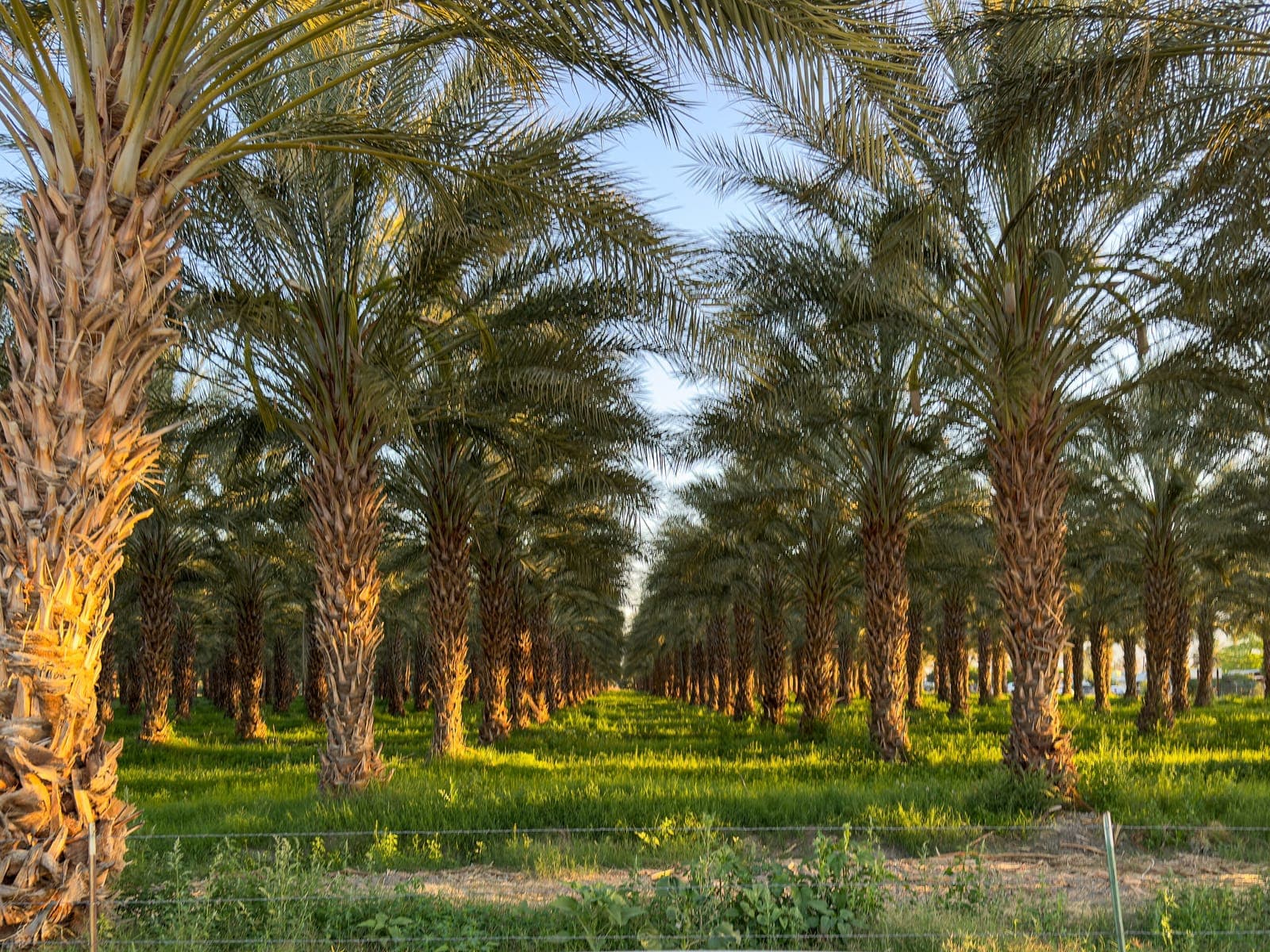
  • A date palm orchard in California

    United States

    US farmland

    Federal reporting for foreign owners; some states restrict purchases

    Foreign ownership
    Generally allowed under federal law; several states restrict foreign buyers
    Approval or reporting
    Report to the USDA within 90 days on Form FSA-153 (AFIDA); penalties up to 25% of the land’s value
    Typical investments
    Row crops, orchards, timber and farmland REITs
    Residence link
    None: buying US property gives no visa or green card
    • Holdings of 10 acres or more used for farming, ranching or timber must be reported

    State laws on foreign ownership have changed quickly; check the rules in the state where the land is.

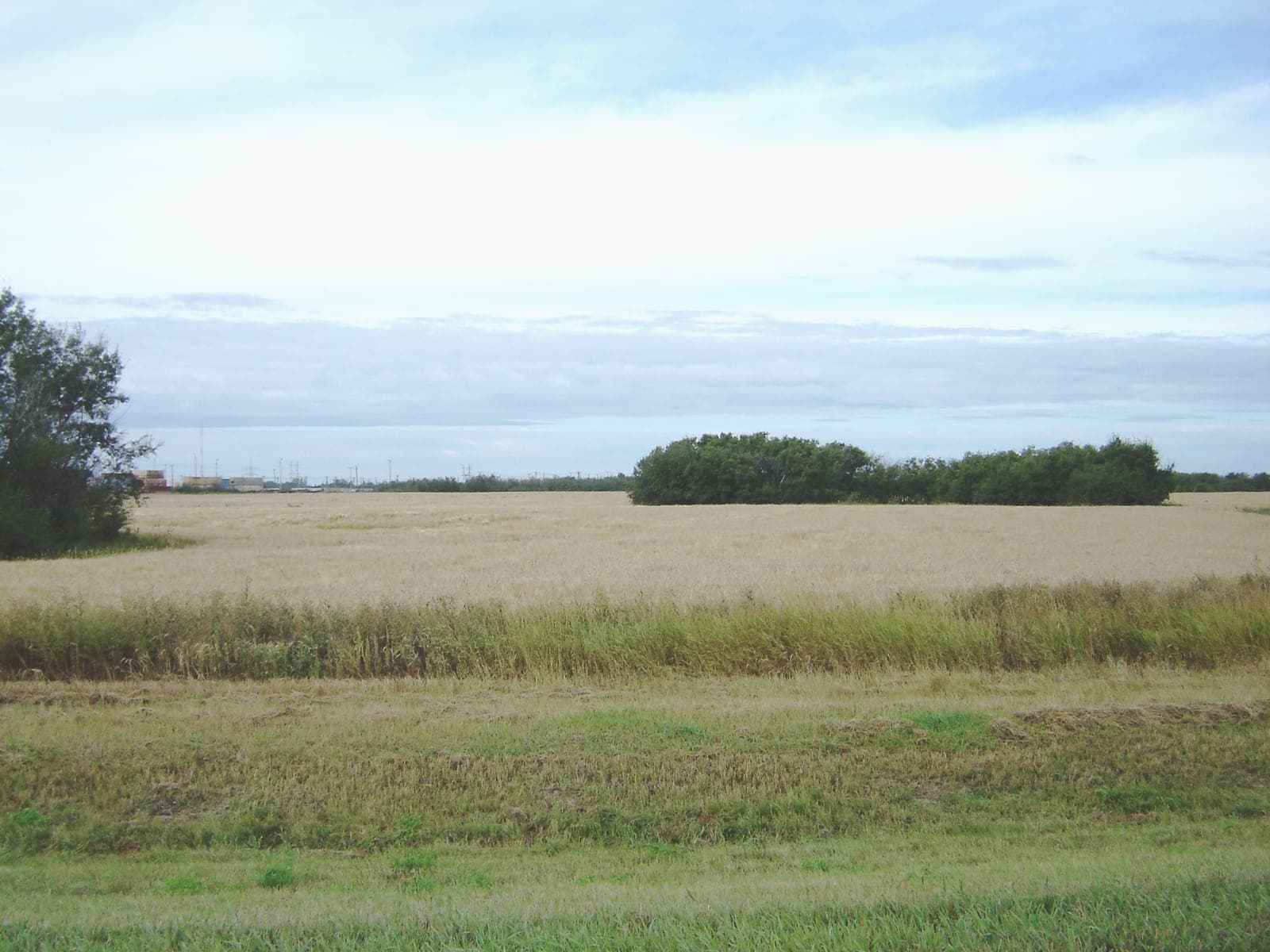
  • A farm near Saskatoon, Saskatchewan

    Canada

    Canadian farmland

    Rules are set province by province

    Foreign ownership
    Limited by province: for example Alberta caps foreign buyers at 20 acres and Manitoba non-residents at 40 acres
    Approval or reporting
    Provincial rules and exemptions; Quebec requires authorisation
    Typical investments
    Grain and oilseed farms, orchards, farmland funds
    Residence link
    None: buying property gives no visa
    • Saskatchewan restricts foreign ownership under the Saskatchewan Farm Security Act

    Provinces have been tightening rules; confirm the current limits with a local lawyer before any offer.

    Source: MLT Aikins
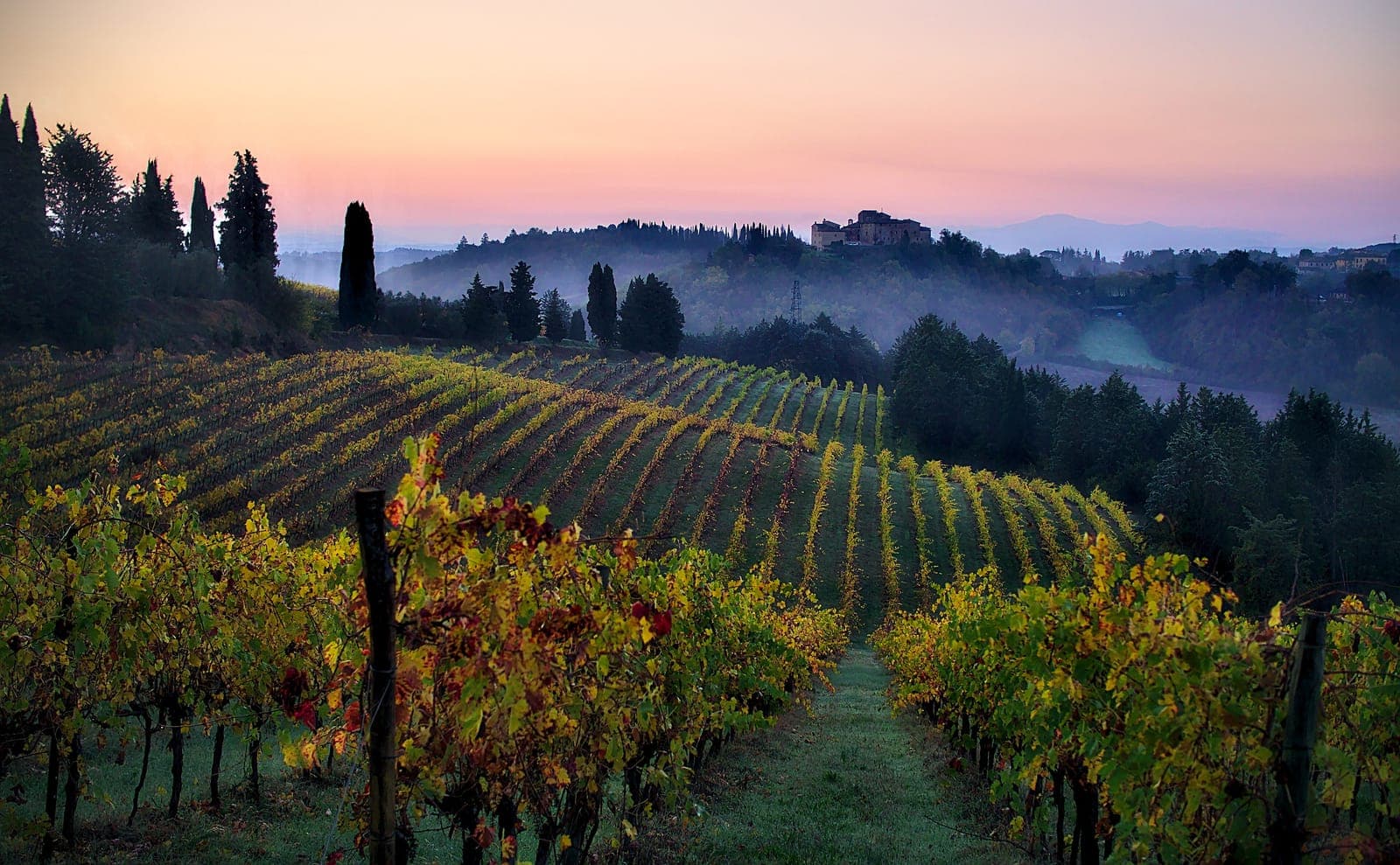
  • Vineyards in Tuscany

    Italy

    Italian vineyards and olive groves

    Non-EU buyers depend on reciprocity with their country

    Foreign ownership
    EU citizens freely; non-EU buyers subject to reciprocity with their home country
    Approval or reporting
    The notary checks reciprocity; purchases in breach can be void
    Typical investments
    Vineyards, olive groves and farm stays (agriturismo)
    Residence link
    None: buying property does not qualify for residence
    • Italy’s Investor Visa excludes real estate; its company and startup routes are separate

    Check reciprocity for your nationality before paying a deposit.

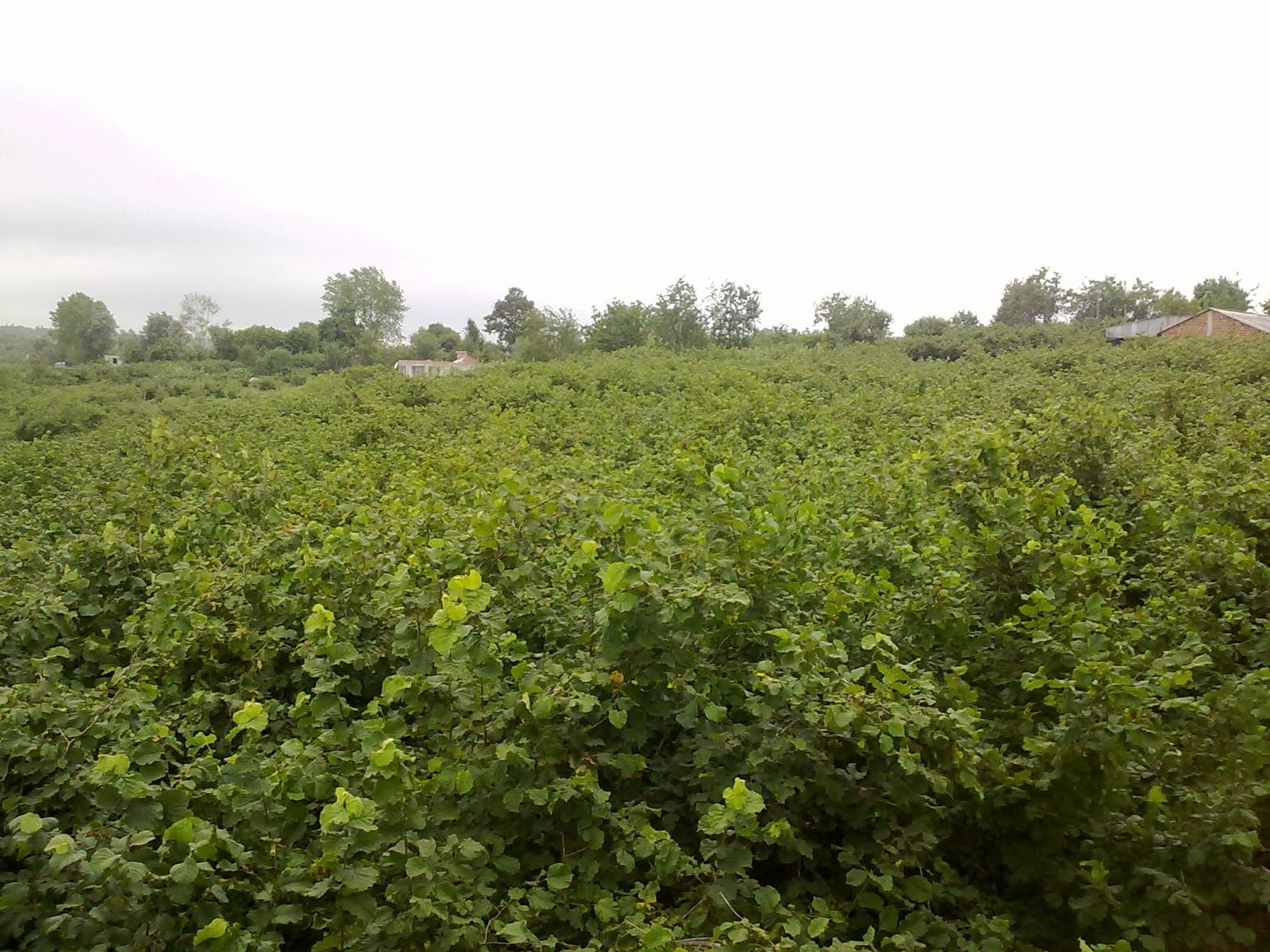
  • A hazelnut orchard near Kandıra, Türkiye

    Türkiye

    Turkish farmland and orchards

    Foreigners can own land within area limits

    Foreign ownership
    Foreign individuals up to 30 hectares, within 10% of a district’s private land, outside military zones
    Approval or reporting
    Registered at the land registry (TKGM), with security-zone checks
    Typical investments
    Olive groves, orchards and greenhouse farms
    Residence link
    Citizenship needs property of US$400,000+ with a building or condominium status; bare land does not qualify
    • A home worth US$200,000 or more that you live in can support a residence permit

    Agricultural land without a building cannot be used for citizenship by property.

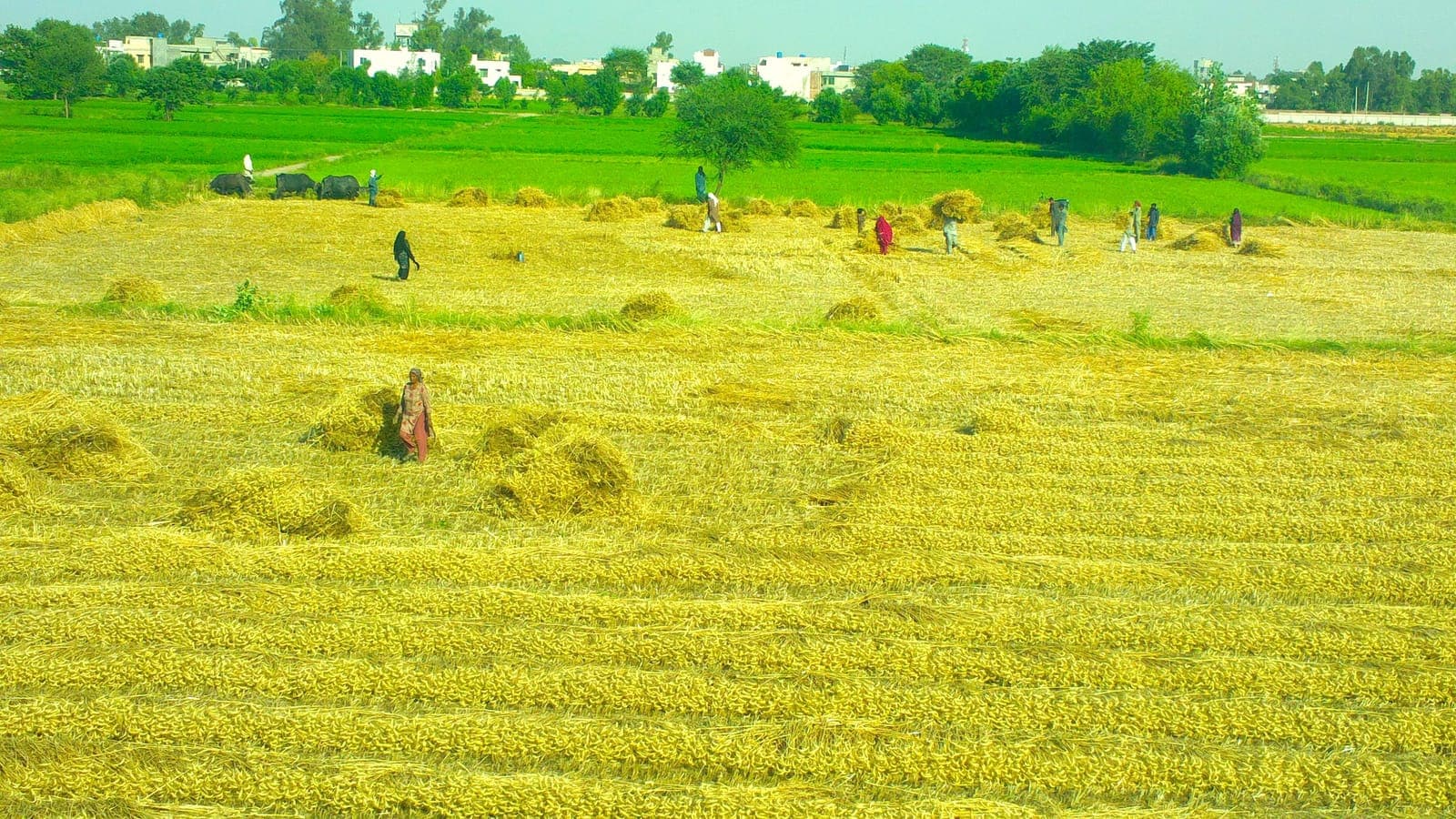
  • A wheat field in Punjab, Pakistan

    Pakistan

    Pakistani agriculture

    Agriculture is a priority sector for foreign investors

    Foreign ownership
    Through a Pakistani company registered with the SECP; provincial land rules apply
    Approval or reporting
    Company registration, security clearance and provincial approvals
    Typical investments
    Corporate farming, livestock and food processing
    Residence link
    Long Term Residency from US$50,000, with agriculture a priority sector
    • Investment brought in through banking channels can be repatriated

    Land titles and water rights need careful checks by a local lawyer.

Compare

Markets side by side

The same facts for every market, from official sources checked 24 October 2026.

Agriculture & Farmland Advisory: markets compared, verified 24 October 2026
MarketForeign ownershipApproval or reportingTypical investmentsResidence link
AustraliaAustralian farmlandAllowed, subject to foreign-investment screeningApproval generally needed above A$15 million of cumulative agricultural land (no threshold for foreign-government investors); interests registered with the ATOGrain, livestock and horticulture farms; agricultural fundsNone: buying property gives no visa
United StatesUS farmlandGenerally allowed under federal law; several states restrict foreign buyersReport to the USDA within 90 days on Form FSA-153 (AFIDA); penalties up to 25% of the land’s valueRow crops, orchards, timber and farmland REITsNone: buying US property gives no visa or green card
CanadaCanadian farmlandLimited by province: for example Alberta caps foreign buyers at 20 acres and Manitoba non-residents at 40 acresProvincial rules and exemptions; Quebec requires authorisationGrain and oilseed farms, orchards, farmland fundsNone: buying property gives no visa
ItalyItalian vineyards and olive grovesEU citizens freely; non-EU buyers subject to reciprocity with their home countryThe notary checks reciprocity; purchases in breach can be voidVineyards, olive groves and farm stays (agriturismo)None: buying property does not qualify for residence
TürkiyeTurkish farmland and orchardsForeign individuals up to 30 hectares, within 10% of a district’s private land, outside military zonesRegistered at the land registry (TKGM), with security-zone checksOlive groves, orchards and greenhouse farmsCitizenship needs property of US$400,000+ with a building or condominium status; bare land does not qualify
PakistanPakistani agricultureThrough a Pakistani company registered with the SECP; provincial land rules applyCompany registration, security clearance and provincial approvalsCorporate farming, livestock and food processingLong Term Residency from US$50,000, with agriculture a priority sector

Costs and taxes

Fees, taxes and ongoing costs

Costs reduce returns year after year. Tax depends on where you live as well as where you invest: confirm your position with a qualified tax adviser.

  • Purchase costs

    Land price plus transfer taxes, legal fees, surveys, and soil and water assessments.

  • Approval and reporting

    Foreign-investment applications, provincial approvals or federal reports, and their fees and deadlines.

  • Operating costs

    Seed, feed, fertiliser, labour, machinery, irrigation and insurance for owner-operated farms.

  • Management fees

    Farm managers, lease agents or fund managers charge for running or overseeing the land.

  • Taxes

    Land and property taxes, income tax on rent or profit, and tax on gains when you sell.

  • Water and environmental compliance

    Water entitlements, environmental permits and remediation can be significant costs.

Process

How to get started

Is it right for you?

  • Long-term investors seeking real assets
  • Those with access to trusted local management
  • Investors who accept weather and price risk
  • Anyone who may need to sell quickly
  • Investors attracted by plantation schemes promising fixed returns
  1. 1

    Define the approach

    Own and lease, operate, or invest through funds and listed companies.

  2. 2

    Check ownership rules

    Confirm foreign-ownership limits, approvals and reporting duties for the country, state or province.

  3. 3

    Assess the land

    Soil, water, climate, access, infrastructure and past yields, ideally with an agronomist.

  4. 4

    Due diligence

    Title, zoning, water rights, environmental issues and existing leases, checked by local lawyers.

  5. 5

    Arrange management

    Choose a tenant, farm manager or operator and agree terms.

  6. 6

    Complete and report

    Complete the purchase, then file any required reports, such as AFIDA in the US or the ATO register in Australia.

FAQs

Frequently asked questions

Can foreigners buy farmland?

In many countries yes, with conditions. Australia screens purchases above A$15 million of cumulative agricultural land, the US requires a report to the USDA within 90 days, Canadian provinces set their own limits, Italy applies reciprocity to non-EU buyers, and Türkiye limits foreign individuals to 30 hectares.

How does farmland make money?

Through rent from a farmer or profit from farming it, plus any rise in land value over time. Permanent crops such as olives or vines take years before they produce.

Does buying farmland give residence?

Generally not. Property purchases do not lead to residence in Australia, the US, Canada or Italy. Pakistan names agriculture a priority sector for investor residence, and in Türkiye only property with a building can count towards citizenship.

Are plantation investment schemes safe?

Be very careful. Schemes that sell individual trees or plots with promised fixed returns have often failed or been fraudulent. Check the operator’s licence, track record and legal title, and never rely on guaranteed-return claims.

Does Bee Haven sell farmland?

No. We provide independent guidance on markets, ownership rules, costs and risks, and help you prepare questions for local lawyers, agronomists, managers and fund providers.

Consultation

Talk it through with an adviser

We help you understand the options, costs and risks, compare markets, and prepare the questions for licensed providers in each country. We do not sell investment products.

Photo credits

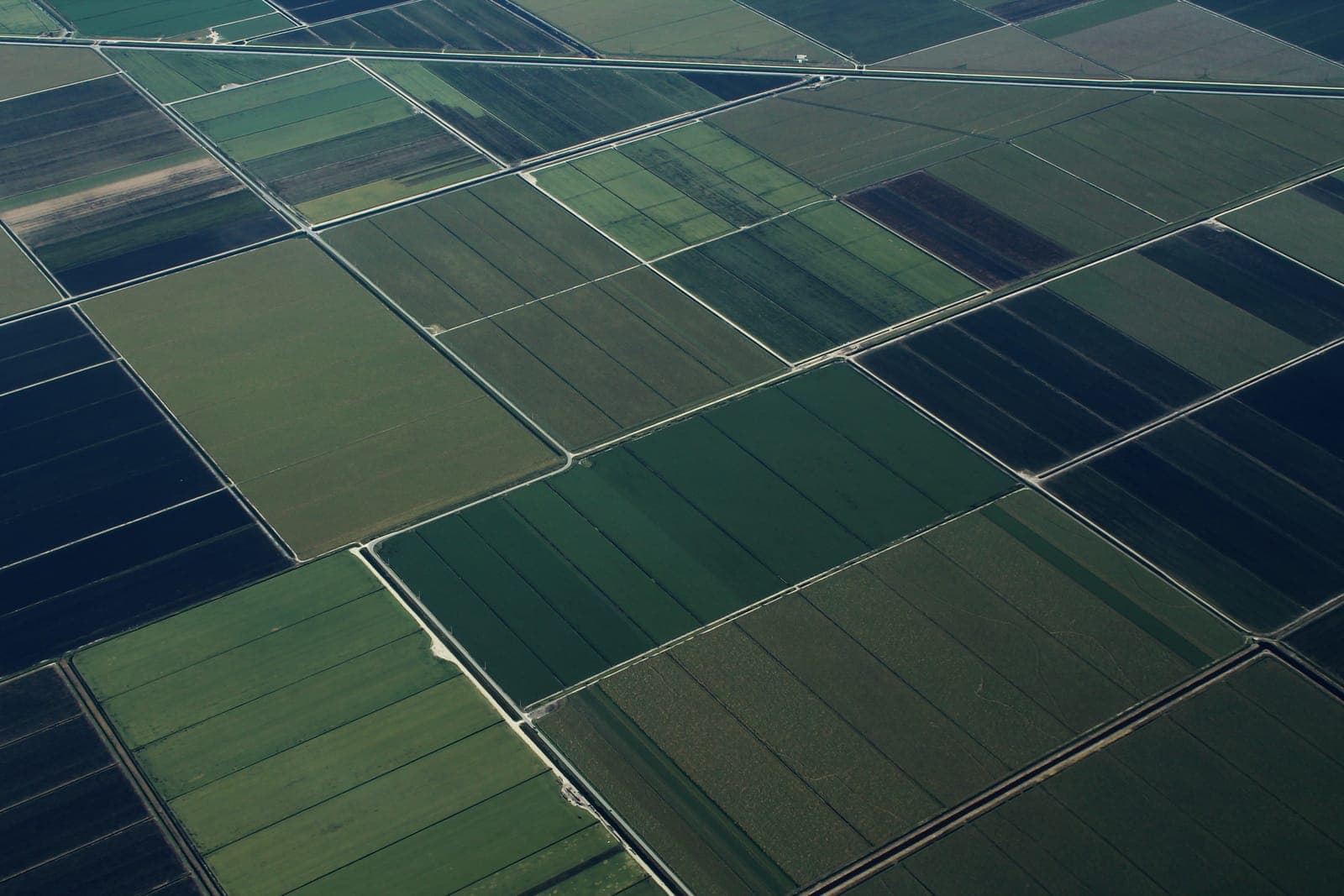
Aerial photo of Sod Fields and Farmland Along FL700: formulanone, CC BY-SA 2.0; This centuries-old olive grove is located in the comunity of: Isiwal, CC BY-SA 4.0; Vineyards in Ponte a Bozzone, Tuscany, Italy: https://www.flickr.com/photos/126875359@N03/, CC BY-SA 2.0; Hazelnut orchard near Karaağaç, Kandıra.: ERCAN URAL, CC BY 3.0; Harvesting wheat near Blyth in the mid north of South Austra: John Coppi, CSIRO, CC BY 3.0; This is a farm near Saskatoon, Saskatchewan displaying typic: Parihav at English Wikipedia, CC BY-SA 3.0; A wheat field in Punjab, Pakistan: AishaSaleemkhan100, CC BY-SA 4.0. Other photos public domain (CC0), Wikimedia Commons.