

Bee Haven International

Renewable energy & infrastructure

Renewable Energy & Infrastructure Advisory

Solar, wind and infrastructure investment: how projects earn money, the ways private investors take part, the government programmes driving new capacity in the Gulf, the UK, the US and Pakistan, and the risks of long-term projects.

Income
Long-term power or availability contracts
Horizon
Long: projects run for 20–30 years or more
Liquidity
High for listed funds; low for direct projects
Risk
Construction, policy, power-price and interest-rate risk

How it works

Ways to invest

The main ways investors get exposure to this asset class, from the simplest to the most hands-on.

  • Listed funds and investment trusts

    Shares in companies or trusts that own operating wind farms, solar parks and infrastructure, traded on stock exchanges.

  • Green bonds and sukuk

    Bonds whose proceeds fund eligible green projects, issued by governments, utilities and companies.

  • Infrastructure funds

    Private funds that build or buy portfolios of energy and infrastructure assets; usually for professional investors, with long lock-ups.

  • Direct project equity

    A stake in a specific project alongside a developer. Highest control and risk; needs specialist due diligence.

  • Solar for your own business

    Rooftop or on-site solar that cuts a company’s electricity costs, sometimes financed through a power purchase agreement.

  • Utility and developer shares

    Listed utilities and renewable developers that benefit from new capacity, with ordinary equity market risk.

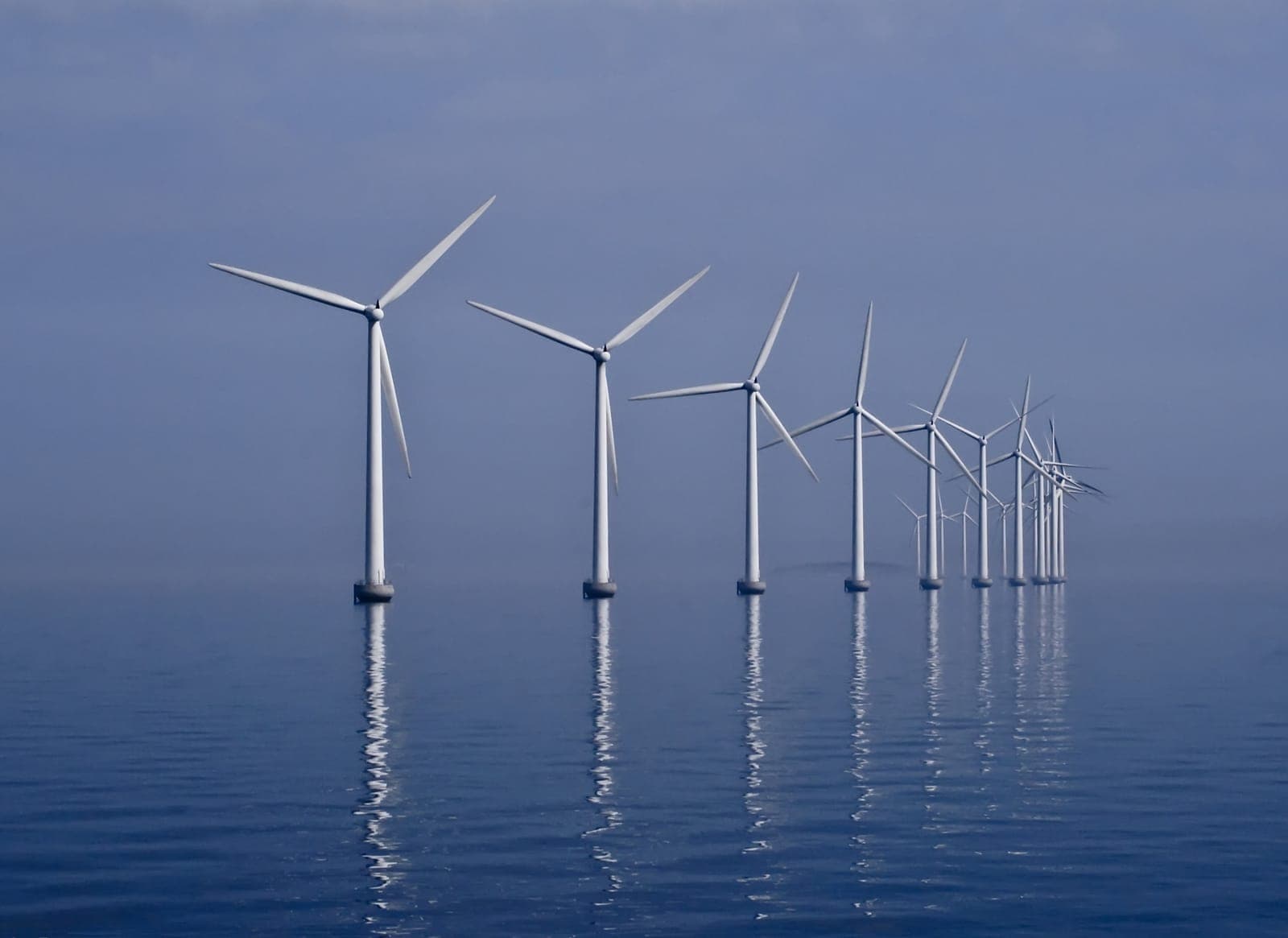
Middelgrunden offshore wind farm in the Øresund
Offshore wind: long-term contracted income, with construction and interest-rate risk

Benefits and risks

What you can gain, and what can go wrong

Returns are never guaranteed. Weigh both columns against your goals, timeline and other holdings.

Potential benefits

  • Long-term contracted income

    Many projects sell power under long contracts, such as UK Contracts for Difference or Gulf power purchase agreements.

  • Structural demand

    Governments across the Gulf, Europe and Asia have targets to add large amounts of renewable capacity.

  • Inflation links

    Some contracts and regulated returns rise with inflation, protecting real income.

  • Diversification

    Infrastructure income can behave differently from company profits and shares.

Key risks

  • Construction risk

    Delays and cost overruns before a project starts generating can erase returns.

  • Policy and subsidy changes

    Governments can change support schemes, tax credits or grid rules during a project’s life.

  • Power prices

    Projects selling at market prices earn less when electricity prices fall.

  • Interest rates

    Higher rates raise financing costs and lower the value investors place on long-term income.

  • Weather and technology

    Less wind or sun than forecast, and equipment failures, reduce output.

  • Illiquidity

    Direct stakes and private funds can be very hard to sell before the end of their term.

Countries and markets

Government programmes and markets

Each market’s target or pipeline, how private investors take part, who buys the power, and any residence route linked to investment.

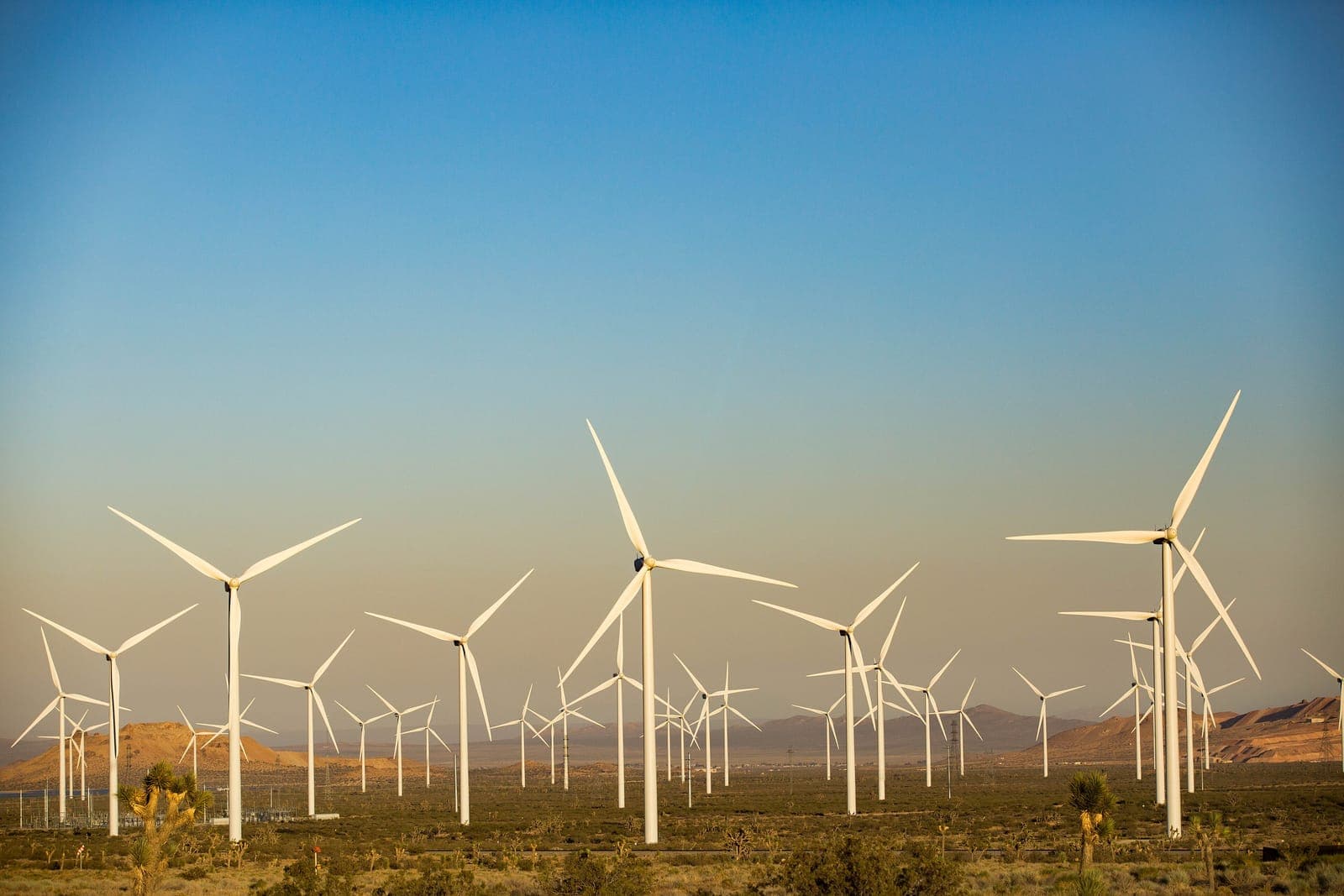
  • Wind turbines in a desert landscape

    Saudi Arabia

    National Renewable Energy Program

    Large solar and wind tenders under Vision 2030

    Target or pipeline
    Aims for about half of electricity from renewables by 2030
    How investors take part
    Developers bid in programme rounds; others invest through listed utilities and funds
    Buyer of power
    Saudi Power Procurement Company (single buyer)
    Residence link
    None specific to energy; Premium Residency for investors from SAR 7,000,000
    • Projects are tendered as independent power producers with long-term purchase agreements

    Bidding is dominated by large developers; smaller investors usually take part through listed companies or funds.

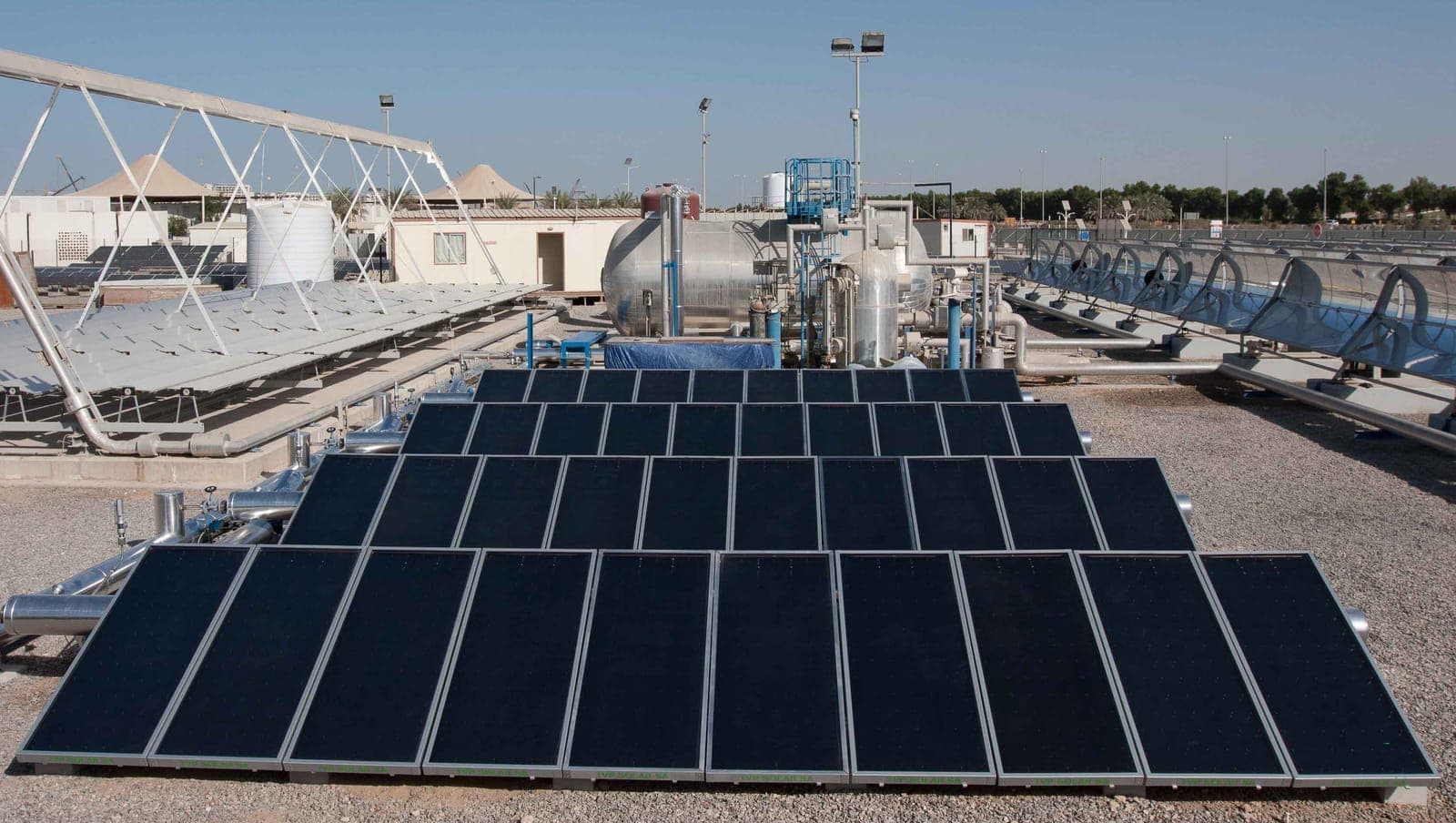
  • Solar thermal collectors at Masdar City, Abu Dhabi

    United Arab Emirates

    UAE Energy Strategy 2050

    One of the world’s largest single-site solar parks

    Target or pipeline
    Triple renewable capacity to 14 GW by 2030
    How investors take part
    Utility tenders for developers; listed shares and green bonds for others
    Buyer of power
    State utilities, such as DEWA in Dubai
    Residence link
    None specific to energy; Golden residence for qualifying investors
    • DEWA’s Mohammed bin Rashid Al Maktoum Solar Park has reached 3,860 MW and is planned to exceed 8,000 MW by 2030

    Utility tenders go to experienced consortia; most investors take part indirectly.

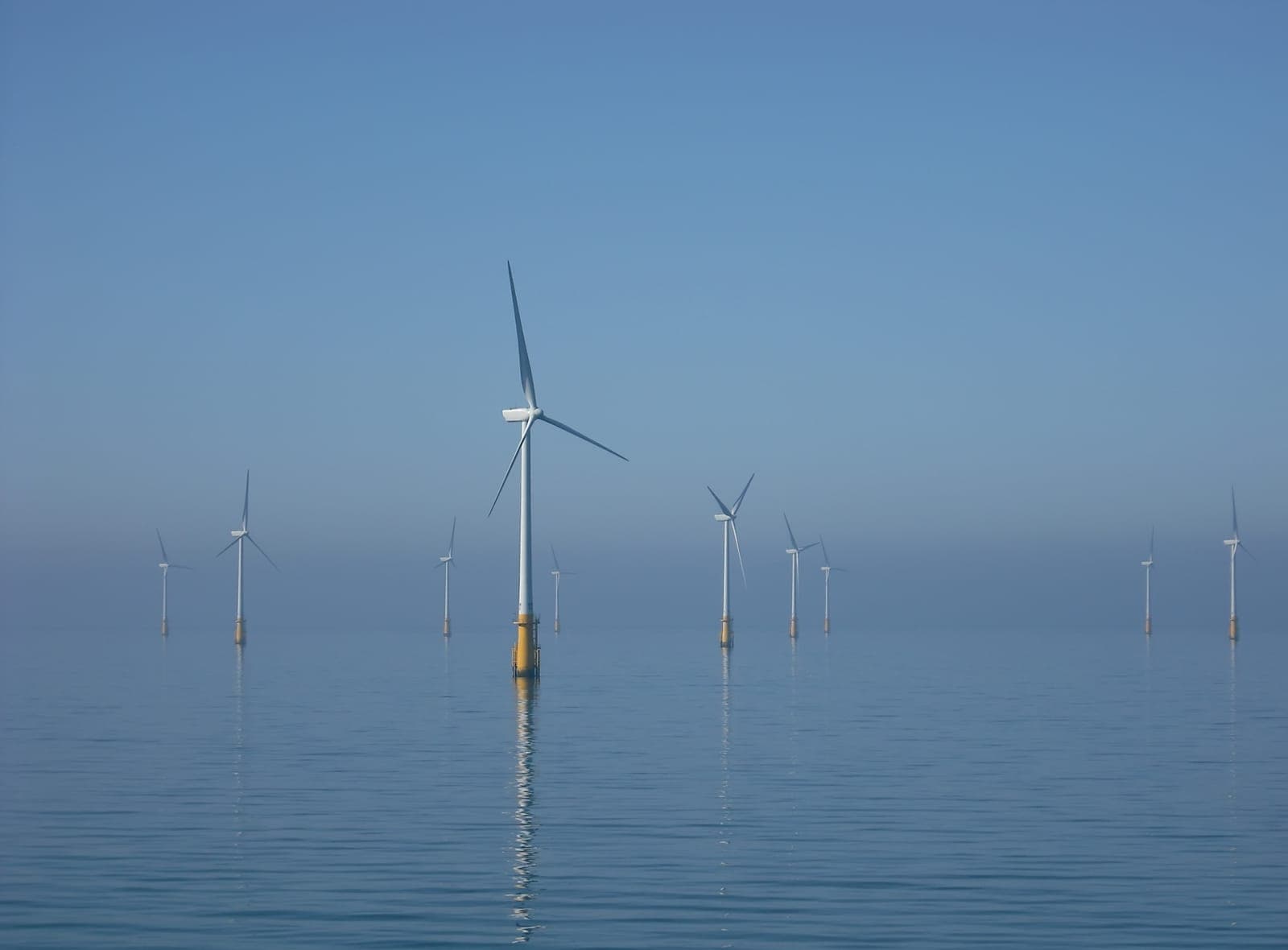
  • Barrow Offshore Wind Farm in the Irish Sea

    United Kingdom

    Contracts for Difference

    Record offshore wind auction in 2026

    Target or pipeline
    Allocation Round 7 (January 2026) awarded about 8.4 GW of offshore wind
    How investors take part
    Listed renewable and infrastructure investment trusts; project finance for institutions
    Buyer of power
    Projects sell power and receive a top-up to a strike price from the Low Carbon Contracts Company
    Residence link
    None
    • Fixed-bottom offshore wind in England and Wales won contracts at £91.20/MWh (2024 prices)

    Listed trusts can trade below the value of their assets when interest rates rise.

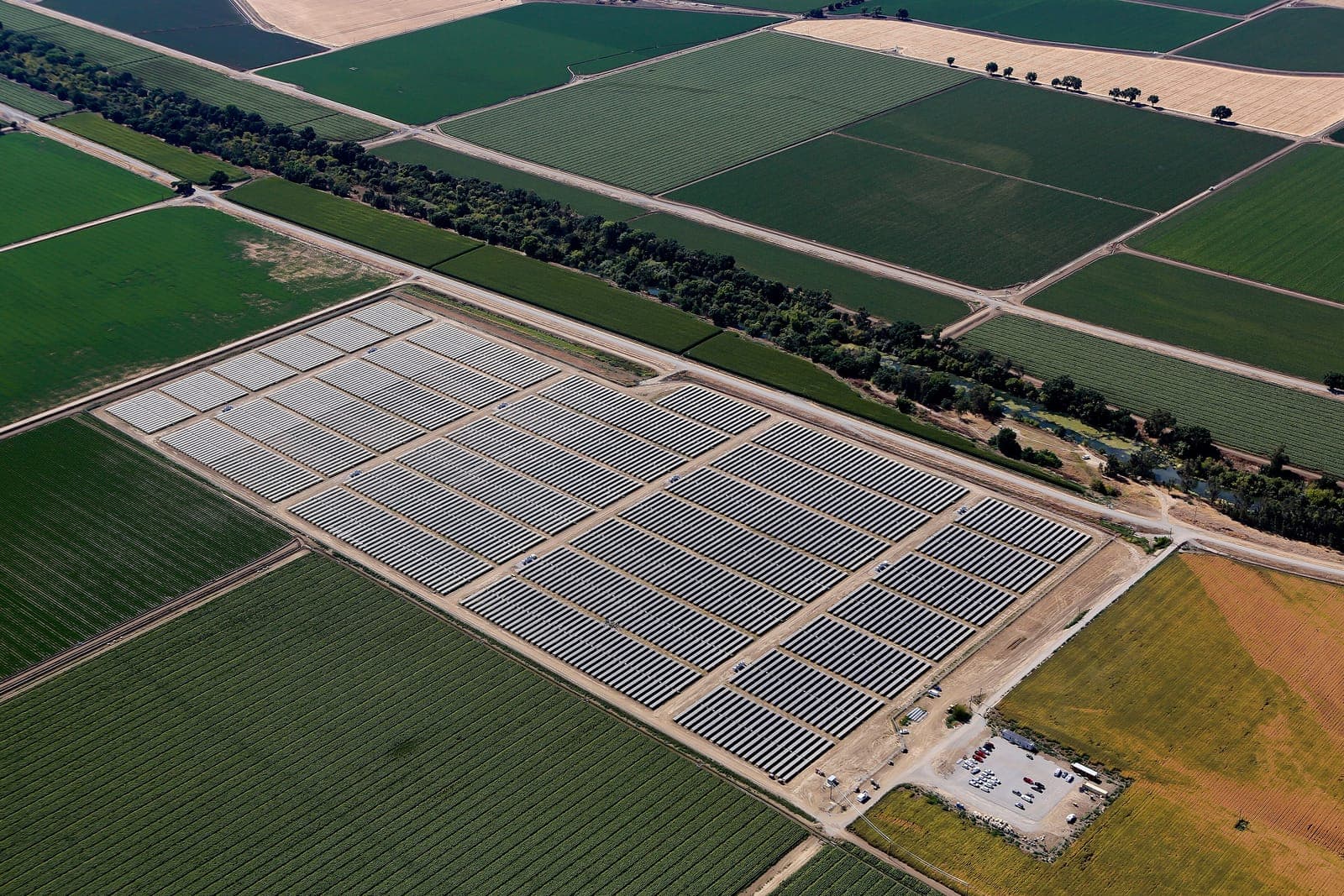
  • A solar farm beside farmland in California

    United States

    US energy and infrastructure

    Infrastructure projects can qualify for a reduced EB-5 investment

    Target or pipeline
    No single federal target; many states set renewable portfolio standards
    How investors take part
    Listed utilities and funds, infrastructure funds and project equity
    Buyer of power
    Utilities and corporate power purchase agreements
    Residence link
    EB-5 green card: US$800,000 in an infrastructure project; 2% of EB-5 visas reserved for infrastructure
    • Federal tax credits for clean energy changed in 2025; check the current rules for any project

    EB-5 investments must be at risk and create 10 full-time jobs; the capital is not guaranteed.

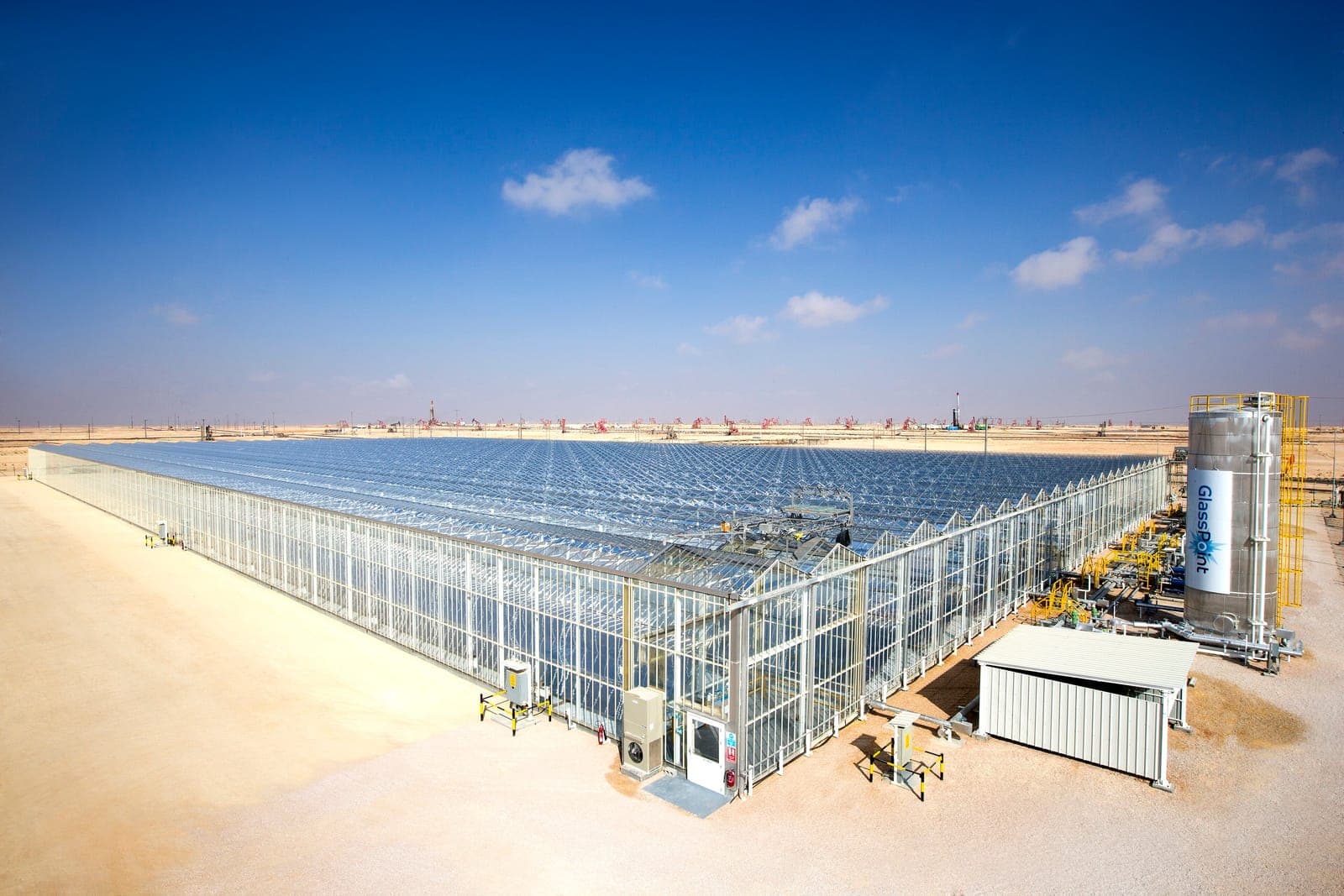
  • A 7 MW solar steam plant at Amal, Oman

    Oman

    Oman solar, wind and hydrogen

    Renewables tenders and green-hydrogen land blocks

    Target or pipeline
    30% of electricity from renewables by 2030
    How investors take part
    Utility-scale tenders; green-hydrogen land blocks allocated by Hydrom
    Buyer of power
    Oman’s state power procurer
    Residence link
    Golden Residency for investors from OMR 200,000
    • Hydrom provides infrastructure and allocates land to hydrogen developers rather than building projects itself

    Green hydrogen is an early-stage industry; project timelines and offtake are uncertain.

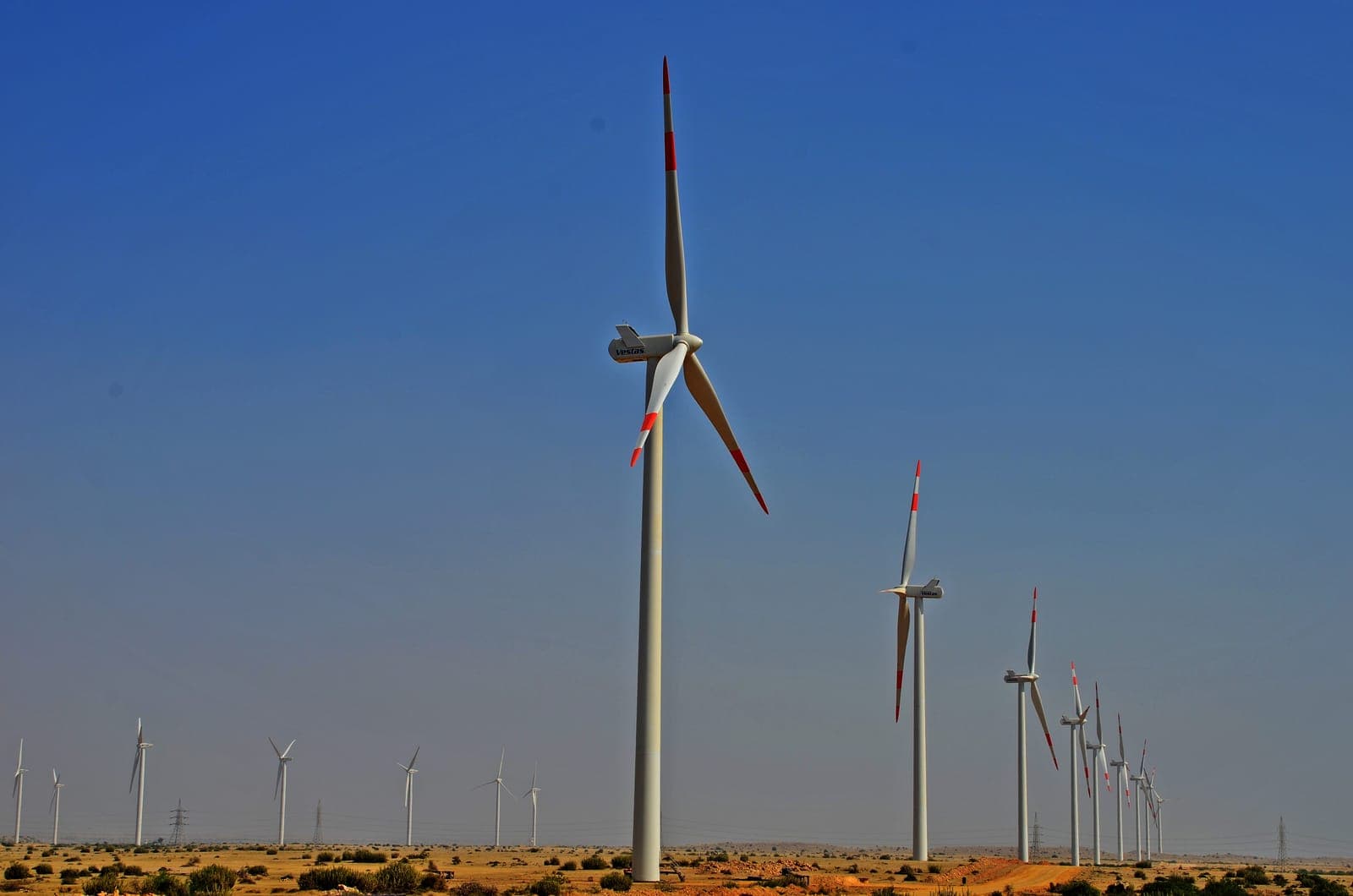
  • Jhimpir Wind Farm, Sindh, Pakistan

    Pakistan

    Pakistan power and renewables

    Renewables named a priority sector for foreign investors

    Target or pipeline
    Renewable energy is a priority sector of the Board of Investment
    How investors take part
    Independent power projects, solar for businesses, and listed power companies on PSX
    Buyer of power
    Central Power Purchasing Agency for grid-connected projects
    Residence link
    Long Term Residency for foreign investors from US$50,000
    • Investment must come through banking channels to be repatriated

    Payment delays in the power sector (circular debt) have affected generators; check the buyer and contract terms.

Compare

Markets side by side

The same facts for every market, from official sources checked 24 October 2026.

Renewable Energy & Infrastructure Advisory: markets compared, verified 24 October 2026
MarketTarget or pipelineHow investors take partBuyer of powerResidence link
Saudi ArabiaNational Renewable Energy ProgramAims for about half of electricity from renewables by 2030Developers bid in programme rounds; others invest through listed utilities and fundsSaudi Power Procurement Company (single buyer)None specific to energy; Premium Residency for investors from SAR 7,000,000
United Arab EmiratesUAE Energy Strategy 2050Triple renewable capacity to 14 GW by 2030Utility tenders for developers; listed shares and green bonds for othersState utilities, such as DEWA in DubaiNone specific to energy; Golden residence for qualifying investors
United KingdomContracts for DifferenceAllocation Round 7 (January 2026) awarded about 8.4 GW of offshore windListed renewable and infrastructure investment trusts; project finance for institutionsProjects sell power and receive a top-up to a strike price from the Low Carbon Contracts CompanyNone
United StatesUS energy and infrastructureNo single federal target; many states set renewable portfolio standardsListed utilities and funds, infrastructure funds and project equityUtilities and corporate power purchase agreementsEB-5 green card: US$800,000 in an infrastructure project; 2% of EB-5 visas reserved for infrastructure
OmanOman solar, wind and hydrogen30% of electricity from renewables by 2030Utility-scale tenders; green-hydrogen land blocks allocated by HydromOman’s state power procurerGolden Residency for investors from OMR 200,000
PakistanPakistan power and renewablesRenewable energy is a priority sector of the Board of InvestmentIndependent power projects, solar for businesses, and listed power companies on PSXCentral Power Purchasing Agency for grid-connected projectsLong Term Residency for foreign investors from US$50,000

Costs and taxes

Fees, taxes and ongoing costs

Costs reduce returns year after year. Tax depends on where you live as well as where you invest: confirm your position with a qualified tax adviser.

  • Fund and trust fees

    Listed trusts and private funds charge management fees; private funds may also take performance fees.

  • Development costs

    Direct projects need land, permits, grid connection, studies and legal work before construction.

  • Financing costs

    Most projects borrow heavily; interest costs depend on rates when the debt is fixed.

  • Operation and maintenance

    Turbines and panels need servicing, insurance and eventually replacement or decommissioning.

  • Taxes and incentives

    Tax credits, accelerated depreciation or exemptions can be large, and can change with policy.

  • Currency

    Projects earning in local currency expose foreign investors to exchange rates, except where currencies are pegged.

Process

How to get started

Is it right for you?

  • Long-term investors seeking contracted income
  • Those who want exposure to the energy transition
  • Investors comfortable with policy and project risk
  • Anyone who needs quick access to their money in direct projects
  • Investors expecting returns free of policy risk
  1. 1

    Choose your level

    Listed funds and green bonds for liquidity, private funds for diversified exposure, or direct projects for control.

  2. 2

    Study the programme

    Understand the market’s support scheme, offtake contracts and who buys the power.

  3. 3

    Assess the counterparty

    Check the creditworthiness of the power buyer and any government guarantees.

  4. 4

    Technical and legal diligence

    Resource studies, equipment, permits, grid access and contracts reviewed by specialists.

  5. 5

    Structure the investment

    Decide the holding vehicle, financing and currency, and how income will be repatriated.

  6. 6

    Monitor performance

    Track generation against forecasts, contract changes and policy developments.

FAQs

Frequently asked questions

How do renewable energy projects make money?

Mostly by selling electricity, often under long-term contracts with a utility, a state buyer or a company. Some markets, like the UK, pay a top-up to an agreed strike price, while others sell at market prices or receive availability payments for infrastructure.

Can individuals invest in solar and wind projects?

Usually indirectly, through listed investment trusts, utilities, green bonds and funds. Direct stakes in utility-scale projects are mainly for large developers and institutions.

What is the biggest risk?

It depends on the stage. Before operation, construction delays and cost overruns. After, lower output, falling power prices, policy changes and higher interest rates.

Does investing in energy give residence?

Not specifically. General investor routes can apply: the US EB-5 programme reserves visas for infrastructure projects at the reduced US$800,000 minimum, and Pakistan’s Long Term Residency names renewable energy as a priority sector.

Does Bee Haven arrange energy investments?

No. We provide independent guidance on how the sector works, programmes, risks and residence routes, and help you prepare questions for licensed fund managers, developers and advisers.

Consultation

Talk it through with an adviser

We help you understand the options, costs and risks, compare markets, and prepare the questions for licensed providers in each country. We do not sell investment products.

Photo credits

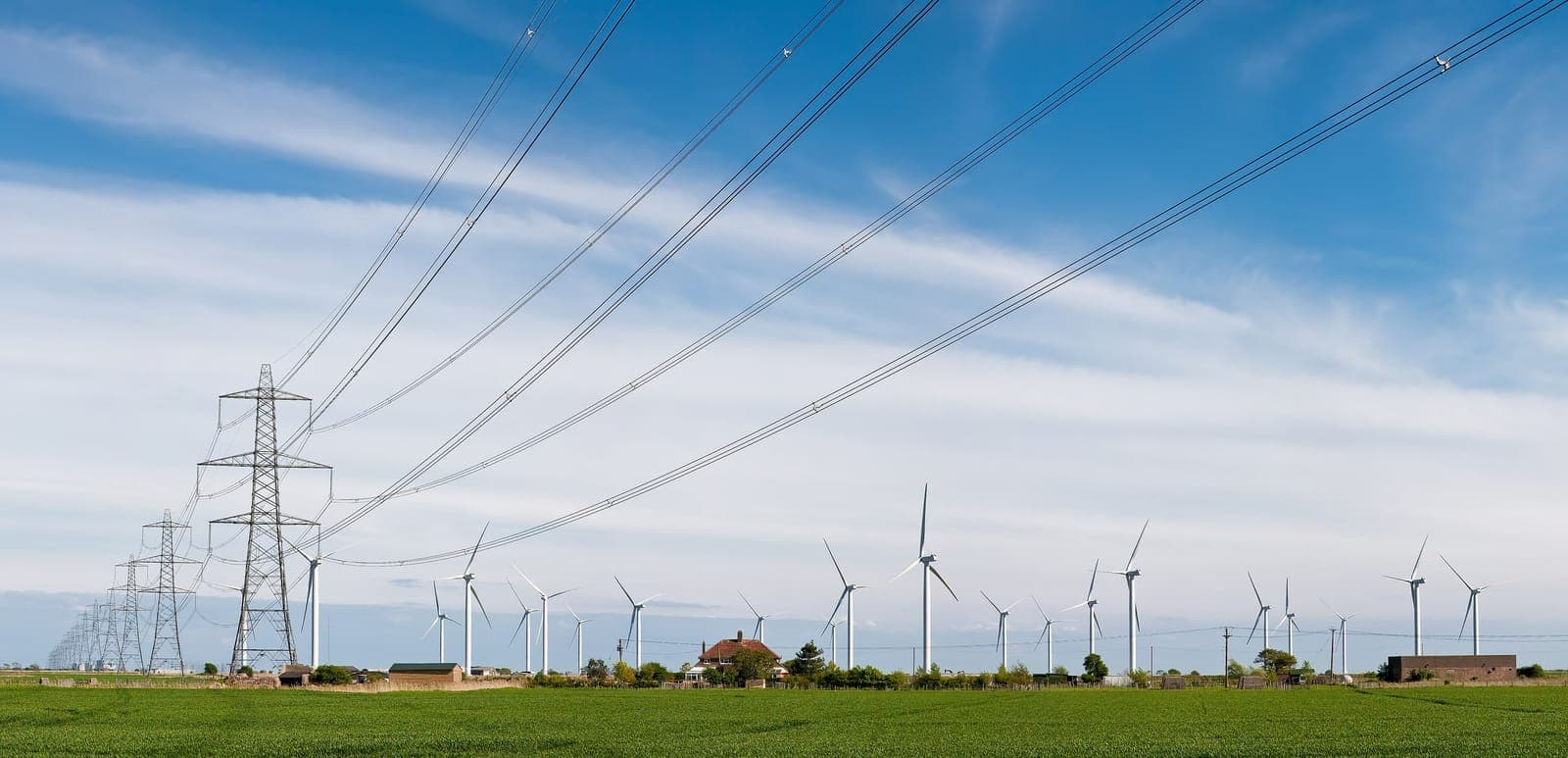
A windfarm and electricity pylons/power lines near Rye, East: Diliff, CC BY-SA 3.0; Middelgrunden offshore wind farm (40 MW) observed in Øresund: Photo by Kim Hansen. Postprocessing (crop, rotation, color adjustment, dust spot removal and noise reduction) by Richard, CC BY-SA 3.0; Offshore wind turbines at Barrow Offshore Wind Farm off Waln: Original: Andy Dingley; Edit: Muhammad, CC BY-SA 3.0; Solar farm at the University of California, Davis. Putah Cre: UC Davis College of Engineering, CC BY 2.0; A 7MW enhanced oil recovery site in Amal, Oman developed by : GlassPoint Solar, CC BY-SA 3.0; Jhimpir Wind Farm, in Thatta District, Sindh, Pakistan.: Muzaffar Bukhari from Islamabad, Pakistan, CC BY-SA 2.0; Wind Turbines Mojave Desert California: Anthony Quintano from Mount Laurel, United States, CC BY 2.0; An array of MT-Power evacuated flat plate collectors at Masd: TVP SOLAR SA, CC BY-SA 4.0. Other photos public domain (CC0), Wikimedia Commons.