



Bee Haven International

Startups & venture capital

Startup & Venture Capital Advisory

Investing in early-stage companies as an angel or through venture funds, and founding a startup abroad: funding stages, equity and dilution, exits, tax incentives, and the startup and investor visas that several countries offer.

Risk
Very high: many startups fail and investors lose their stake
Horizon
Long: often 7–10 years to an exit
Liquidity
Very low until a sale or listing
Upside
A few successes can return many times the investment

How it works

Ways to invest

The main ways investors get exposure to this asset class, from the simplest to the most hands-on.

  • Angel investing

    Investing your own money directly in early startups, often alongside others. Small cheques, high risk, and you need to judge founders and markets.

  • Syndicates and crowdfunding

    Joining a lead investor’s deal or a regulated crowdfunding platform. Lower minimums, but check the platform’s licence and fees.

  • Venture capital funds

    A professional manager builds a portfolio of startups. Usually for experienced investors, with high minimums and money locked for about ten years.

  • Founding a startup abroad

    Building your own company in a new market, often through a startup visa that requires an endorsing or approving body.

  • Corporate and strategic stakes

    A business taking a stake in startups related to its own market, for both return and strategic insight.

  • Startup investor visas

    Greece, Italy and others give residence to investors who put a set amount into qualifying innovative startups.

Benefits and risks

What you can gain, and what can go wrong

Returns are never guaranteed. Weigh both columns against your goals, timeline and other holdings.

Potential benefits

  • Outsized returns from winners

    One successful company can return many times the money invested and cover losses on others.

  • Early access to innovation

    Investors back new technologies and business models before they reach public markets.

  • Tax reliefs in some countries

    The UK’s SEIS and EIS give income tax relief and capital gains exemptions to qualifying investors.

  • Residence routes

    Startup and investor visas in several countries link founding or funding a startup to residence.

Key risks

  • Most startups fail

    Expect to lose all of your money on many individual investments; only invest what you can afford to lose.

  • Dilution

    Each new funding round issues shares, reducing your percentage unless you invest again.

  • Illiquidity

    There is usually no way to sell shares until the company is sold or lists, which can take a decade.

  • Valuation risk

    Early valuations are estimates; later rounds can be priced lower, cutting the value of your stake.

  • Limited information

    Private companies publish little, and investor rights depend on the shareholder agreement.

  • Visa conditions

    Startup visas depend on the business progressing; renewal can be refused if milestones are missed.

Countries and markets

Startup hubs with founder and investor routes

What each country offers founders and investors, the minimum, and what the route leads to. Open a country for the full programme guide.

  • Here East innovation campus, Queen Elizabeth Olympic Park, London

    United Kingdom

    London and the UK

    Generous tax reliefs for startup investors

    For founders
    Innovator Founder visa for an endorsed innovative, viable and scalable business
    For investors
    SEIS: 50% income tax relief on up to £200,000 a year; EIS: 30% on up to £1m (£2m for knowledge-intensive companies)
    Minimum
    No fixed minimum for the Innovator Founder visa
    Leads to
    Settlement possible after 3 years (Innovator Founder)
    • SEIS and EIS shares held for at least three years can be free of Capital Gains Tax

    SEIS and EIS reliefs only help investors who pay UK tax, and the company must keep meeting the scheme rules.


  • The Googleplex, Mountain View, California

    United States

    US startup ecosystem

    The largest venture capital market

    For founders
    International Entrepreneur Parole for founders of high-growth startups
    For investors
    Direct and fund investment open to foreign investors; EB-5 is for job-creating projects
    Minimum
    US$311,071 raised from qualified US investors, or US$124,429 in government grants
    Leads to
    Parole (temporary permission to stay); no direct green card
    • The founder must own at least 10% and have a central role in a startup formed within five years

    Parole is discretionary and temporary; plan a separate route if you want to stay permanently.

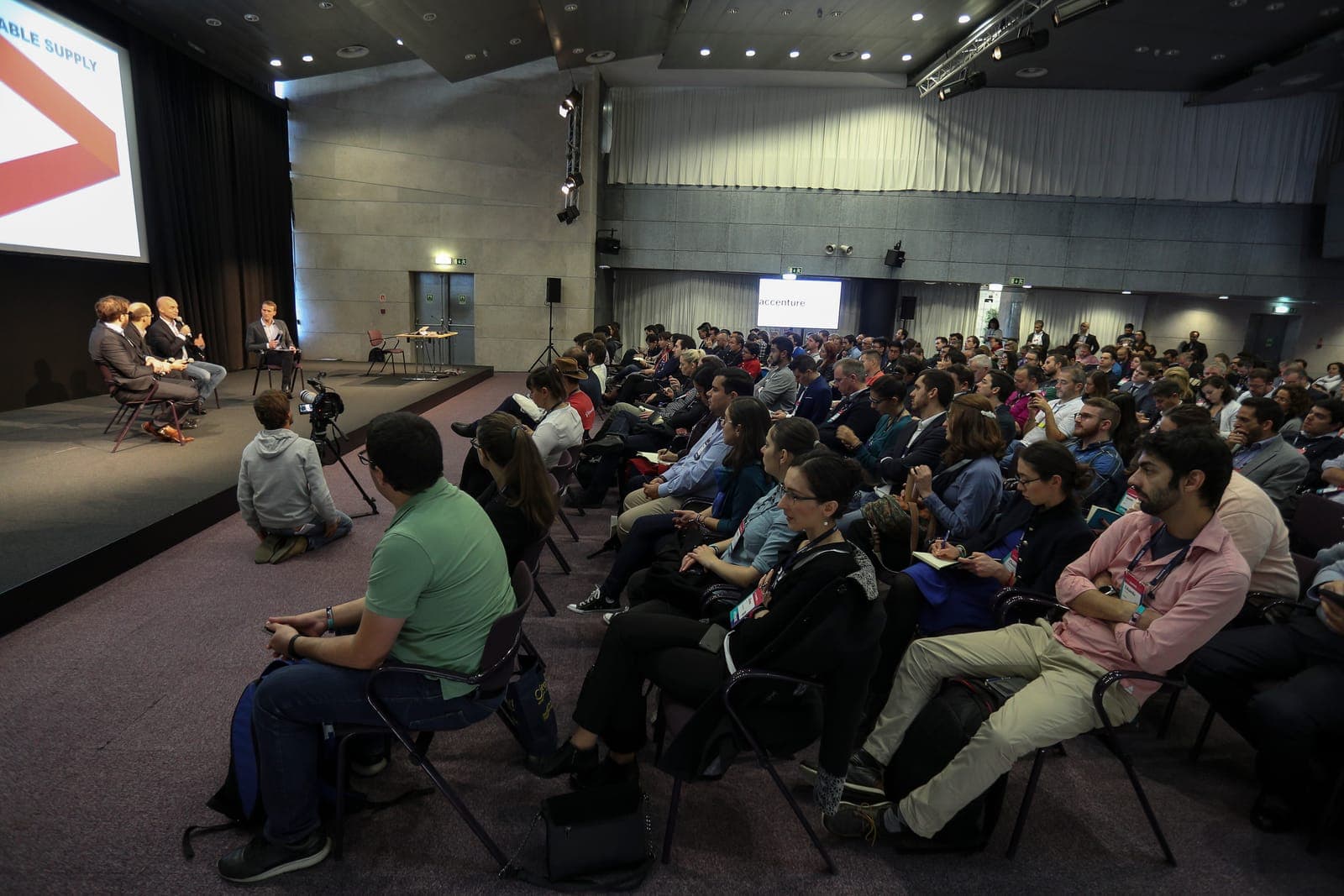
  • A workshop at Web Summit, Lisbon

    Portugal

    Lisbon and Porto

    A startup visa for founders and venture funds for investors

    For founders
    Startup Visa with a certified incubator, accepted by IAPMEI
    For investors
    Golden Visa with €500,000 in venture-capital or investment funds (not real estate)
    Minimum
    No fixed minimum for the Startup Visa; €500,000 for the Golden Visa fund route
    Leads to
    Permanent residence after 5 years; citizenship after 10 years
    • IAPMEI looks for potential to create qualified jobs and reach €325,000 in turnover or assets within five years

    Fund units for the Golden Visa are locked for at least five years and can lose value.

  • Technopolis, Athens

    Greece

    Greek startups

    An EU residence permit for investing in registered startups

    For founders
    Startups registered with Elevate Greece, the national startup register
    For investors
    Golden Visa for investing in Elevate Greece startups
    Minimum
    €250,000
    Leads to
    5-year renewable residence (not citizenship)
    • The Ministry of Development gives an opinion on the investment before the permit

    Conditions such as limits on the stake and job creation apply; confirm them with a lawyer before investing.

  • Politecnico di Milano Bovisa campus, Milan

    Italy

    Italian innovative startups

    Visas for both startup founders and startup investors

    For founders
    Italia Startup Visa, approved by a ministry committee
    For investors
    Investor Visa with €250,000 in an innovative startup, kept for two years
    Minimum
    €50,000 available for the startup (founders); €250,000 (investors)
    Leads to
    EU long-term residence after 5 years; citizenship after 10
    • The startup must be in the special section of the Italian Business Register for innovative startups

    The company must keep its innovative-startup status, which is limited to its first years.

  • King Abdullah University of Science and Technology (KAUST), Thuwal

    Saudi Arabia

    Saudi startups

    Premium Residency for venture-backed founders

    For founders
    Premium Residency for Entrepreneurs, with a MISA licence
    For investors
    Funding must come from accredited investment entities
    Minimum
    SAR 400,000 raised (Category 1); SAR 15 million (Category 2)
    Leads to
    5-year residence, or conditional permanent residence (Category 2)
    • The founder must hold at least 20% (Category 1) or 10% (Category 2) of the company

    Category 2 requires 10 employees in Saudi Arabia in the first year and 10 more in the second.

Compare

Markets side by side

The same facts for every market, from official sources checked 24 October 2026.

Startup & Venture Capital Advisory: markets compared, verified 24 October 2026
MarketFor foundersFor investorsMinimumLeads to
United KingdomLondon and the UKInnovator Founder visa for an endorsed innovative, viable and scalable businessSEIS: 50% income tax relief on up to £200,000 a year; EIS: 30% on up to £1m (£2m for knowledge-intensive companies)No fixed minimum for the Innovator Founder visaSettlement possible after 3 years (Innovator Founder)
United StatesUS startup ecosystemInternational Entrepreneur Parole for founders of high-growth startupsDirect and fund investment open to foreign investors; EB-5 is for job-creating projectsUS$311,071 raised from qualified US investors, or US$124,429 in government grantsParole (temporary permission to stay); no direct green card
PortugalLisbon and PortoStartup Visa with a certified incubator, accepted by IAPMEIGolden Visa with €500,000 in venture-capital or investment funds (not real estate)No fixed minimum for the Startup Visa; €500,000 for the Golden Visa fund routePermanent residence after 5 years; citizenship after 10 years
GreeceGreek startupsStartups registered with Elevate Greece, the national startup registerGolden Visa for investing in Elevate Greece startups€250,0005-year renewable residence (not citizenship)
ItalyItalian innovative startupsItalia Startup Visa, approved by a ministry committeeInvestor Visa with €250,000 in an innovative startup, kept for two years€50,000 available for the startup (founders); €250,000 (investors)EU long-term residence after 5 years; citizenship after 10
Saudi ArabiaSaudi startupsPremium Residency for Entrepreneurs, with a MISA licenceFunding must come from accredited investment entitiesSAR 400,000 raised (Category 1); SAR 15 million (Category 2)5-year residence, or conditional permanent residence (Category 2)

Residency and citizenship

Can this investment lead to residence?

Yes. Startup visas for founders and investor visas for startup investment are among the most common business routes. Most need approval from a government body or endorsing organisation, and many are temporary at first.

Costs and taxes

Fees, taxes and ongoing costs

Costs reduce returns year after year. Tax depends on where you live as well as where you invest: confirm your position with a qualified tax adviser.

  • Investment amount

    Angel cheques can be small, but venture funds and investor visas often set high minimums (for example €250,000 in Greece and Italy).

  • Legal costs

    Shareholder agreements, subscription documents and due diligence need specialist lawyers.

  • Fund fees

    Venture funds typically charge an annual management fee and take a share of profits (carried interest).

  • Platform fees

    Crowdfunding and syndicate platforms charge fees on investment or on returns.

  • Visa and endorsement fees

    Startup visas add endorsement, application and health surcharge fees, plus maintenance funds.

  • Tax

    Gains on exit are taxed where you are resident, with reliefs such as SEIS and EIS for UK taxpayers.

Process

How to get started

Is it right for you?

  • Experienced investors who can lose their entire stake
  • Founders ready to build a company in a new country
  • Investors who can wait a decade for returns
  • Anyone needing income or access to their money
  • Investors putting a large share of their wealth into one startup
  1. 1

    Set the strategy

    Decide whether you are founding, angel investing or investing through funds, and how much you can afford to lose.

  2. 2

    Build deal flow

    Join angel networks, syndicates or regulated platforms, or select a venture fund manager.

  3. 3

    Due diligence

    Assess the founders, market, product, competition, cap table and legal documents.

  4. 4

    Negotiate terms

    Valuation, investment instrument, investor rights, pre-emption on future rounds and exit provisions.

  5. 5

    Invest and support

    Complete the investment, then help where you can and track the company’s progress.

  6. 6

    Plan the exit and visas

    Expect exits through a sale or listing years later; for visas, keep the evidence the authority needs for renewal.

FAQs

Frequently asked questions

How much should I put into startups?

Only money you can afford to lose entirely, and usually a small share of your wealth. Experienced angels spread investments across many companies because most fail and a few successes drive returns.

What is dilution?

When a startup raises more money it issues new shares, so each existing shareholder owns a smaller percentage. Your stake can still grow in value if the company’s valuation rises faster than it dilutes you.

How do startup investors make money?

Mostly when the company is sold or lists on a stock exchange. Dividends are rare. Exits often take seven to ten years, and many startups never reach one.

What are SEIS and EIS?

UK schemes that give UK taxpayers income tax relief for investing in qualifying young companies: 50% under SEIS on up to £200,000 a year, and 30% under EIS on up to £1 million (£2 million for knowledge-intensive companies). Gains can be free of Capital Gains Tax if shares are held at least three years.

Does Bee Haven invest in startups or raise money?

No. We provide independent guidance on how startup investing works, the risks, tax reliefs and the startup and investor visas available, and help you prepare questions for lawyers, fund managers and endorsing bodies.

Consultation

Talk it through with an adviser

We help you understand the options, costs and risks, compare markets, and prepare the questions for licensed providers in each country. We do not sell investment products.

Photo credits

Intérieur de la Station F, en juin 2022.: Artvill, CC BY-SA 4.0; Googleplex Headquarters, Mountain View, US: Asoundd, CC BY-SA 4.0; LISBON, PORTUGAL - OCTOBER 08: Accenture Strategy Workshop d: Web Summit, CC BY 2.0; Technopolis (Gazi) from Ermou Street on January 3, 2020.: George E. Koronaios, CC BY-SA 4.0; Politecnico di Milano Bovisa, Milan, Italy: Ita140188, CC BY-SA 3.0; Here East, former Olympic Internation Broadcast Centre: Sludge G, CC BY-SA 2.0; KAUST Campus: juhotski, CC BY-SA 3.0. Other photos public domain (CC0), Wikimedia Commons.